
June 23, 2026/
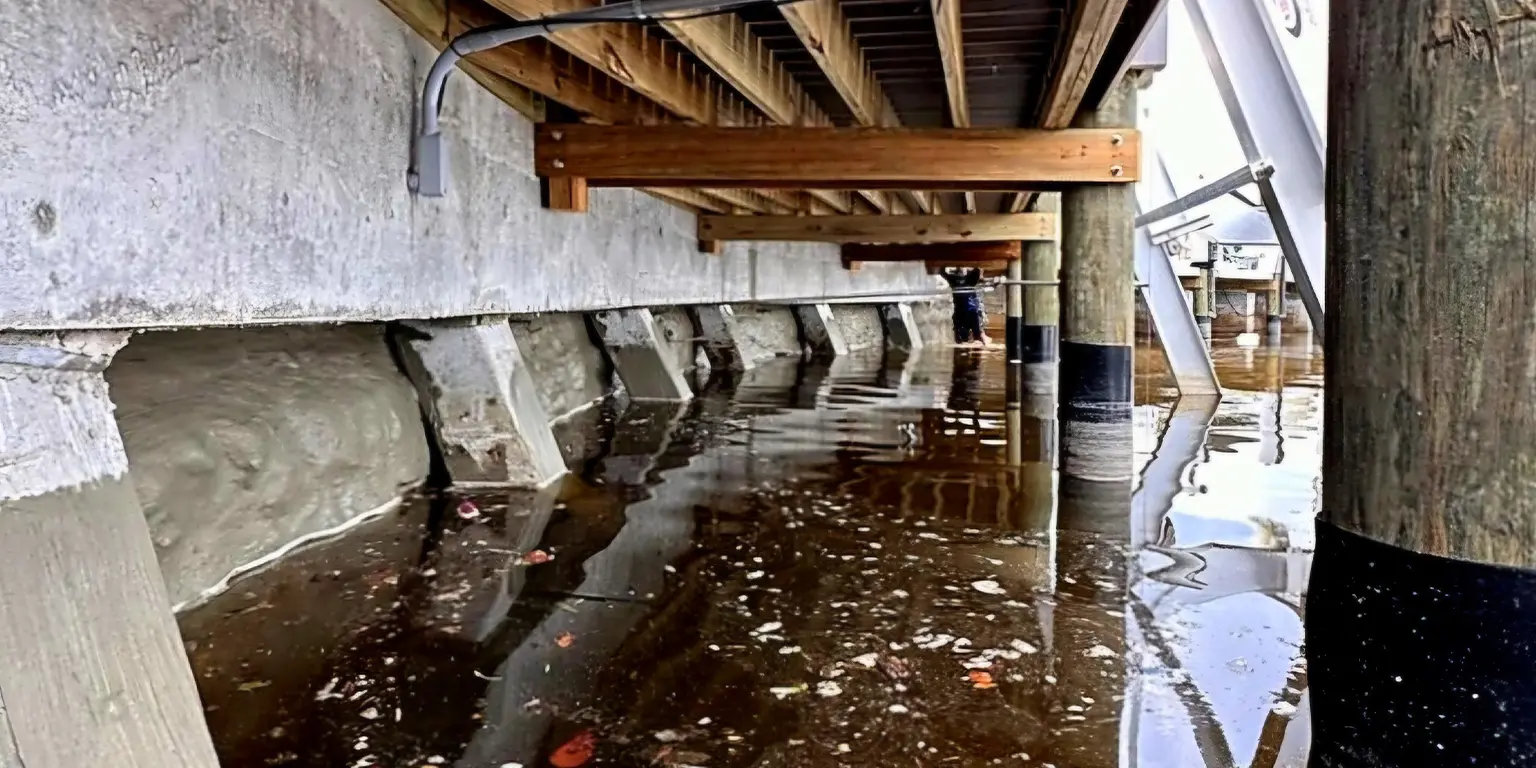
Waterfront properties offer unique views and direct access to the water, but they also face constant exposure to environmental forces...
Over time seawalls and bulkheads require maintenance to address issues like cracking, erosion, and reinforcement corrosion. Properly designed seawalls not only safeguard waterfront properties but also play a vital role in preserving the natural landscape from the effects of rising water levels and climate change. As a long-term investment, seawalls help protect against costly damages, making them an essential component of coastal and waterfront infrastructure.
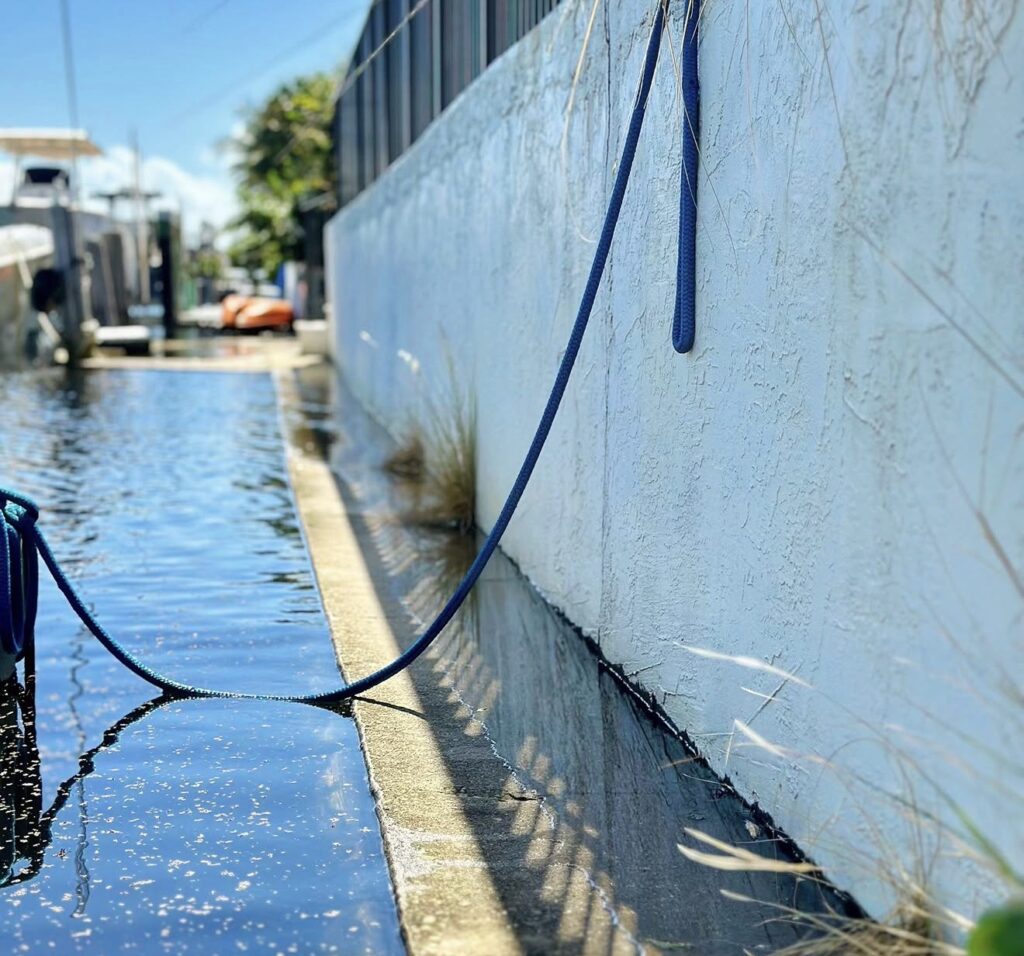
When water levels reach the top of a seawall, the structure faces increased pressure from wave impact and potential overflow. This can lead to accelerated erosion behind the wall, weakening its foundation and stability. Regular monitoring and timely reinforcements are essential to protect the seawall from breaching and ensure shoreline defense.
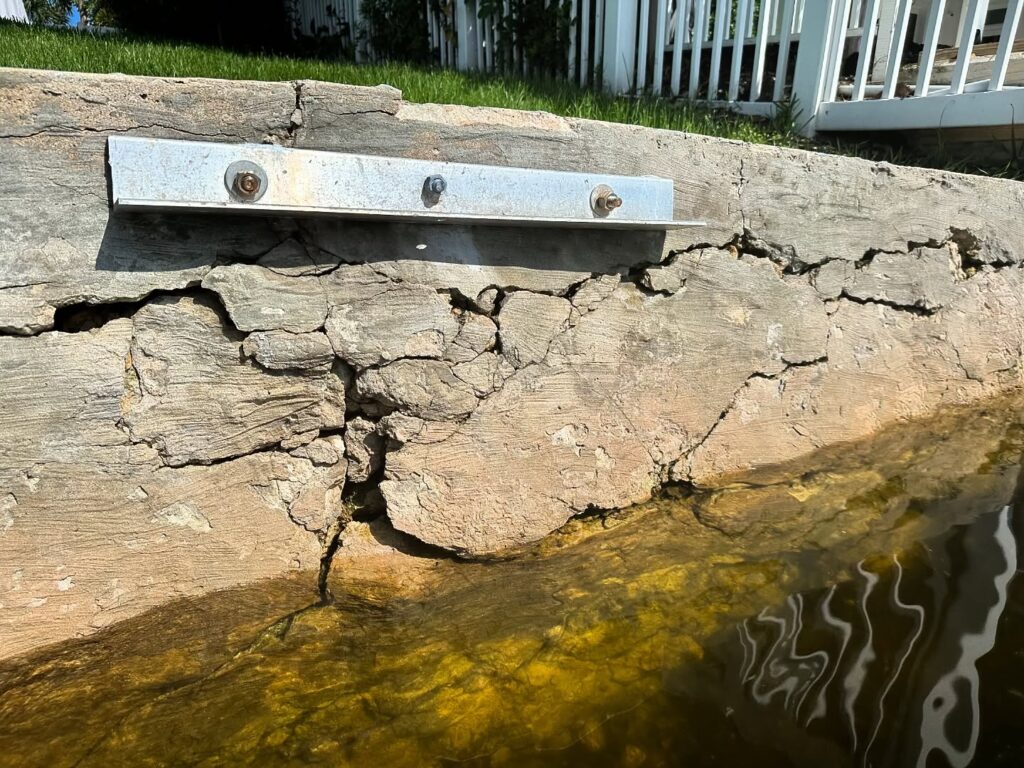
Concrete chipping or breaking, also known as spalling, occurs when surface layers of the concrete deteriorate, often due to freeze-thaw cycles, salt exposure, or structural stress. This damage reduces the seawall’s integrity, making it vulnerable to further erosion and cracking. Prompt repairs can prevent deeper structural issues and prolong durability.
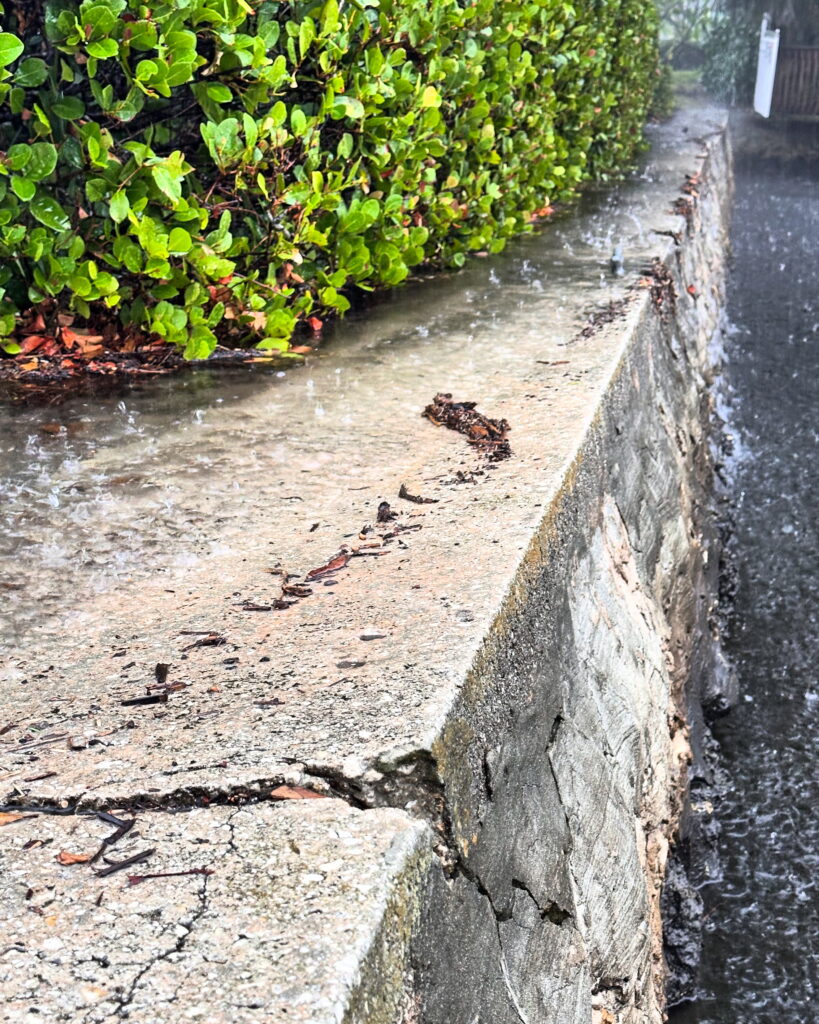
Cracks in seawalls and seawall caps can compromise the structure’s integrity, allowing water to seep through and erode the soil behind the wall. Over time, this weakens the seawall, increasing the risk of collapse or further damage. Early detection and repairs with marine-grade sealants are essential to maintain stability and protection.
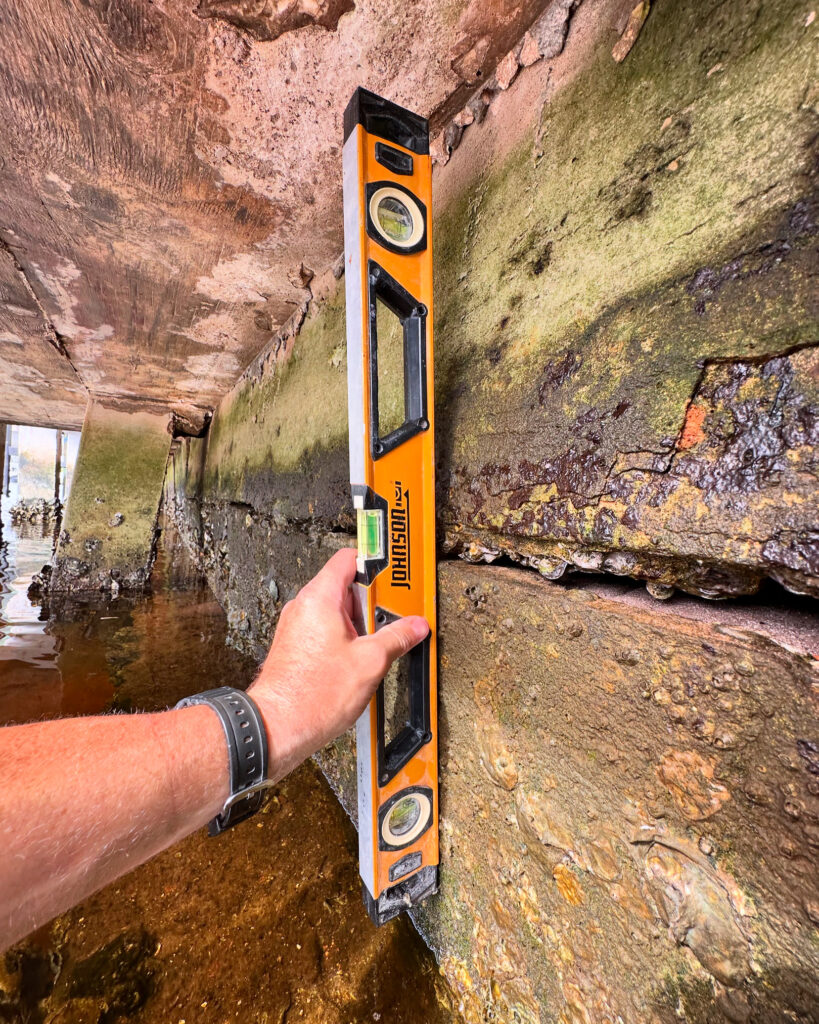
Leaning, bowing, or settling seawalls indicate foundational instability, often caused by soil erosion, water pressure, or insufficient support. These issues can lead to further structural failure if unaddressed. Reinforcing the wall with additional support or underpinning techniques and stabilizing the soil behind it are crucial to restore strength and prevent collapse.
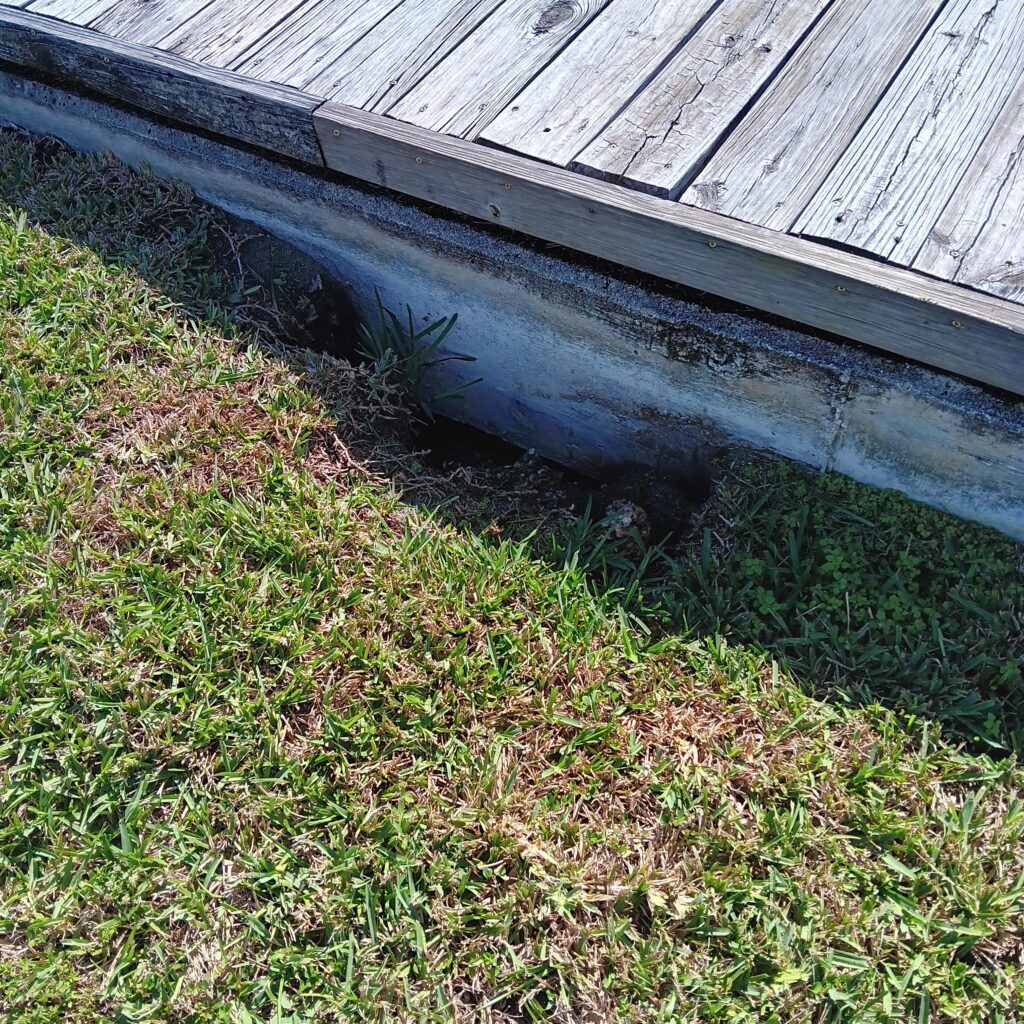
Sinkholes or divots near a seawall often result from soil erosion due to water seeping through cracks or around the wall’s base. These voids compromise the ground’s stability, potentially endangering the seawall’s foundation. Filling sinkholes and addressing drainage issues promptly helps preserve both the seawall’s integrity and surrounding land stability.
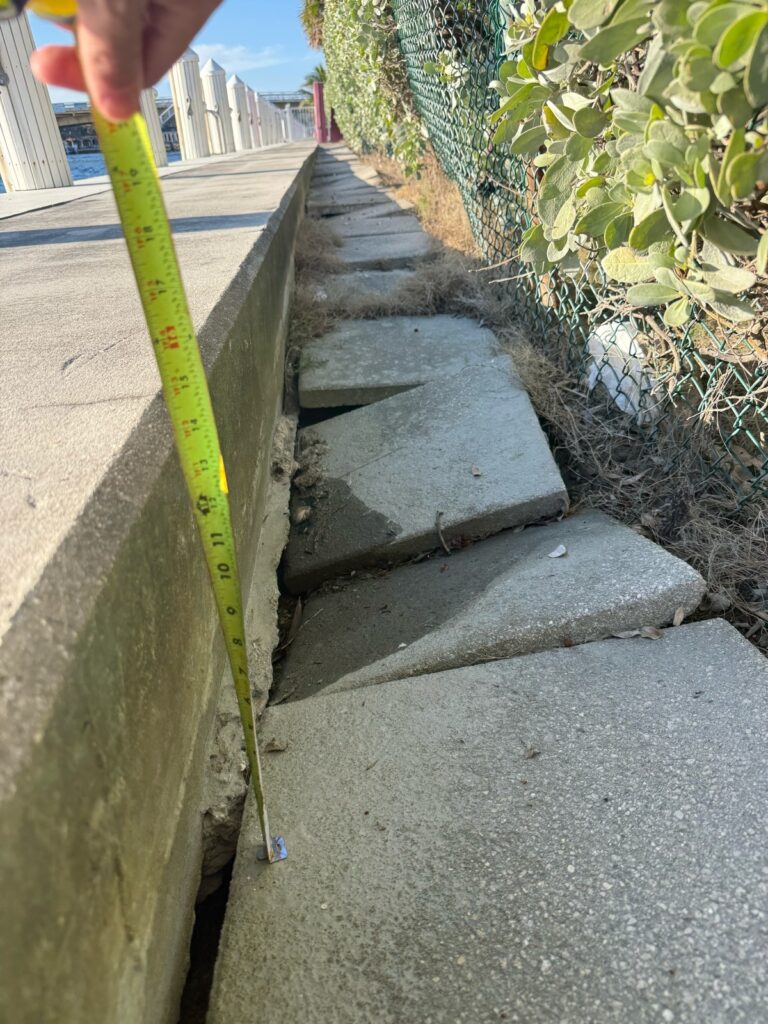
Cracking or shifting in adjacent patios, pavers, and retaining walls often signals movement in the underlying soil, typically due to water intrusion or erosion near a seawall. These shifts can lead to structural instability in outdoor spaces. Prompt repairs, soil stabilization, and effective drainage solutions help maintain surface stability and longevity.
Outdated seawall elevation may fall short of current water levels, leaving structures vulnerable to overtopping during high tides or storms. This can lead to increased erosion, structural strain, and compromised shoreline protection. Raising seawall height to meet modern standards helps safeguard against flooding and adapts to rising sea levels.
Deterioration and decay of seawall materials occur over time due to constant exposure to water, salt, and weather conditions. As materials weaken, cracks, chipping, and structural weaknesses develop. Regular inspections and timely repairs with marine-grade materials can slow decay, extending the seawall’s lifespan and functionality.
Foundation failure in seawalls arises from unstable soils, erosion, or poor initial support, causing the structure to lean, crack, or shift. This instability undermines the seawall’s effectiveness and can lead to collapse. Strengthening the foundation through additional supports or underpinning is essential to restore stability and prevent further issues.
Erosion around seawalls gradually removes the soil needed for support, often due to water seepage or wave impact. This weakens the seawall’s base and surrounding areas, increasing the risk of structural damage. Installing proper drainage systems and reinforcing affected areas can help combat erosion and preserve the seawall’s stability.
Hydrostatic pressure builds up behind a seawall when trapped water has no outlet, adding strain that can cause cracks, bulging, or failure. Installing weep holes or drainage systems relieves this pressure, allowing water to flow safely and reducing stress on the seawall, ultimately enhancing durability.
Poor design and construction practices lead to seawalls that fail to handle local water conditions, soil types, or wave impacts. Without proper materials and engineering, seawalls are more likely to deteriorate or collapse. Ensuring designs are tailored to specific site conditions is crucial for long-lasting protection and structural resilience.
Raising a seawall enhances its ability to protect against rising sea levels and extreme tides, safeguarding adjacent property from flooding. By increasing its height, the seawall becomes better equipped to handle wave action, preventing overtopping and erosion. This proactive measure is crucial for adapting to changing coastal conditions.
Single-component hydrophobic polyurethane foam is a powerful solution for seawall and bulkhead repair that stops water intrusion, stabilizes surrounding soils, and restores structural integrity without major excavation. When injected, the moisture-activated foam expands to fill voids, seal cracks, and bind loose or eroded soils into a strong, water-tight mass. This helps prevent further washout, reduces pressure on the seawall, and extends the life of aging marine structures—quickly, cleanly, and with minimal disruption.
Installing a seawall drain system helps relieve hydrostatic pressure buildup behind the wall by allowing trapped water to escape safely. Drainage systems, such as weep holes, prevent excessive pressure that can lead to cracking or wall failure, ultimately preserving the seawall’s integrity and maintaining soil stability.
Stabilizing seawalls and supporting soils involves reinforcing the base and surrounding soil to prevent shifting or erosion. Techniques include soil compaction, pile reinforcement, and the use of retaining structures. Proper stabilization prevents wall movement, ensuring the seawall’s durability and effectiveness in protecting shorelines over time.
Dock Experts can also handle full seawall or bulkhead replacement when repairs aren’t enough to restore structural integrity. If a wall is severely cracked, leaning, or failing due to years of erosion or outdated construction, our team can design and install a brand-new, long-lasting system built to withstand Florida’s harsh marine environment. We manage the entire process—from engineering and permitting to demolition and installation—using modern materials and proven construction methods that provide stronger shoreline protection, improved property value, and peace of mind for decades to come.
These are just a few of the ways that we help you repair and maintain your seawall. We are THE Dock Experts, the #1 solution for all seawall related issues.
As tides rise and fall, your seawall faces constant pressure from changing water levels, wave action, and erosion. Without proper tidal protection, these natural forces can weaken the structure over time, leading to soil loss, cracks, and eventual failure. Rising sea levels and severe weather conditions only increase the risk, making proactive tidal protection essential for maintaining a strong and long-lasting seawall.
We provide specialized solutions to help property owners safeguard their seawalls against tidal damage. By addressing key vulnerabilities, we ensure your seawall remains stable and effective in preventing erosion and flooding.
Tidal currents and wave action constantly push water against the seawall, creating pressure that can pull soil away from the base. Over time, this erosion leads to voids forming behind the seawall, increasing the risk of sinkholes, settling, and instability. By implementing proper tidal protection measures, such as erosion control barriers and drainage systems, we help prevent soil loss and maintain the integrity of the land behind your seawall.
When water becomes trapped behind a seawall due to inadequate drainage, it increases hydrostatic pressure—one of the leading causes of seawall cracks and structural failure. As tides rise, water seeps into the ground behind the seawall, and without a way to drain properly, it pushes against the structure, causing stress fractures or bowing. Our advanced seawall drainage systems efficiently redirect trapped water, relieving pressure and prolonging the lifespan of your seawall.
A seawall without tidal protection is far more susceptible to premature deterioration. Repeated exposure to rising tides and storm surges accelerates the breakdown of materials, making the structure more vulnerable to cracking, shifting, or collapsing. By reinforcing your seawall with protective solutions such as seawall cap strengthening, anchoring systems, and marine-grade coatings, we ensure it remains strong, stable, and effective for years to come.
Proper drainage is essential for protecting seawalls from the damaging effects of trapped water. Our seawall drainage systems are designed to channel excess water away from the structure, reducing hydrostatic pressure and preventing stress fractures. By integrating weep holes, relief drains, and geo-filters, we ensure water flows freely without weakening the seawall’s foundation.
To withstand the constant force of tidal waves and rising sea levels, your seawall may require additional structural support. We offer reinforcement solutions such as tieback anchors, concrete overlays, and fiber-reinforced polymer coatings to strengthen the wall and extend its lifespan. Whether your seawall needs minor stabilization or a full-scale upgrade, we provide tailored solutions that enhance its durability.
Every waterfront property faces unique challenges based on its location, water conditions, and seawall construction. That’s why we provide customized tidal protection solutions, ensuring that each seawall gets the specific reinforcements it needs. From seawall height adjustments to storm surge barriers, we design and implement strategies that protect against the long-term effects of tidal forces.
Custom-designed seawalls using modern materials and construction methods for maximum strength and longevity.
Complete removal and replacement of failing or outdated seawalls that can no longer be safely repaired.
Structural repairs for cracks, separation, settlement, or deterioration to restore strength and functionality.
Repair or replacement of damaged concrete caps to improve safety, appearance, and structural integrity.
Reinforcement systems that stabilize leaning or shifting seawalls by anchoring them securely into stable soil.
Injection of structural grout or fill material behind the seawall to stop erosion, eliminate sinkholes, and prevent future collapse.
Timber, vinyl, or composite bulkhead systems designed for canals, rivers, and low-to-moderate wave environments.
Modifications to increase wall height for improved flood protection and compliance with changing water levels.
Professional evaluations to identify early warning signs and extend the life of your seawall before costly failure occurs.
Waterfront properties offer unique views and direct access to the water, but they also face constant exposure to environmental forces...
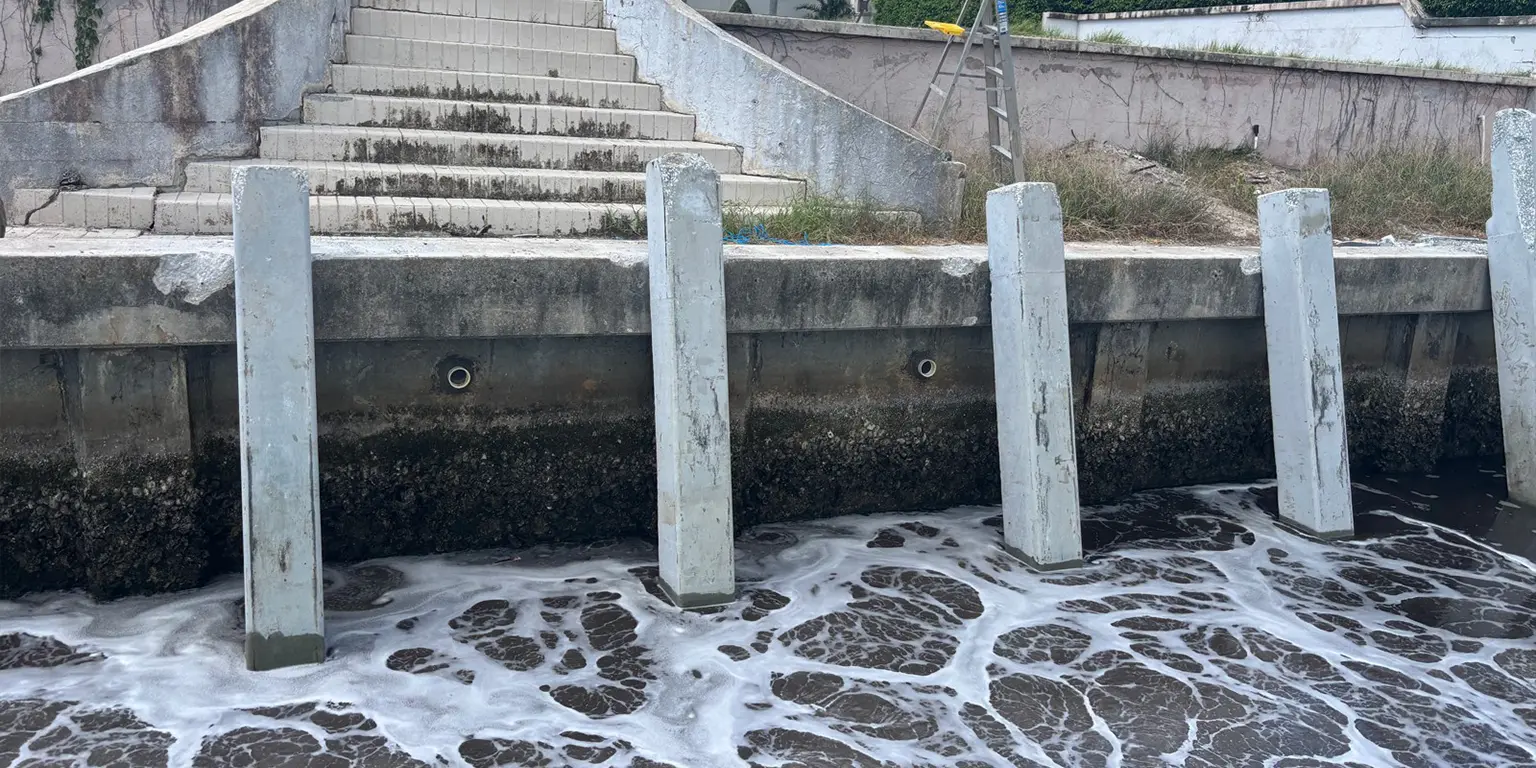
When most property owners look at a seawall, they see a protective barrier standing between their shoreline and the constant...
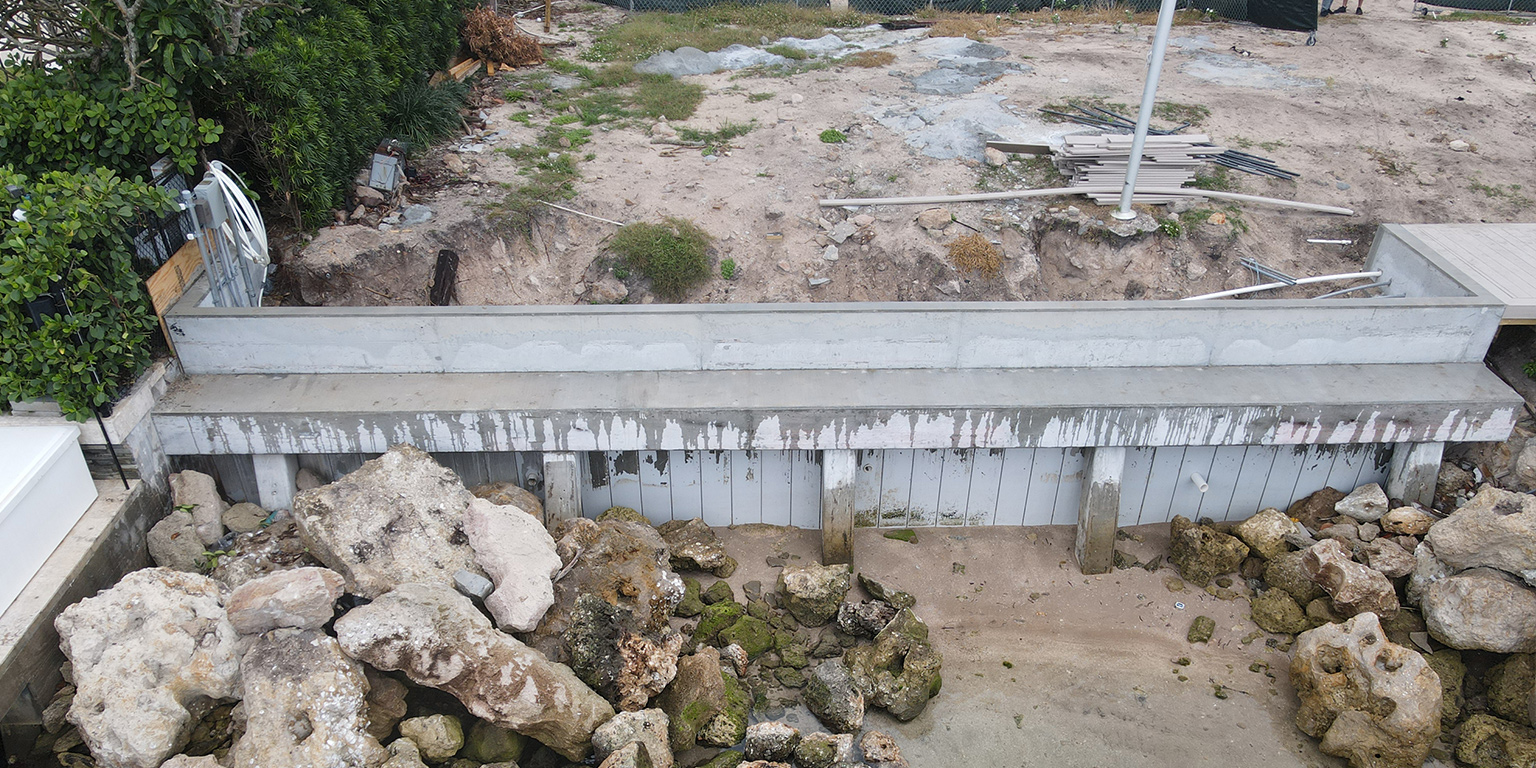
At The Dock Experts, we know many Florida property owners hear the word bulkhead before they fully understand what it...
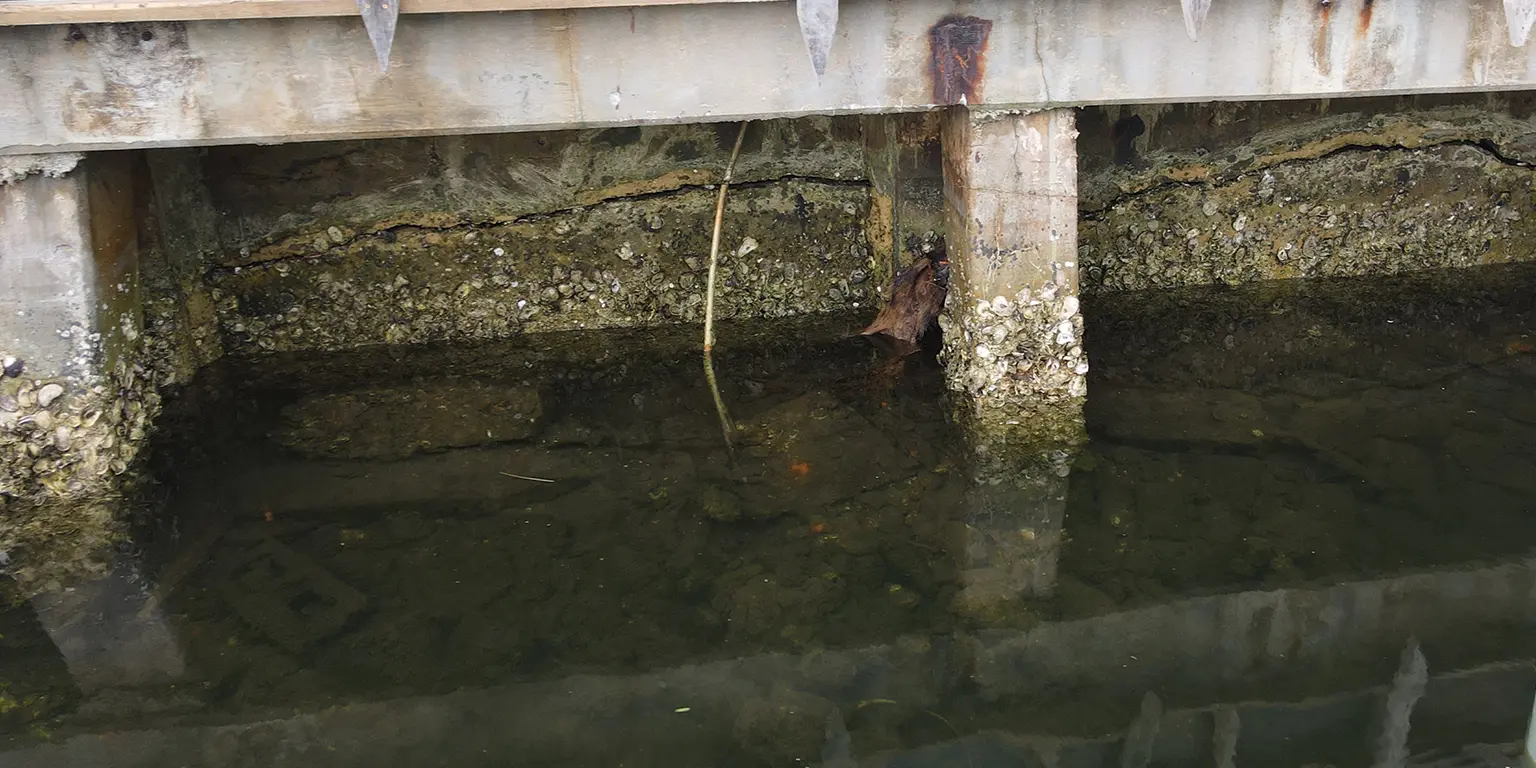
At The Dock Experts, we know how easy it is for small seawall issues to get pushed to the bottom...

In Florida, waterfront properties require more than a beautiful view — they need strong docks and seawalls to stay safe...

Bulkhead repair is one of the most important yet frequently overlooked aspects of waterfront property maintenance. Many property owners assume...

We install three primary types of seawalls commonly used in South Florida: concrete seawalls, vinyl sheet pile seawalls, and steel sheet pile seawalls. Each option offers different benefits depending on your property and water conditions. Vinyl is popular for its durability and low maintenance, concrete provides a strong and long-lasting structural solution, and steel is often used for heavy-duty applications. During your inspection, we’ll recommend the best system based on your shoreline, soil conditions, and long-term goals.
Common signs of seawall failure include cracks, leaning or bowing walls, sinkholes near the edge, soil erosion, and water seeping through the structure. Minor damage can sometimes be repaired, but if the wall is shifting or structurally compromised, replacement is often the safer and more cost-effective long-term solution. A professional inspection can determine the severity and best course of action.
Seawall costs in Florida can vary widely depending on the material, site conditions, access, and permitting requirements. Most residential seawall projects range anywhere from $10,000 to over $100,000+. The best way to get an accurate estimate is through a site inspection, where we evaluate your property and provide a detailed recommendation and cost breakdown.
Yes, most Florida properties require permits for seawall construction. We take care of the entire permitting process to ensure your project meets local and state regulations.
Yes! We offer custom design options, including textured finishes and decorative caps, to blend durability with curb appeal.
We consider soil type, water depth, wave energy, boat traffic, and property layout when recommending the best seawall solution.
Absolutely. A well-built seawall protects your land, reduces insurance risk, and adds significant value and peace of mind to your waterfront property.