
Bulkhead & Seawall Care Protect Your Property
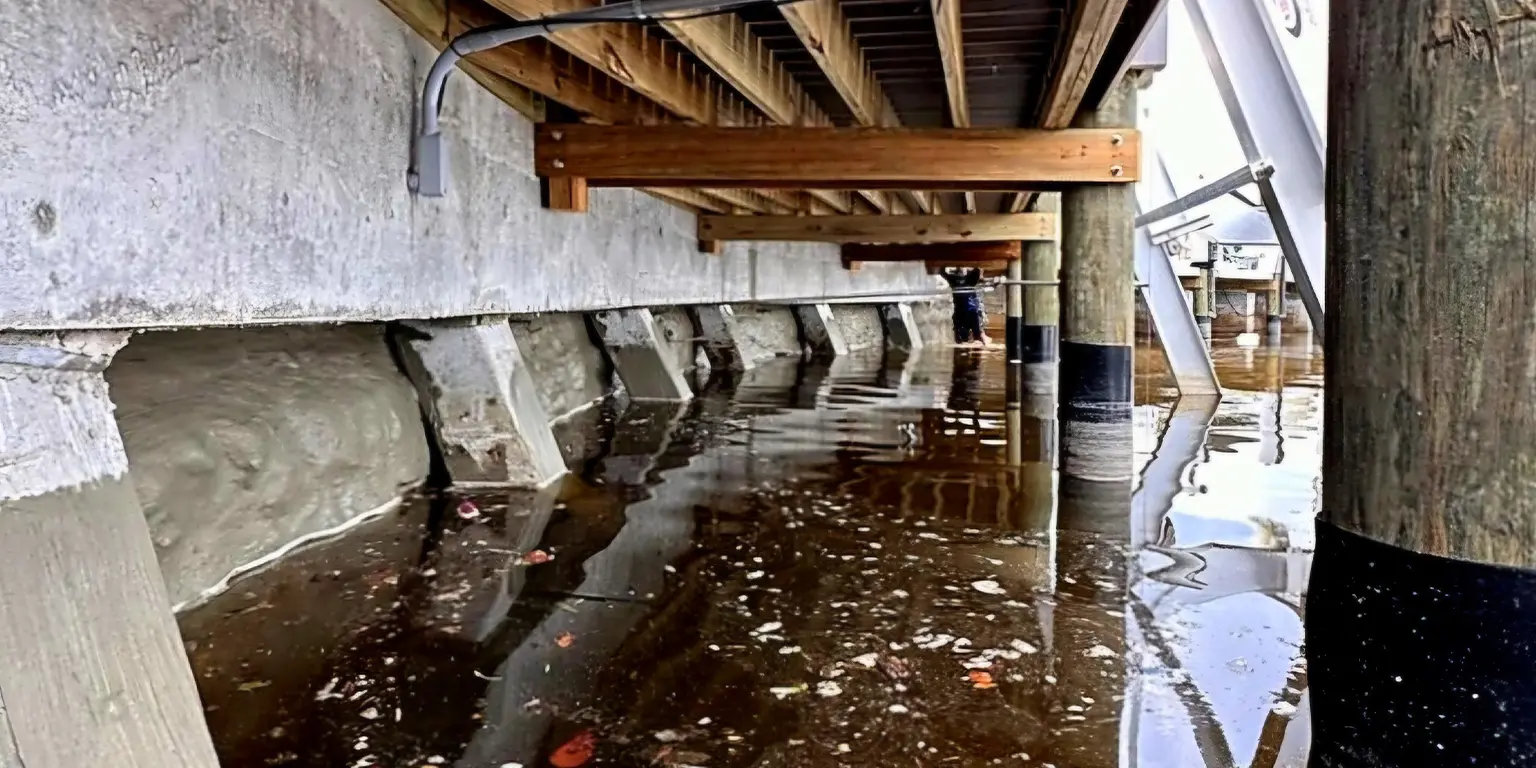
Waterfront properties offer unique views and direct access to the water, but they also face constant exposure to environmental forces that can cause significant damage over time. A properly maintained bulkhead and seawall serves as the first line of defense against erosion, flooding, shoreline instability, and the gradual loss of valuable property. These structures work continuously to absorb wave energy, retain soil, and protect surrounding improvements from water-related damage. Without regular maintenance, even a well-built waterfront protection system can develop problems that become increasingly expensive to address.
Why Bulkhead and Seawall Maintenance Matters
Routine maintenance plays a critical role in preserving the effectiveness of waterfront protection systems. Over time, wave action, changing water levels, and environmental exposure gradually wear down structural components, even when no visible damage appears to exist. Small issues such as minor cracks, drainage concerns, or isolated areas of erosion can quickly expand into larger structural problems when left unattended. Addressing these concerns early helps preserve the integrity of both the shoreline and the structures that depend on it for protection.
A well-maintained bulkhead and seawall also protects much more than the shoreline itself. Docks, patios, landscaping, retaining walls, and other waterfront improvements rely on stable soil conditions and effective erosion control to remain secure. When waterfront protection systems begin to deteriorate, surrounding structures often experience movement, settlement, or damage as supporting soils shift. Regular inspections and preventative maintenance help safeguard these investments while reducing the likelihood of unexpected repair expenses.
Warning Signs Your Bulkhead and Seawall May Need Repairs
Many waterfront structures provide visible warning signs before serious failure occurs. Cracks in concrete surfaces, damaged seawall caps, and areas of concrete chipping or spalling often indicate that water is beginning to penetrate the structure. As moisture reaches deeper layers, internal deterioration can accelerate and compromise overall stability. Identifying these issues early allows repairs to be completed before extensive structural damage develops.
Changes in the position or appearance of the wall itself should also be taken seriously. A structure that begins leaning, bowing, or settling may be experiencing foundation instability, soil loss, or increased pressure behind the wall. These conditions rarely improve on their own and often worsen as environmental forces continue to act on the structure. Professional evaluation is important whenever noticeable movement is observed because structural displacement can signal significant underlying problems.
The surrounding property can provide additional clues about the condition of a bulkhead and seawall. Sinkholes, depressions in the ground, shifting pavers, and cracking patios frequently indicate that soil is being lost behind the structure. Property owners may also notice water regularly reaching the top of the wall during high tides or storms, which can increase erosion and accelerate deterioration. Recognizing these warning signs early often leads to simpler and more affordable repair solutions.
What Causes Bulkhead and Seawall Damage Over Time?
One of the most common causes of deterioration is erosion occurring around and beneath the structure. Constant wave action gradually removes soil that provides support to the wall, creating voids and weakening the foundation. As supporting materials disappear, the structure may begin to shift or settle, placing additional stress on its components. Even small amounts of erosion can become significant problems when they continue unchecked over an extended period.
Hydrostatic pressure is another major contributor to seawall and bulkhead damage. Water naturally moves through the soil behind the structure, and when drainage systems become ineffective, pressure begins to build. This pressure pushes against the wall from behind, creating stress that can lead to cracking, bowing, and structural failure. Proper drainage systems are designed to relieve this pressure before it reaches damaging levels, making drainage maintenance an essential part of long-term protection.
Environmental exposure also contributes to the gradual aging of marine structures. Saltwater, moisture, sunlight, and changing temperatures all influence how materials perform over time. Older structures may contain construction methods or materials that are less effective than modern alternatives, making them more vulnerable to deterioration. Understanding these contributing factors helps property owners make informed maintenance decisions before problems become severe.
Essential Bulkhead and Seawall Maintenance Practices
The most effective maintenance strategy begins with routine inspections. Regular evaluations help identify developing issues that may not be visible during casual observation, including hidden erosion, drainage concerns, and early structural deterioration. Detecting these conditions before they progress allows repairs to remain manageable and cost-effective. Professional inspections are particularly valuable because trained specialists understand where problems commonly develop and how to assess potential risks.
Prompt repairs are equally important when maintenance issues are discovered. Small cracks, minor voids, and localized erosion may seem insignificant initially, but these conditions often create pathways for water intrusion and soil loss. Addressing problems early helps preserve structural stability while preventing more extensive repairs later. Maintenance should focus on resolving the root cause of damage rather than simply treating visible symptoms.
As waterfront structures age, reinforcement measures may become necessary to maintain performance. Drainage improvements, tie-back systems, soil stabilization techniques, and structural upgrades can significantly extend the service life of an existing bulkhead and seawall. These solutions help address changing environmental demands while improving overall resilience. A proactive maintenance plan often combines inspections, repairs, and strategic upgrades to maximize long-term protection.
Repair, Reinforce, or Replace? Understanding Your Options
Not every maintenance issue requires a major construction project. In many cases, localized repairs can restore structural performance and prevent further deterioration. Crack sealing, void filling, drainage improvements, and targeted structural repairs are often effective when problems are identified early. These solutions allow property owners to address specific concerns while preserving the existing structure.
When a wall begins showing signs of more significant stress, reinforcement may offer a practical alternative to replacement. Stabilization systems can help strengthen compromised areas and improve the wall’s ability to withstand ongoing environmental pressures. Reinforcement strategies are particularly valuable when the primary structure remains sound but requires additional support to continue performing effectively. Properly designed upgrades can often add years of service life to aging waterfront protection systems.
There are situations, however, where replacement becomes the most sensible long-term solution. Extensive cracking, severe displacement, widespread deterioration, or outdated construction methods may limit the effectiveness of continued repairs. In these cases, a new bulkhead and seawall can provide stronger shoreline protection while incorporating modern engineering and construction materials. Although replacement represents a larger investment, it often delivers greater reliability and lower long-term maintenance requirements.
Protect Your Waterfront Investment with Proactive Maintenance
Waterfront structures face constant exposure to forces that gradually challenge their stability, making routine maintenance an essential part of responsible property ownership. From erosion and hydrostatic pressure to material deterioration and changing environmental conditions, numerous factors can influence the performance of a shoreline protection system over time. Understanding the warning signs of damage and addressing issues early helps prevent minor concerns from becoming major structural failures. A proactive approach ultimately protects both the shoreline and the investments that depend on it.
At The Dock Experts, we believe preventative maintenance is one of the most effective ways to extend the life of a bulkhead and seawall while minimizing long-term costs. Through regular inspections, timely repairs, drainage management, structural reinforcement, and professional guidance, property owners can maintain reliable waterfront protection for decades. Taking action before problems escalate not only preserves structural integrity but also provides greater peace of mind.
Schedule your free seawall and bulkhead inspection today and let The Dock Experts help you keep your waterfront property protected for years to come.