
Seawall Repair Services: The Cost of Waiting
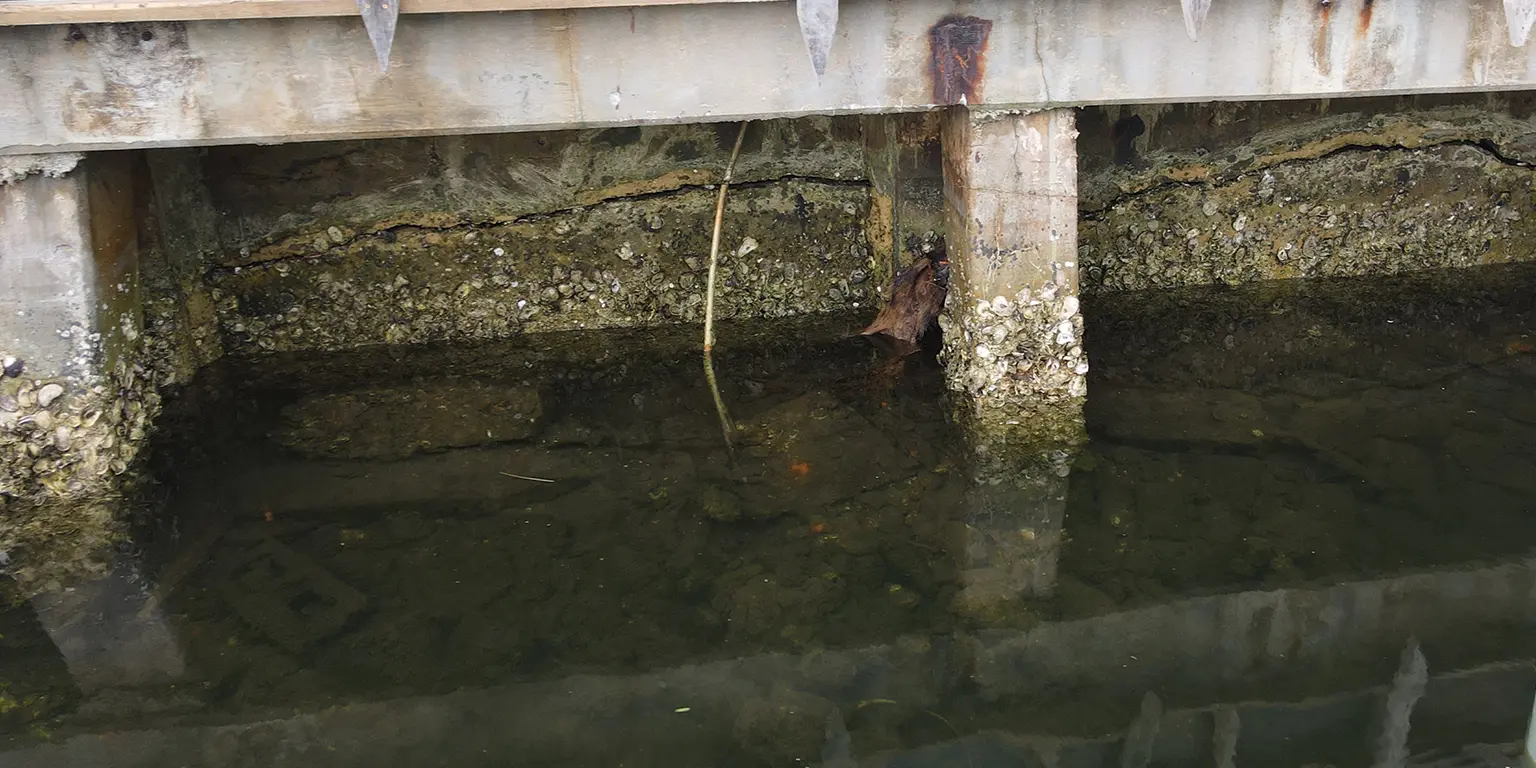
At The Dock Experts, we know how easy it is for small seawall issues to get pushed to the bottom of a property owner’s priority list. A thin crack, a chipped corner, or a shallow dip in the ground may not seem serious when everything still looks mostly intact from a distance. That is exactly why seawall repair services matter so much, because the earliest warning signs are often the point when damage is still manageable and the surrounding property can still be protected more efficiently. This is not really a story about cosmetic flaws at all; it is a story about what happens when minor shoreline problems are allowed to develop into major structural repairs.
Many waterfront owners assume they have time because seawall damage rarely appears all at once. In most cases, deterioration develops gradually, which makes it deceptively easy to explain away or postpone for another season. We have seen property owners focus on what looks small above the surface while hidden erosion, trapped water, and soil movement continue to worsen behind the wall. By the time the damage becomes impossible to ignore, the work involved is often larger, more disruptive, and more expensive than it would have been earlier.
Why Minor Seawall Damage Is Easy to Ignore
Seawall damage rarely starts with a dramatic failure that demands immediate attention. More often, it begins quietly with subtle changes that are easy to brush off, like a small crack, a chipped edge, or a patch of uneven ground. Because those early warning signs do not always look urgent, many property owners assume there is still plenty of time to deal with them later. The problem is that what seems minor on the surface can be the first sign of much bigger issues developing behind the wall.
We often see property owners focus on what is easiest to notice while the real damage continues out of sight. If the seawall is still standing and the yard still looks usable, it is natural to think the situation is under control. In reality, hidden water intrusion, soil erosion, and pressure buildup may already be weakening the structure from behind. That is why delaying action can be so costly, because the problem often grows long before it looks serious.
The Early Warning Signs That Should Not Be Dismissed
Some of the most important seawall warning signs are also the easiest to underestimate. Hairline cracks in the wall or cap may seem insignificant, but they can allow water to seep into weakened areas over time. Chipping or breaking concrete, often called spalling, is another sign that the surface is already starting to break down. Sinkholes, divots, soft spots, and even shifting patios or pavers nearby can all point to changes in the soil that may be tied directly to the seawall’s stability.
These signs matter because they often signal more than ordinary wear. Water moving through cracks can slowly wash out the soil that supports the wall, while poor drainage can increase pressure behind it. As that support system weakens, the seawall becomes more vulnerable to settling, bowing, and larger structural problems. What looks like minor damage today can quickly become the start of a much more serious repair issue.
What Is Actually Happening Behind the Seawall
One of the biggest challenges with seawall damage is that the most serious problems often develop where property owners cannot see them. Water can move through cracks, joints, and weakened sections, slowly carrying soil away from behind the wall. At the same time, trapped water can create hydrostatic pressure, adding force that pushes against the structure from the landward side. As erosion and pressure continue to build, the seawall gradually loses the support it relies on to remain strong and stable.
That hidden progression is what makes early damage so deceptive. A wall can still appear functional even while the ground behind it is shifting and weakening. What looks like a small defect on the surface may actually be part of a larger problem involving drainage, soil loss, and ongoing deterioration. This is why seawall repair services are most effective when they address the cause of the damage, not just the visible symptom.
Why Delaying Repairs Usually Makes the Problem More Expensive
When seawall damage is identified early, the repair process is often more straightforward and more manageable. Localized cracks, minor deterioration, or early drainage issues can sometimes be corrected before they spread into wider structural concerns. Once those problems are left alone, however, they tend to expand into broader areas of erosion, support loss, and movement. What may have started as a targeted repair can turn into a much larger and more expensive waterfront project.
The rising cost is not only about the repair itself. Delays can also affect shoreline stability, nearby hardscapes, and the overall condition of the property. As the seawall loses support, patios, pavers, and retaining features near the wall may begin to shift or crack as well. That is why seawall repair services are most valuable when they are approached early, before one problem has the chance to trigger several more.
When a Seawall May Still Be Repairable
Not every damaged seawall is beyond repair, and that is an important distinction for property owners to understand. Early-stage cracking, limited deterioration, minor soil loss, and drainage issues that have not yet caused major movement may still be addressed effectively. In many cases, acting early gives property owners more options and a better chance of avoiding more extensive structural work. The sooner the problem is evaluated, the easier it is to determine the most practical next step.
That does not mean every minor issue has a simple fix, but it does mean timing can make a major difference. Once a seawall begins leaning, bowing, or losing significant support, the solution may become more involved. Before that point, seawall repair services may still help stabilize the wall and slow further deterioration. Waiting too long can quickly limit what is realistically repairable.
Why Early Evaluation Matters More Than Guesswork
Seawall damage is not always easy to judge from appearance alone. A crack that seems minor may be connected to trapped water, erosion, or movement behind the wall. A soft spot in the yard may look isolated even though it points to a growing void below the surface. Guesswork often leads to delay, and delay is what allows manageable issues to turn into major structural concerns.
A proper evaluation helps reveal whether the damage is still localized or whether it is already affecting the long-term stability of the seawall. That matters because the right response depends on what is causing the problem, not just what is easiest to see. At The Dock Experts, we believe seawall repair services should begin with a clear understanding of the wall’s actual condition and the land supporting it. Acting early is one of the most effective ways to protect both your shoreline and your property.
Small Seawall Problems Rarely Stay Small
At The Dock Experts, we want waterfront property owners to understand one important truth: small seawall problems rarely stay small. Cracks, chipping, soft spots, and shifting hardscapes are often signs that water intrusion, erosion, or pressure is already affecting the wall from behind. The longer those conditions are left alone, the more likely they are to grow into major repairs that impact both the seawall and the surrounding property. Taking early warning signs seriously is the best way to protect your shoreline before the damage becomes harder and more expensive to correct.
Do not wait for minor seawall damage to become a major waterfront repair. The Dock Experts provides extensive seawall services, from inspections and targeted repairs to stabilization, drainage improvements, and full replacement. Contact us today to schedule an evaluation and protect your shoreline with confidence.
Ask the Experts – Seawall Repair FAQ
Common warning signs include cracks, leaning or bowing walls, soil loss behind the seawall (sinkholes), rust stains, and water seeping through. If you notice any of these, it’s best to have a professional inspection.
Many seawalls can be repaired using methods like crack sealing, tieback reinforcement, or cap replacement. Full replacement is typically only necessary when structural failure is extensive.
Most seawall repair projects can be completed within a few days to a couple of weeks, depending on the severity of the damage and the repair method used.
Costs vary based on the extent of damage, materials, and access to the property. Minor repairs may be relatively affordable, while structural reinforcement or large-scale repairs will cost more.
Yes—proper repairs can significantly extend the life of your seawall and help prevent more costly damage in the future. Routine maintenance is key to long-term performance.