
Seawall Support: Beneath the Surface of a Seawall
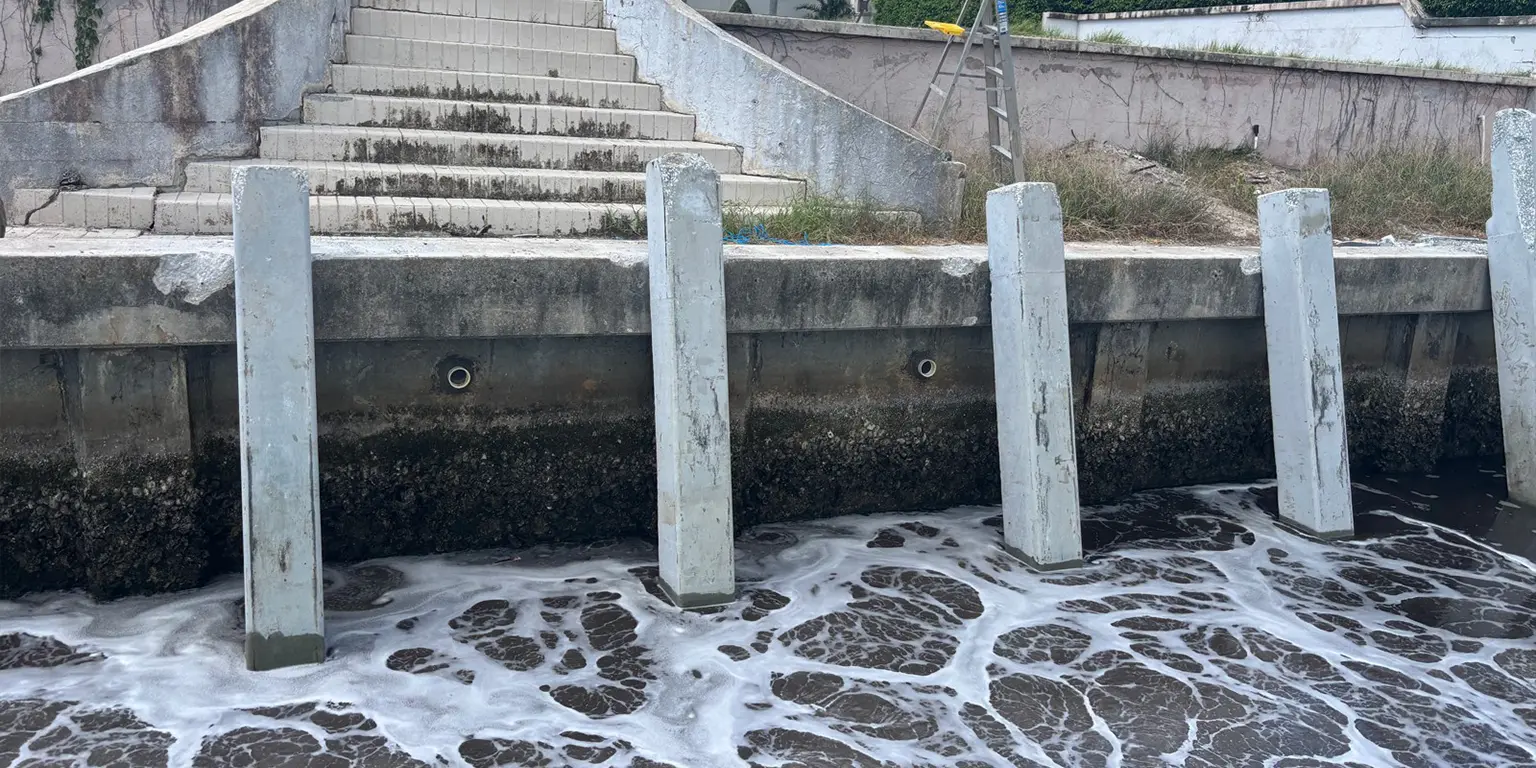
When most property owners look at a seawall, they see a protective barrier standing between their shoreline and the constant forces of water. What many people do not realize is that the true strength of Seawall Support exists beneath the visible structure and extends far beyond what can be seen from the surface. Hidden components, engineered reinforcement systems, soil conditions, and carefully planned construction methods all work together to help a seawall withstand wave energy, changing ground conditions, and long-term environmental pressure. At The Dock Experts, we understand that what lies underneath often determines whether a seawall performs well for decades or begins showing signs of premature failure.
A seawall is not simply a vertical wall placed along the shoreline. It is a structural system designed to interact with water, surrounding soils, drainage pathways, and underground support elements that collectively maintain stability. While visible materials often receive the most attention, the real engineering takes place below the waterline and behind the wall itself. Understanding these hidden systems gives property owners a clearer picture of why installation quality, structural design, and ongoing maintenance all matter. Looking below the surface reveals how every component contributes to the overall performance of the structure.
Why Seawall Support Starts Below the Surface
The visible face of a seawall represents only one portion of a much larger structural system. Behind every wall is an engineered network of support elements designed to resist movement, distribute pressure, and stabilize the shoreline over time. Water constantly applies force against structures, while surrounding soils exert pressure from the landward side, creating opposing stresses that must remain balanced. Effective Seawall Support begins beneath the surface because these hidden systems carry much of the workload that property owners never see.
Many modern shoreline stabilization systems rely on principles rooted in marine engineering basics to ensure long-term structural integrity. Underground support components absorb loads and transfer forces into surrounding areas designed to handle that pressure safely. Without these systems, even a durable wall material could gradually shift, lean, crack, or fail under repeated environmental stress. The performance of a seawall often depends less on what material appears above ground and more on how effectively unseen structural elements work together below it.
Pressure beneath and behind a seawall is constantly changing due to tides, weather patterns, water levels, and natural soil movement. The structure must remain capable of adapting to these fluctuations without creating instability throughout the surrounding shoreline. This is why professionally engineered seawall support systems consider long-term conditions rather than simply addressing immediate construction needs. The goal is not just creating a barrier but creating a system capable of enduring years of environmental demands.
Understanding the Seawall Construction Process
Site Evaluation and Soil Analysis
The seawall construction process begins long before equipment arrives on-site or materials are installed along the shoreline. Every project starts with evaluating shoreline conditions, water depth, erosion patterns, and surrounding environmental characteristics that influence structural requirements. Soil analysis plays an especially important role because different ground conditions respond very differently under pressure. Factors such as load requirements, shoreline composition, and water movement all contribute to how a seawall should ultimately be designed.
Some shorelines contain compact, stable soils capable of supporting heavy structural loads with minimal movement over time. Others may consist of soft sediments or shifting materials that require additional reinforcement to prevent long-term instability. Poor soil conditions can create settlement issues beneath structures, reducing effectiveness even when high-quality materials are used. Careful planning at this stage helps identify risks before construction begins rather than correcting problems after installation.
Engineering and Structural Planning
Once site information is gathered, engineering and structural planning begin shaping the project itself. Material selection depends heavily on environmental exposure, anticipated water forces, and long-term performance expectations. Engineers determine placement strategies and support requirements that allow the seawall to function effectively under changing shoreline conditions. Decisions made during this phase affect durability, maintenance needs, and overall structural behavior for years afterward.
Marine construction methods often require balancing structural strength with environmental realities unique to waterfront properties. Support systems may vary significantly depending on soil composition and shoreline activity. Rather than applying a one-size-fits-all approach, projects are developed around site-specific conditions and projected demands. Customized planning creates stronger foundations for successful long-term performance.
Installation and Reinforcement
Installation introduces structural components designed to work together as a complete system rather than individual pieces. Sheet piling, support structures, drainage systems, and reinforcement elements are integrated according to the specific demands of the site. While some components remain visible after completion, many critical structural elements become hidden beneath the finished landscape. Their role continues long after construction equipment leaves the property.
Drainage considerations also begin during installation because trapped water can create major structural challenges over time. Reinforcement systems help maintain balance while limiting movement beneath surrounding soils. This phase transforms engineering plans into functioning structural systems capable of resisting years of environmental stress. Strong construction methods create the foundation necessary for reliable long-term Seawall Support.
How Tiebacks and Anchors Create Seawall Support
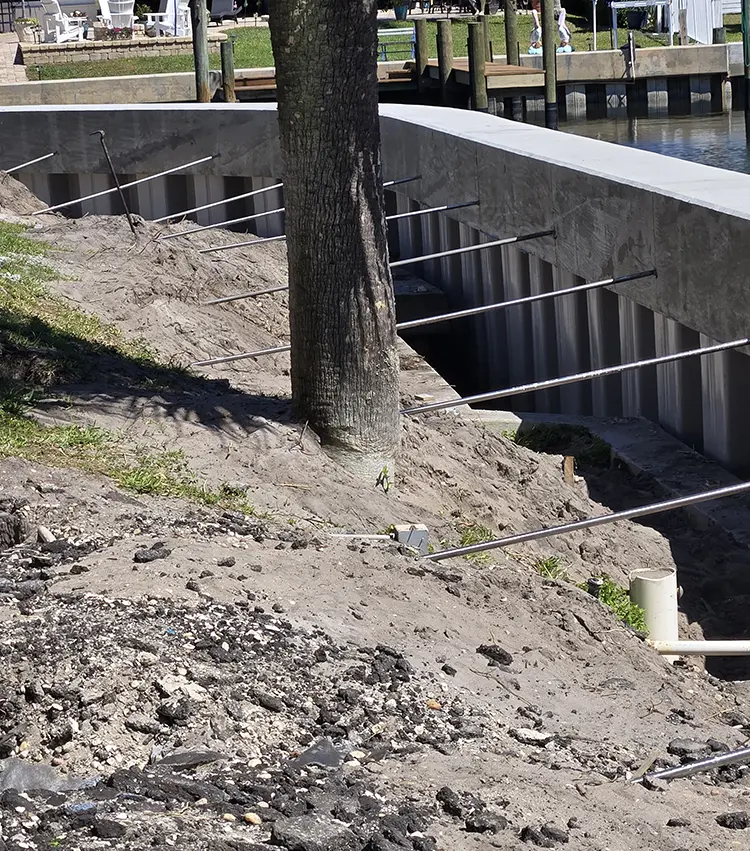
Among the least understood structural seawall components are tiebacks and anchors. Many property owners assume a seawall remains stable solely because of the visible wall itself, but significant support often extends deep behind the shoreline. Tiebacks connect portions of the wall structure to anchor systems positioned further inland where stable ground conditions exist. These systems help distribute force and reduce direct pressure against the wall face.
Tiebacks and anchors operate by transferring structural loads into surrounding support zones capable of absorbing stress more effectively. Without them, concentrated pressure can place excessive force directly on wall materials and increase the likelihood of movement over time. Seawall anchoring systems essentially create balance by spreading loads over a broader structural area. This distribution process significantly improves long-term stability and overall performance.
A useful visual for property owners is imagining a cross-sectional diagram showing the wall face, tiebacks, anchors, and support zones extending behind the structure. The visible wall becomes only one piece within a larger engineered system working below the surface. Understanding these hidden structural relationships often changes how property owners view seawall performance and maintenance. In many cases, the systems nobody sees provide the greatest contribution to Seawall Support.
What Homeowners Never See Behind a Seawall
Behind a seawall exists a network of systems specifically designed to control water movement and maintain structural balance. Seawall drainage systems play a critical role by relieving water pressure that builds naturally behind retaining structures. When trapped water accumulates within surrounding soils, hydrostatic pressure can gradually increase and create forces capable of damaging structural components. Proper drainage allows excess water to move safely without generating unnecessary stress.
Compacted materials and engineered fill zones also contribute significantly to shoreline stabilization systems. These reinforced areas help create stable support conditions that reduce settlement and maintain consistent structural performance. Soil reinforcement areas are designed carefully because poor compaction or unstable materials can create voids beneath surrounding surfaces over time. Stability behind the wall often proves just as important as strength within the wall itself.
Structural backfill introduces another hidden layer of support that contributes to long-term success. Materials selected for these areas are often chosen for drainage characteristics, compaction ability, and resistance to movement under varying conditions. A layered cutaway visual showing support zones beneath and behind the structure can help homeowners better understand these relationships. Much of the protection associated with seawalls exists within systems buried completely out of sight.
How Shoreline Conditions Affect Seawall Support
No two shorelines experience identical environmental conditions, which means seawall performance can vary significantly from one property to another. Soil movement, wave energy, erosion patterns, and storm conditions all influence how structural systems respond over time. Environmental forces continually reshape shorelines and place evolving demands on structures protecting waterfront properties. Long-term Seawall Support depends on accounting for these variables during both design and installation.
Different soil conditions introduce unique structural challenges beneath a seawall. Clay soils often retain moisture and expand under changing conditions, while sandy environments may allow greater movement and erosion beneath structural components. Each shoreline behaves differently under stress, making site-specific planning essential for effective waterfront structural support. Understanding soil behavior helps improve shoreline erosion prevention and structural reliability.
Coastal environments also change naturally over time due to shifting water patterns and seasonal conditions. Areas that appear stable today may experience gradual changes capable of influencing shoreline performance years later. Seawalls must accommodate these environmental realities rather than resist them entirely. Structural flexibility and informed design often become major contributors to long-term stability.
Common Hidden Problems That Can Threaten Seawall Support
Some structural issues begin developing beneath the surface long before visible warning signs appear. Soil voids can form gradually due to water movement, poor compaction, or erosion occurring beneath support zones. As these gaps expand, surrounding materials lose stability and may eventually create settlement or structural movement. Early detection often prevents small conditions from becoming major repair projects.
Anchor deterioration can also affect structural integrity over time. Tiebacks and support hardware remain exposed to demanding conditions beneath the surface where corrosion and environmental wear may gradually reduce effectiveness. Drainage failure creates another hidden concern because trapped water increases pressure behind the wall and places unnecessary stress on surrounding components. These problems often remain invisible until more noticeable symptoms emerge.
Property owners should pay attention to common signs of seawall failure including cracking, sinkholes, leaning sections, or unusual ground settlement. Routine seawall inspection helps identify developing conditions before they progress into severe seawall structural damage requiring extensive repairs. Hidden problems rarely improve without intervention and frequently become more expensive over time. Understanding what occurs beneath the surface improves awareness and encourages proactive maintenance decisions.
Why Understanding Seawall Support Matters for Long-Term Performance
Property owners who understand how structural systems function beneath the surface are often better equipped to recognize concerns early. Small signs of movement or drainage changes may indicate developing conditions that deserve attention before larger failures occur. Long-term seawall lifespan depends on more than material quality alone because hidden support systems contribute heavily to structural reliability. Recognizing these relationships helps owners make more informed maintenance and repair decisions.
At The Dock Experts, we believe education helps property owners protect their investments more effectively. Understanding structural behavior beneath a seawall creates a stronger foundation for evaluating inspections, planning maintenance, and identifying changes over time. Preventing expensive repairs often begins with understanding how these systems function before obvious problems appear. Better awareness creates opportunities to address issues proactively rather than reactively.
Looking Beyond the Visible Structure.
The strength of a seawall depends on far more than what is visible from the shoreline. Hidden components like tiebacks, anchors, drainage systems, and underground support structures all play a role in long-term performance, and problems beneath the surface can develop long before major warning signs appear. Understanding these systems is an important step toward protecting your property and avoiding preventable structural issues.
At The Dock Experts, we help waterfront property owners evaluate the health of their shoreline structures and identify concerns that may impact long-term stability. If you have noticed settling, erosion, cracking, or other signs that something may be changing around your seawall, our team can help determine whether seawall repair or additional support solutions may be needed. Book an appointment to have our team take a closer look beneath the surface and protect your shoreline investment.