
Bulkhead Meaning, Purpose, and Use
At The Dock Experts, we know many Florida property owners hear the word bulkhead before they fully understand what it means for their shoreline. That uncertainty is common because waterfront structures are often discussed in broad terms, even when they serve different roles. The result is that homeowners may know they have a structure at the water’s edge without knowing what job it is actually meant to do.
When you understand the purpose of a shoreline structure, it becomes easier to make sense of your property as a whole. You can ask better questions, plan more confidently, and have more productive conversations about future work. That matters whether you are looking at a canal-front home, a marina-adjacent property, or any other developed shoreline in Florida. Clear terms lead to better decisions, and better decisions start with a direct explanation.
What Is a Bulkhead?
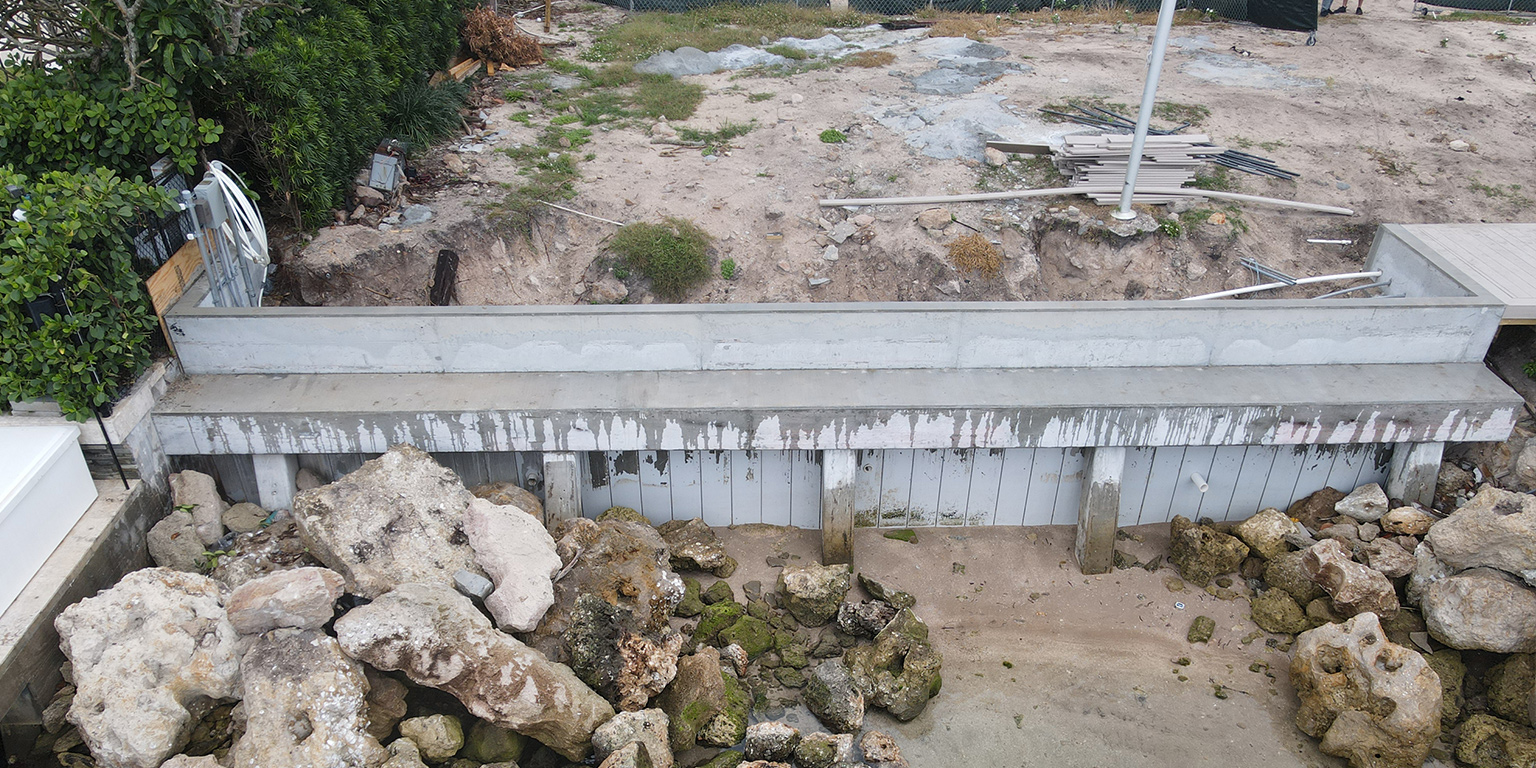
A bulkhead is a specialized retaining structure built along the shoreline to hold back soil and create a defined edge between land and water. Its purpose is straightforward: it helps keep the upland portion of the property in place while giving the waterfront a more controlled boundary. Instead of allowing the shoreline to feel loose or irregular, it establishes a firm line at the water’s edge. That defined edge is one of the clearest signs of what the structure is there to do.
For waterfront owners, that definition matters because the shoreline is part of how the property functions every day. The edge of the lot affects usable space, access, layout, and the way the property meets the water. A retaining structure at that location is not just a visual feature, even though it can make the shoreline look cleaner and more finished. Its primary role is to support the land behind it and help shape the waterfront in a deliberate way.
What Purpose Does a Bulkhead Serve?
A bulkhead serves the practical purpose of retaining land along the shoreline. On a developed waterfront property, that matters because the shape of the lot does not stop being important once it reaches the water. A defined shoreline edge helps preserve usable space and supports a more orderly transition from yard to waterfront. That makes the structure valuable not only for the property line itself, but for the way the entire site functions.
This becomes especially important when the waterfront is part of how the owner lives on and uses the property. Docks, walkways, seating areas, boat access, and shoreline visibility all depend on a layout that feels stable and intentional. When the edge of the property is clearly established, the rest of the waterfront can work more cohesively around it. That is why this type of structure is often part of a broader marine construction plan rather than a stand-alone feature.
Where Is a Bulkhead Typically Used?
A bulkhead is most commonly used on waterfronts where the priority is holding back land and maintaining a defined shoreline edge. Canal-front properties are a strong example because they often have developed lots with a clear need for boundary, access, and shoreline order. Similar conditions can exist at marinas and other protected waterfront sites where the land-water transition needs to stay controlled. In those settings, the structure supports the way the property is built and used.
The surrounding environment plays a major role in why this type of shoreline solution appears in those locations. Protected waterfronts usually call for a different approach than shorelines that face heavier open-water force. On a more controlled site, the goal is often to preserve the shape of the lot and support the property behind the shoreline. That is why location is such a strong clue when homeowners are trying to understand what kind of structure they have.
How Is a Bulkhead Different From a Seawall?
A bulkhead differs from a seawall in its primary function. A bulkhead is generally associated with retaining soil and creating a defined edge along the property, while a seawall is more often associated with protecting the shoreline from stronger wave action and direct water force. Both structures are related to waterfront protection, but they are not built around the same first priority. That distinction matters because the right structure depends on what the site needs the structure to do.
For homeowners, the easiest way to understand that difference is to think about the shoreline conditions themselves. A more protected canal-front property may need a structure that supports the land and keeps the edge of the lot clear and usable. A more exposed shoreline may call for a structure designed around stronger defense from water movement. Once the purpose of the site becomes the focus, the difference between the two terms becomes much easier to understand.
Why Do Homeowners Hear the Terms Used Interchangeably?
Homeowners hear these terms used interchangeably because shoreline structures can look similar at a glance. When a structure sits at the water’s edge and appears to support the property, many people use the most familiar label without thinking about the technical distinction. That is a normal part of everyday conversation, especially in communities where waterfront terms get passed from neighbor to neighbor over time. The confusion is not caused by carelessness as much as by habit.
Contractors, property owners, and local communities also do not always use the same vocabulary in the same way. One person may describe the shoreline feature by appearance, while another may describe it by function. That difference in language can make a straightforward structure sound more confusing than it really is. In our experience, the best way to cut through that confusion is to focus on what the structure is there to accomplish rather than on the label alone.
Why the Difference Matters for Florida Waterfront Owners
Understanding the difference matters because shoreline planning starts with knowing what role the structure serves on the property. If a homeowner does not understand whether the shoreline feature is there to retain land, resist stronger water force, or support a broader construction plan, it becomes much harder to make informed decisions. That uncertainty can affect how owners think about future improvements, long-term property use, and the conversations they have with marine contractors. Clear understanding creates a stronger starting point for every next step.
Florida properties make that clarity even more important because shoreline conditions vary so much from one site to another. A canal-front home, a protected inlet property, and a more exposed shoreline do not present the same needs, even if they all involve waterfront construction. The right solution depends on exposure, layout, and the intended use of the property, not just on the word a homeowner has heard before. When owners understand the structure in front of them, they are in a better position to protect both the function and value of their waterfront.
Start With a Clear Understanding of Your Shoreline
At The Dock Experts, we believe waterfront decisions should start with clarity, not guesswork. When homeowners understand what a shoreline structure is meant to do, the rest of the conversation becomes more productive. It becomes easier to evaluate the property, ask focused questions, and plan around the real conditions of the site. That kind of understanding is what helps waterfront owners move forward with confidence.
A shoreline structure is never just a label on a page or a term in a conversation. It is part of how your property holds its shape, supports its layout, and functions along the water over time. Knowing whether the shoreline is built around land retention, stronger protection, or a broader marine construction goal gives you a better foundation for every future decision. For Florida waterfront owners, that clarity is not a small detail; it is the starting point for smarter planning.
If you are not sure whether your waterfront property has a bulkhead, a seawall, or another shoreline structure, our team can help you understand what is there and what makes sense for your site. Contact The Dock Experts to discuss your shoreline and get experienced guidance for your waterfront property.