
Seawall Support: Beneath the Surface of a Seawall
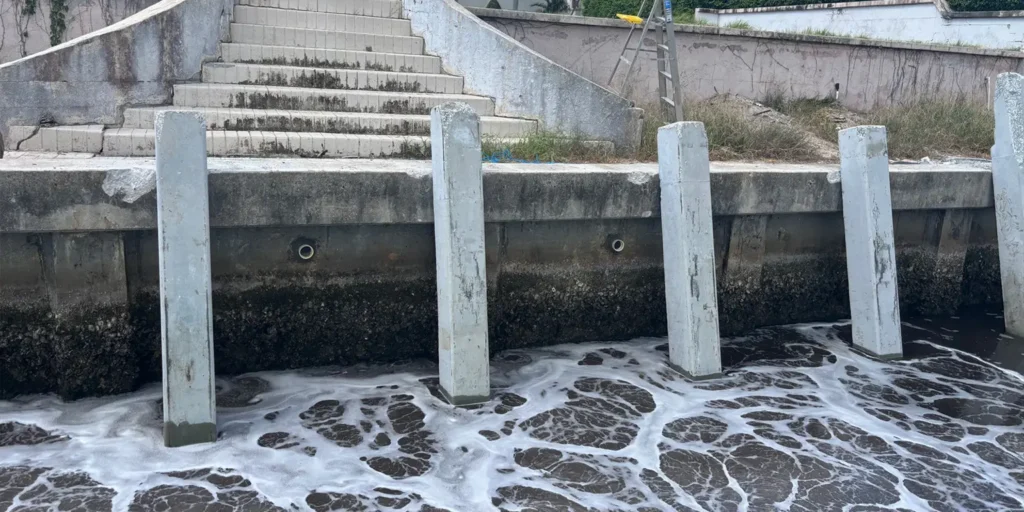
When most property owners look at a seawall, they see a protective barrier standing between their shoreline and the constant forces of water. What many people do not realize is that the true strength of Seawall Support exists beneath the visible structure and extends far beyond what can be seen from the surface. Hidden components, engineered reinforcement systems, soil conditions, and carefully planned construction methods all work together to help a seawall withstand wave energy, changing ground conditions, and long-term environmental pressure. At The Dock Experts, we understand that what lies underneath often determines whether a seawall performs well for decades or begins showing signs of premature failure. A seawall is not simply a vertical wall placed along the shoreline. It is a structural system designed to interact with water, surrounding soils, drainage pathways, and underground support elements that collectively maintain stability. While visible materials often receive the most attention, the real engineering takes place below the waterline and behind the wall itself. Understanding these hidden systems gives property owners a clearer picture of why installation quality, structural design, and ongoing maintenance all matter. Looking below the surface reveals how every component contributes to the overall performance of the structure. Why Seawall Support Starts Below the Surface The visible face of a seawall represents only one portion of a much larger structural system. Behind every wall is an engineered network of support elements designed to resist movement, distribute pressure, and stabilize the shoreline over time. Water constantly applies force against structures, while surrounding soils exert pressure from the landward side, creating opposing stresses that must remain balanced. Effective Seawall Support begins beneath the surface because these hidden systems carry much of the workload that property owners never see. Many modern shoreline stabilization systems rely on principles rooted in marine engineering basics to ensure long-term structural integrity. Underground support components absorb loads and transfer forces into surrounding areas designed to handle that pressure safely. Without these systems, even a durable wall material could gradually shift, lean, crack, or fail under repeated environmental stress. The performance of a seawall often depends less on what material appears above ground and more on how effectively unseen structural elements work together below it. Pressure beneath and behind a seawall is constantly changing due to tides, weather patterns, water levels, and natural soil movement. The structure must remain capable of adapting to these fluctuations without creating instability throughout the surrounding shoreline. This is why professionally engineered seawall support systems consider long-term conditions rather than simply addressing immediate construction needs. The goal is not just creating a barrier but creating a system capable of enduring years of environmental demands. Understanding the Seawall Construction Process Site Evaluation and Soil Analysis The seawall construction process begins long before equipment arrives on-site or materials are installed along the shoreline. Every project starts with evaluating shoreline conditions, water depth, erosion patterns, and surrounding environmental characteristics that influence structural requirements. Soil analysis plays an especially important role because different ground conditions respond very differently under pressure. Factors such as load requirements, shoreline composition, and water movement all contribute to how a seawall should ultimately be designed. Some shorelines contain compact, stable soils capable of supporting heavy structural loads with minimal movement over time. Others may consist of soft sediments or shifting materials that require additional reinforcement to prevent long-term instability. Poor soil conditions can create settlement issues beneath structures, reducing effectiveness even when high-quality materials are used. Careful planning at this stage helps identify risks before construction begins rather than correcting problems after installation. Engineering and Structural Planning Once site information is gathered, engineering and structural planning begin shaping the project itself. Material selection depends heavily on environmental exposure, anticipated water forces, and long-term performance expectations. Engineers determine placement strategies and support requirements that allow the seawall to function effectively under changing shoreline conditions. Decisions made during this phase affect durability, maintenance needs, and overall structural behavior for years afterward. Marine construction methods often require balancing structural strength with environmental realities unique to waterfront properties. Support systems may vary significantly depending on soil composition and shoreline activity. Rather than applying a one-size-fits-all approach, projects are developed around site-specific conditions and projected demands. Customized planning creates stronger foundations for successful long-term performance. Installation and Reinforcement Installation introduces structural components designed to work together as a complete system rather than individual pieces. Sheet piling, support structures, drainage systems, and reinforcement elements are integrated according to the specific demands of the site. While some components remain visible after completion, many critical structural elements become hidden beneath the finished landscape. Their role continues long after construction equipment leaves the property. Drainage considerations also begin during installation because trapped water can create major structural challenges over time. Reinforcement systems help maintain balance while limiting movement beneath surrounding soils. This phase transforms engineering plans into functioning structural systems capable of resisting years of environmental stress. Strong construction methods create the foundation necessary for reliable long-term Seawall Support. How Tiebacks and Anchors Create Seawall Support Among the least understood structural seawall components are tiebacks and anchors. Many property owners assume a seawall remains stable solely because of the visible wall itself, but significant support often extends deep behind the shoreline. Tiebacks connect portions of the wall structure to anchor systems positioned further inland where stable ground conditions exist. These systems help distribute force and reduce direct pressure against the wall face. Tiebacks and anchors operate by transferring structural loads into surrounding support zones capable of absorbing stress more effectively. Without them, concentrated pressure can place excessive force directly on wall materials and increase the likelihood of movement over time. Seawall anchoring systems essentially create balance by spreading loads over a broader structural area. This distribution process significantly improves long-term stability and overall performance. A useful visual for property owners is imagining a cross-sectional diagram showing the wall face, tiebacks, anchors, and support zones extending behind the structure. The visible wall becomes only one piece within a larger engineered
Bulkhead Meaning, Purpose, and Use
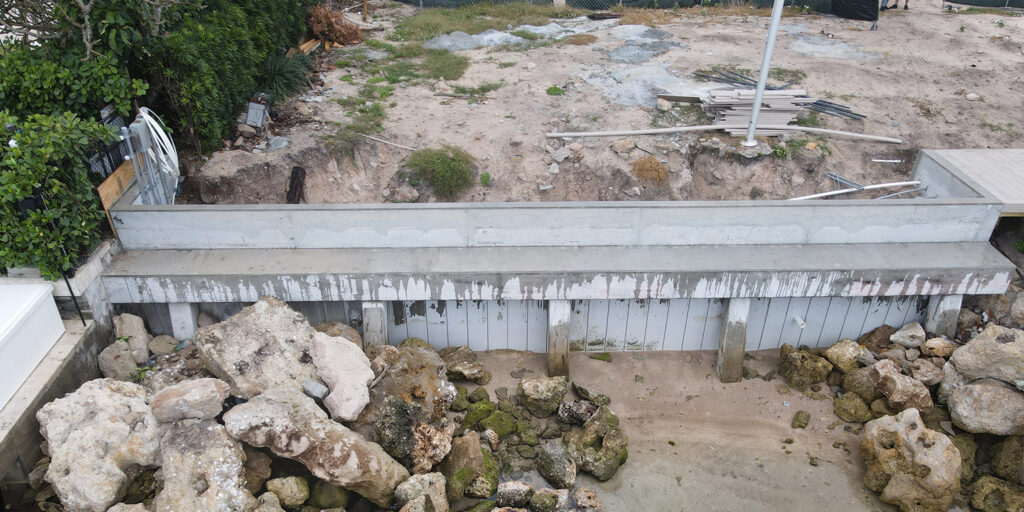
At The Dock Experts, we know many Florida property owners hear the word bulkhead before they fully understand what it means for their shoreline. That uncertainty is common because waterfront structures are often discussed in broad terms, even when they serve different roles. The result is that homeowners may know they have a structure at the water’s edge without knowing what job it is actually meant to do. When you understand the purpose of a shoreline structure, it becomes easier to make sense of your property as a whole. You can ask better questions, plan more confidently, and have more productive conversations about future work. That matters whether you are looking at a canal-front home, a marina-adjacent property, or any other developed shoreline in Florida. Clear terms lead to better decisions, and better decisions start with a direct explanation. What Is a Bulkhead? A bulkhead is a specialized retaining structure built along the shoreline to hold back soil and create a defined edge between land and water. Its purpose is straightforward: it helps keep the upland portion of the property in place while giving the waterfront a more controlled boundary. Instead of allowing the shoreline to feel loose or irregular, it establishes a firm line at the water’s edge. That defined edge is one of the clearest signs of what the structure is there to do. For waterfront owners, that definition matters because the shoreline is part of how the property functions every day. The edge of the lot affects usable space, access, layout, and the way the property meets the water. A retaining structure at that location is not just a visual feature, even though it can make the shoreline look cleaner and more finished. Its primary role is to support the land behind it and help shape the waterfront in a deliberate way. What Purpose Does a Bulkhead Serve? A bulkhead serves the practical purpose of retaining land along the shoreline. On a developed waterfront property, that matters because the shape of the lot does not stop being important once it reaches the water. A defined shoreline edge helps preserve usable space and supports a more orderly transition from yard to waterfront. That makes the structure valuable not only for the property line itself, but for the way the entire site functions. This becomes especially important when the waterfront is part of how the owner lives on and uses the property. Docks, walkways, seating areas, boat access, and shoreline visibility all depend on a layout that feels stable and intentional. When the edge of the property is clearly established, the rest of the waterfront can work more cohesively around it. That is why this type of structure is often part of a broader marine construction plan rather than a stand-alone feature. Where Is a Bulkhead Typically Used? A bulkhead is most commonly used on waterfronts where the priority is holding back land and maintaining a defined shoreline edge. Canal-front properties are a strong example because they often have developed lots with a clear need for boundary, access, and shoreline order. Similar conditions can exist at marinas and other protected waterfront sites where the land-water transition needs to stay controlled. In those settings, the structure supports the way the property is built and used. The surrounding environment plays a major role in why this type of shoreline solution appears in those locations. Protected waterfronts usually call for a different approach than shorelines that face heavier open-water force. On a more controlled site, the goal is often to preserve the shape of the lot and support the property behind the shoreline. That is why location is such a strong clue when homeowners are trying to understand what kind of structure they have. How Is a Bulkhead Different From a Seawall? A bulkhead differs from a seawall in its primary function. A bulkhead is generally associated with retaining soil and creating a defined edge along the property, while a seawall is more often associated with protecting the shoreline from stronger wave action and direct water force. Both structures are related to waterfront protection, but they are not built around the same first priority. That distinction matters because the right structure depends on what the site needs the structure to do. For homeowners, the easiest way to understand that difference is to think about the shoreline conditions themselves. A more protected canal-front property may need a structure that supports the land and keeps the edge of the lot clear and usable. A more exposed shoreline may call for a structure designed around stronger defense from water movement. Once the purpose of the site becomes the focus, the difference between the two terms becomes much easier to understand. Why Do Homeowners Hear the Terms Used Interchangeably? Homeowners hear these terms used interchangeably because shoreline structures can look similar at a glance. When a structure sits at the water’s edge and appears to support the property, many people use the most familiar label without thinking about the technical distinction. That is a normal part of everyday conversation, especially in communities where waterfront terms get passed from neighbor to neighbor over time. The confusion is not caused by carelessness as much as by habit. Contractors, property owners, and local communities also do not always use the same vocabulary in the same way. One person may describe the shoreline feature by appearance, while another may describe it by function. That difference in language can make a straightforward structure sound more confusing than it really is. In our experience, the best way to cut through that confusion is to focus on what the structure is there to accomplish rather than on the label alone. Why the Difference Matters for Florida Waterfront Owners Understanding the difference matters because shoreline planning starts with knowing what role the structure serves on the property. If a homeowner does not understand whether the shoreline feature is there to retain land, resist stronger water force, or support a broader construction plan, it
Seawall Repair Services: The Cost of Waiting
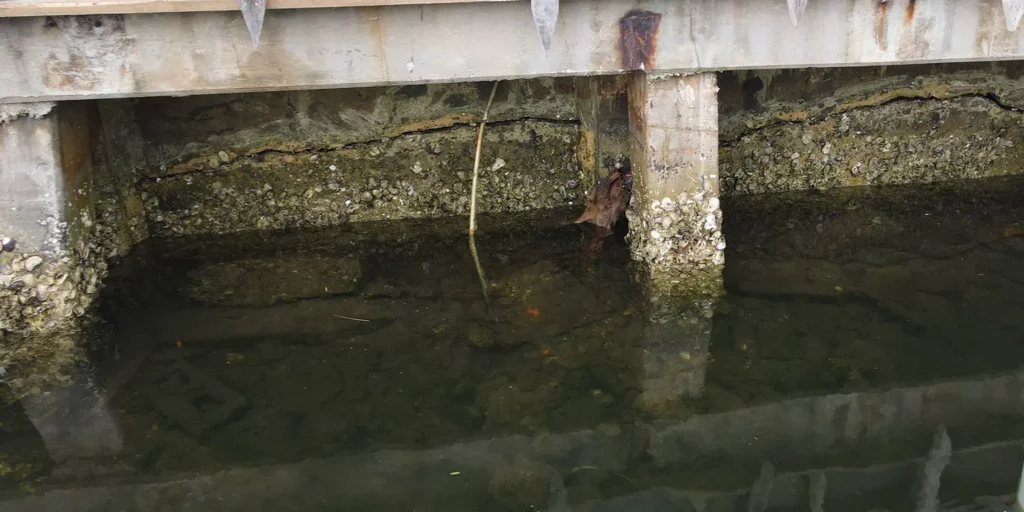
At The Dock Experts, we know how easy it is for small seawall issues to get pushed to the bottom of a property owner’s priority list. A thin crack, a chipped corner, or a shallow dip in the ground may not seem serious when everything still looks mostly intact from a distance. That is exactly why seawall repair services matter so much, because the earliest warning signs are often the point when damage is still manageable and the surrounding property can still be protected more efficiently. This is not really a story about cosmetic flaws at all; it is a story about what happens when minor shoreline problems are allowed to develop into major structural repairs. Many waterfront owners assume they have time because seawall damage rarely appears all at once. In most cases, deterioration develops gradually, which makes it deceptively easy to explain away or postpone for another season. We have seen property owners focus on what looks small above the surface while hidden erosion, trapped water, and soil movement continue to worsen behind the wall. By the time the damage becomes impossible to ignore, the work involved is often larger, more disruptive, and more expensive than it would have been earlier. Why Minor Seawall Damage Is Easy to Ignore Seawall damage rarely starts with a dramatic failure that demands immediate attention. More often, it begins quietly with subtle changes that are easy to brush off, like a small crack, a chipped edge, or a patch of uneven ground. Because those early warning signs do not always look urgent, many property owners assume there is still plenty of time to deal with them later. The problem is that what seems minor on the surface can be the first sign of much bigger issues developing behind the wall. We often see property owners focus on what is easiest to notice while the real damage continues out of sight. If the seawall is still standing and the yard still looks usable, it is natural to think the situation is under control. In reality, hidden water intrusion, soil erosion, and pressure buildup may already be weakening the structure from behind. That is why delaying action can be so costly, because the problem often grows long before it looks serious. The Early Warning Signs That Should Not Be Dismissed Some of the most important seawall warning signs are also the easiest to underestimate. Hairline cracks in the wall or cap may seem insignificant, but they can allow water to seep into weakened areas over time. Chipping or breaking concrete, often called spalling, is another sign that the surface is already starting to break down. Sinkholes, divots, soft spots, and even shifting patios or pavers nearby can all point to changes in the soil that may be tied directly to the seawall’s stability. These signs matter because they often signal more than ordinary wear. Water moving through cracks can slowly wash out the soil that supports the wall, while poor drainage can increase pressure behind it. As that support system weakens, the seawall becomes more vulnerable to settling, bowing, and larger structural problems. What looks like minor damage today can quickly become the start of a much more serious repair issue. What Is Actually Happening Behind the Seawall One of the biggest challenges with seawall damage is that the most serious problems often develop where property owners cannot see them. Water can move through cracks, joints, and weakened sections, slowly carrying soil away from behind the wall. At the same time, trapped water can create hydrostatic pressure, adding force that pushes against the structure from the landward side. As erosion and pressure continue to build, the seawall gradually loses the support it relies on to remain strong and stable. That hidden progression is what makes early damage so deceptive. A wall can still appear functional even while the ground behind it is shifting and weakening. What looks like a small defect on the surface may actually be part of a larger problem involving drainage, soil loss, and ongoing deterioration. This is why seawall repair services are most effective when they address the cause of the damage, not just the visible symptom. Why Delaying Repairs Usually Makes the Problem More Expensive When seawall damage is identified early, the repair process is often more straightforward and more manageable. Localized cracks, minor deterioration, or early drainage issues can sometimes be corrected before they spread into wider structural concerns. Once those problems are left alone, however, they tend to expand into broader areas of erosion, support loss, and movement. What may have started as a targeted repair can turn into a much larger and more expensive waterfront project. The rising cost is not only about the repair itself. Delays can also affect shoreline stability, nearby hardscapes, and the overall condition of the property. As the seawall loses support, patios, pavers, and retaining features near the wall may begin to shift or crack as well. That is why seawall repair services are most valuable when they are approached early, before one problem has the chance to trigger several more. When a Seawall May Still Be Repairable Not every damaged seawall is beyond repair, and that is an important distinction for property owners to understand. Early-stage cracking, limited deterioration, minor soil loss, and drainage issues that have not yet caused major movement may still be addressed effectively. In many cases, acting early gives property owners more options and a better chance of avoiding more extensive structural work. The sooner the problem is evaluated, the easier it is to determine the most practical next step. That does not mean every minor issue has a simple fix, but it does mean timing can make a major difference. Once a seawall begins leaning, bowing, or losing significant support, the solution may become more involved. Before that point, seawall repair services may still help stabilize the wall and slow further deterioration. Waiting too long can quickly limit what is realistically repairable. Why Early
Protect and Strengthen Your Florida Waterfront
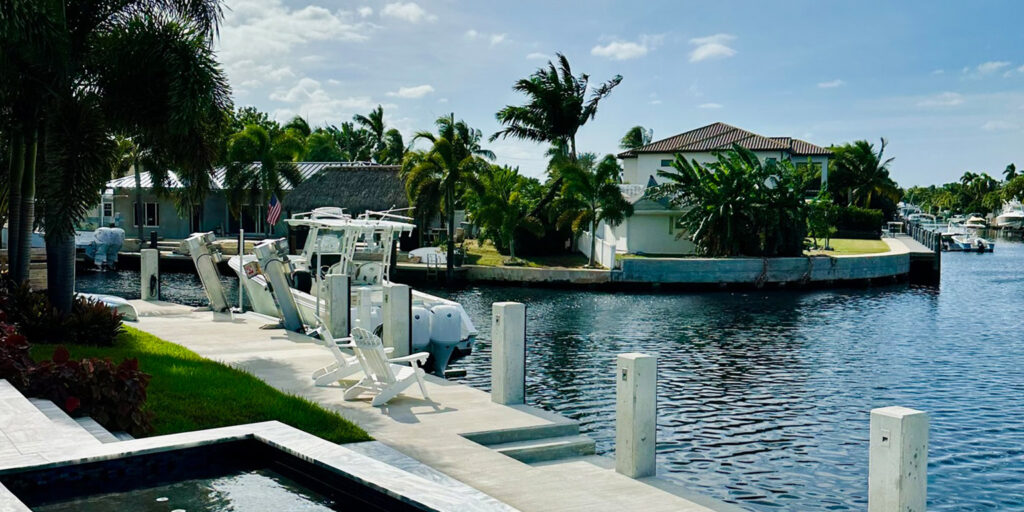
In Florida, waterfront properties require more than a beautiful view — they need strong docks and seawalls to stay safe and structurally sound. These marine structures protect against rising water levels, erosion, and relentless tidal movement. These structures are more than aesthetic additions — they are critical components of shoreline stability, property value, and long-term coastal resilience. Without proper construction, maintenance, and reinforcement, marine structures can deteriorate quickly in Florida’s harsh saltwater environment. At The Dock Experts, we design, repair, replace, and maintain docks and seawalls throughout Florida with long-term durability and compliance in mind. Over time, exposure to saltwater, storm surge, hydrostatic pressure, and soil erosion can weaken even well-built structures. Cracks in a seawall, leaning bulkheads, rotting dock decking, or failing piles are early signs that intervention may be necessary. Addressing these issues proactively prevents costly structural failure and protects your investment. Our team focuses on comprehensive solutions that strengthen and future-proof docks and seawalls for years to come. Why Seawalls and Bulkheads Matter More Than Many Realize Seawalls and bulkheads act as the primary barrier between land and water, absorbing the force of waves while preventing soil erosion and flooding. In a state like Florida, where tidal fluctuations and storm systems are part of life, these structures play a critical role in stabilizing waterfront property. Without properly engineered docks and seawalls, shorelines can erode rapidly, undermining foundations and reducing usable land. Over time, this erosion can threaten landscaping, structures, and even neighboring properties. Beyond protection, seawalls also contribute to long-term coastal resilience. Rising water levels and more frequent extreme weather events place increasing pressure on aging marine infrastructure. Reinforced walls, effective drainage systems, and stabilized supporting soils all contribute to greater durability. When docks and seawalls are thoughtfully designed and maintained, they provide decades of dependable shoreline defense. Common Causes of Seawall and Dock Deterioration Many waterfront owners first notice deterioration in subtle ways — hairline cracks in concrete, soil washout behind a wall, leaning sections, or wood rot in dock decking. These issues are often symptoms of hydrostatic pressure buildup or erosion beneath the surface. When water becomes trapped behind a seawall, pressure increases and can lead to cracking or structural separation. Over time, this weakens both the wall itself and the surrounding soil. Dock structures face their own challenges, including pile degradation, flotation problems, and corrosion from constant salt exposure. Even well-built docks and seawalls require regular inspection to ensure they remain structurally sound. Addressing small issues early — such as installing drainage systems or reinforcing unstable areas — can prevent more extensive repairs later. Regular inspection and preventative maintenance are essential components of long-term waterfront stewardship. Adapting to Rising Water and Changing Conditions As water levels fluctuate and coastal conditions evolve, some properties require structural adjustments to remain protected. Raising a seawall, reinforcing it with tiebacks, or stabilizing supporting soils may become necessary to prevent overtopping and erosion. These improvements help docks and seawalls adapt to environmental changes rather than simply react to damage after it occurs. Strategic upgrades can extend the life of marine structures while enhancing flood protection. In cases where structural integrity has significantly declined, full replacement may be the safest and most effective solution. Modern materials and engineered construction methods offer greater durability than many older systems. By combining updated designs with proper drainage and soil stabilization, waterfront structures can be rebuilt to withstand Florida’s demanding marine environment. Thoughtful planning ensures docks and seawalls continue to provide protection for decades. The Importance of Permitting and Compliance Marine construction in Florida is governed by strict environmental and building regulations. Permits, elevation standards, and local ordinances must all be carefully followed to ensure legal compliance and long-term structural viability. Failing to meet these requirements can lead to project delays, fines, or costly modifications. Proper oversight ensures that any work performed on docks and seawalls aligns with current codes and coastal protection guidelines. Managing this process requires familiarity with state and local regulations, especially in waterfront communities where environmental impact is closely monitored. Comprehensive planning not only protects the structure itself but also safeguards the property owner from regulatory complications. Compliance is not simply a formality — it is an integral part of responsible waterfront development. A Proactive Approach to Waterfront Protection Strong docks and seawalls are not static installations; they require ongoing attention to perform as intended. Regular inspections, timely repairs, and strategic reinforcements all contribute to shoreline stability and property preservation. Waiting until visible failure occurs often results in more extensive and expensive corrective work. A proactive strategy ensures that minor issues are addressed before they escalate. At The Dock Experts, we approach marine construction with long-term performance in mind. From structural repairs and stabilization to full replacements and permitting management, our focus is on protecting Florida waterfront properties with durable, compliant solutions. By prioritizing engineered designs and preventative maintenance, we help ensure docks and seawalls remain safe, stable, and resilient against Florida’s coastal forces. Investing in the Future of Your Waterfront Property Docks and seawalls are essential components of any Florida waterfront property, providing both access and protection against the forces of nature. Understanding how these structures function — and how they deteriorate — empowers property owners to make informed decisions about maintenance and upgrades. With proper planning, reinforcement, and regulatory compliance, marine structures can withstand years of tidal movement and environmental pressure. Investing in the long-term integrity of docks and seawalls is ultimately an investment in the safety, value, and stability of your waterfront property. At The Dock Experts, we provide comprehensive solutions for docks and seawalls throughout Florida. From new construction and structural repairs to drainage systems, soil stabilization, and full permitting management, we handle every aspect of marine construction with precision and care. Our commitment to quality materials, engineered designs, and regulatory compliance ensures lasting protection for your waterfront property. When it comes to building, restoring, and maintaining docks and seawalls, we focus on durability, safety, and long-term peace of mind. Reach out Protect Your Waterfront
Bulkhead Repair: Why Early Damage Matters

Bulkhead repair is one of the most important yet frequently overlooked aspects of waterfront property maintenance. Many property owners assume that if a bulkhead is still standing, it must still be doing its job, even as hidden damage develops beneath the surface. In reality, bulkheads are constantly exposed to water pressure, tidal movement, and soil erosion that slowly compromise their structural integrity. Without professional evaluation, early warning signs often go unnoticed until the damage becomes more extensive and expensive. Bulkheads tend to be overlooked because deterioration does not always appear dramatic at first. Small cracks, minor settling, or subtle soil loss can be easy to dismiss as normal aging, especially in marine environments where change happens gradually. Unfortunately, these minor issues are often indicators of deeper structural problems developing behind the wall. Ignoring them allows water and soil movement to accelerate, placing additional stress on the bulkhead system. Delaying repairs can significantly increase both cost and risk. What begins as a manageable repair can quickly evolve into a full structural failure, threatening nearby docks, boat lifts, and even the surrounding landscape. In severe cases, neglected bulkheads can lead to flooding, sinkholes, or the need for complete replacement. Addressing problems early is always more cost-effective and far less disruptive than reacting after major damage has occurred. Common Warning Signs Your Bulkhead Needs Repair Cracks or gaps forming along a bulkhead are often the first visible signs of trouble. These openings allow water to penetrate behind the wall, washing out supporting soil and increasing internal pressure. Over time, even small cracks can expand as tides rise and fall, weakening the entire structure. Early crack repair is critical to preventing more serious structural compromise. Soil loss or sinkholes behind the wall are strong indicators that erosion is occurring beneath the surface. When supporting soil washes out, voids form that reduce the bulkhead’s ability to resist water pressure. This can lead to uneven settling, surface depressions, or sudden collapse if left unaddressed. Soil loss is especially common in older bulkheads that lack proper drainage or reinforcement. Standing water or persistent drainage issues also signal underlying problems. Trapped water increases hydrostatic pressure behind the wall, pushing outward with significant force. Over time, this pressure causes cracking, bowing, or shifting of the bulkhead structure. Proper drainage is essential to maintaining long-term stability and preventing premature failure. Seawall and Bulkhead Repair — What’s the Difference? Bulkhead repair is often sufficient when the structure remains largely intact but shows signs of localized damage. In canal-front and low-to-moderate wave environments, bulkheads are designed to retain soil rather than absorb heavy wave energy. When issues are caught early, targeted repairs can restore strength, seal voids, and extend the lifespan of the existing system. This approach preserves the original structure while addressing the root causes of deterioration. Seawall-style reinforcement becomes necessary when wave action, rising water levels, or structural degradation exceeds the limits of a traditional bulkhead. Seawalls are engineered to withstand higher energy forces and may require additional anchoring, height adjustments, or concrete reinforcement. In some cases, bulkheads can be upgraded with seawall-style features to improve durability without full replacement. Choosing the right solution depends on environmental conditions and structural integrity. At The Dock Experts, we evaluate the entire shoreline system before recommending a repair strategy. This includes assessing soil conditions, water movement, drainage performance, and adjacent marine structures. Our goal is to ensure that any repair supports the long-term stability of the entire waterfront, not just the visible portion of the wall. This holistic approach allows us to deliver solutions that last. How Bulkhead Failure Affects Your Entire Waterfront Property When a bulkhead begins to fail, erosion risk increases across the entire shoreline. Soil loss behind the wall destabilizes the land it was designed to protect, making it more vulnerable to washout and settling. Over time, this erosion can spread beyond the immediate area, affecting landscaping, walkways, and nearby structures. What starts as a localized issue can quickly impact the entire property. Docks and boat lifts are particularly vulnerable to bulkhead failure. As soil erodes and ground stability declines, pilings may shift or lose support. This can lead to uneven docks, misaligned lifts, and increased wear on mechanical components. In severe cases, damage to one structure can place additional stress on others, multiplying repair costs. Property value is also directly affected by the condition of waterfront infrastructure. Buyers and insurers recognize failing bulkheads as major liabilities. Visible damage or known structural issues can reduce resale value and complicate transactions. Maintaining a stable, well-repaired bulkhead protects not only the shoreline but also the long-term investment in the property. Modern Bulkhead Repair Methods That Minimize Disruption Modern bulkhead repair techniques allow us to address structural issues without large-scale excavation. One of the most effective methods is hydrophobic polyurethane foam injection, which fills voids, seals cracks, and stabilizes surrounding soils. This foam expands upon contact with moisture, creating a strong, water-tight barrier behind the wall. The process is fast, clean, and highly effective for extending structural life. Targeted stabilization allows repairs to be performed precisely where damage exists. Instead of disturbing large sections of shoreline, we focus on reinforcing weakened areas while preserving surrounding materials. This approach minimizes disruption to the property and reduces downtime for waterfront use. It also allows for faster project completion compared to traditional methods. Fast-curing materials further enhance efficiency and durability. Many modern repair solutions reach full strength quickly, allowing the bulkhead to resume normal function in a short time. These materials are designed to withstand harsh marine conditions, including saltwater exposure and tidal movement. The result is a long-lasting repair that blends performance with convenience. The Role of Drainage in Successful Bulkhead Repair Hydrostatic pressure is one of the most destructive forces acting on bulkheads. As water accumulates behind the wall, it exerts outward pressure that stresses the structure from within. Without proper drainage, this pressure builds continuously, leading to cracking, bowing, or sudden failure. Effective bulkhead repair must address water movement, not just visible
Local Sea Wall Construction: Erosion Control & Coastal Defense

Local Sea Wall Construction: Erosion Control & Coastal Defense Sea walls are engineered coastal barriers that reduce flooding and erosion by using materials like vinyl, concrete, and rock selected to match site conditions. This guide covers what sea wall construction involves, key material and design choices, and the step-by-step building process. It explains how to choose a qualified local contractor, highlights a Lighthouse Point, FL case example, and emphasizes maintenance for long-term performance. The article also looks ahead to resilient, sustainable solutions that integrate with natural habitats. What Is Sea Wall Construction? Sea wall construction involves building barriers along coastlines. These structures protect against tidal waves and storm surges. Engineering expertise ensures sea walls are strong and durable. They must withstand harsh marine conditions over time. Sea walls can be made from various materials, such as: Choosing the right material depends on the specific needs and conditions of the site. Sea Walls Matter: Flood Prevention and Erosion Control Sea walls are essential for coastal protection. They defend against flooding and reduce erosion on vulnerable coastlines. Effective sea walls help preserve property and land value. By blocking powerful waves, they prevent damage to homes and infrastructure. The importance of sea walls includes: Communities benefit from well-maintained sea walls. Their presence can save lives and protect the environment. Types of Sea Walls: Materials and Designs Sea walls vary in materials and designs, providing tailored solutions for different needs. Each type offers unique benefits. Vinyl sea walls are popular due to durability and low maintenance. They are ideal for residential waterfronts. Concrete sea walls stand out for strength and long-lasting protection. They are often used in high-impact areas with strong wave action. Rock sea walls offer a natural look while effectively dissipating wave energy. These structures blend seamlessly with the environment. Sea wall designs consider factors such as: Selecting the right material involves understanding site needs and local conditions. Consultation with a marine engineering expert can aid in choosing the best option. Innovative designs now aim for sustainability, integrating with natural habitats. They balance coastal protection and environmental preservation. The Sea Wall Construction Process Building a sea wall involves several crucial steps, each contributing to its effectiveness. The process begins with a detailed site assessment to identify specific needs and challenges. Next, a design plan tailored to local conditions is developed. This plan considers factors such as wave action and shoreline shape. Construction follows, using chosen materials and techniques. This phase requires skilled professionals and careful coordination to ensure durability. Key steps in the process include: Once built, the sea wall undergoes final inspections. These ensure compliance with safety and quality standards, confirming readiness to protect the coastline. Regular monitoring after completion is vital to maintain its defensive capabilities. Choosing the Right Sea Wall Construction Company Near You Selecting the right company is essential for a successful sea wall project. Look for a company with proven experience in marine engineering. Check for certifications and references to ensure quality and reliability. This can help you gauge their expertise and industry reputation. Consider the following when choosing a sea wall construction company: A company’s understanding of local regulations and site-specific challenges can be invaluable. This knowledge ensures compliance and enhances project success. Keep communication open to align goals and expectations throughout the project. Sea Wall Construction in Lighthouse Point, FL: A Local Example Lighthouse Point, FL, offers a unique setting for sea wall construction. Its picturesque coastline experiences erosion and storm surges. Local projects show how sea walls can protect vulnerable shorelines. The community benefits from both rock and concrete sea wall installations. Key features of Lighthouse Point sea wall projects include: These projects highlight the importance of tailored solutions in coastal protection. By addressing specific local conditions, they enhance the area’s coastal resilience. Their success serves as a model for other coastal communities facing similar challenges. Maintenance and Longevity of Sea Walls Regular maintenance is crucial for sea wall durability. Proper upkeep ensures sea walls continue providing effective coastal protection. To extend the life of a sea wall: Routine assessments help detect erosion or weakening material. These actions safeguard against unexpected failures. Engaging with professionals for assessments brings expertise and reassurance. Regular involvement of the community can also foster shared responsibility and awareness. Properly maintained sea walls offer lasting erosion control and shoreline defense, safeguarding investments in waterfront properties. Coastal Resilience and the Future of Marine Infrastructure Building resilient coastal communities is vital. Innovative marine infrastructure can withstand changing climate conditions and rising sea levels. Modern sea wall designs enhance both protection and sustainability. They integrate with natural habitats and support biodiversity. Future advances in coastal resilience may include: Adaptable sea walls safeguard communities while preserving ecological balance. Forward-thinking approaches in marine engineering ensure long-term viability, protecting coastlines for future generations.
Dock and Marine Construction Built for Florida Waters

Florida’s waterfront properties are more than scenic—they’re valuable assets that require thoughtful planning and durable construction to protect that value over time. Exposure to water, weather, and constant environmental stress means shortcuts in design or materials can quickly lead to costly repairs. That’s why dock and marine construction is a critical investment for homeowners and property managers who want long-term performance, safety, and usability along Florida’s coastlines and waterways. At Dock Experts, we approach every project with that responsibility in mind. Our work goes beyond building structures that look good on day one—we focus on engineering solutions that hold up year after year. From custom docks and boat lifts to seawalls and pilings, our team delivers marine construction tailored to Florida’s demanding conditions and each client’s unique waterfront goals. The Core Elements of Dock and Marine Construction Effective dock and marine construction is a system, not a single structure. Docks provide access and usability, but they rely on pilings for stability, seawalls for shoreline protection, and boat lifts to safeguard watercraft from constant exposure. Each element must work together to ensure the entire setup performs safely and efficiently. At Dock Experts, we design these components as an integrated solution rather than standalone features. A dock layout is planned around water depth and vessel type, while pilings are engineered based on soil composition and load requirements. Seawalls are designed not only to prevent erosion but to support adjacent dock structures and stabilize surrounding land. Material selection and engineering precision are what separate lasting marine construction from short-term fixes. By addressing every structural component from the start, we ensure your waterfront investment is both functional and resilient. Why Florida’s Shorelines Demand Expertise Florida presents some of the toughest conditions for marine construction anywhere in the country. Constant sun exposure, saltwater corrosion, tidal fluctuations, and the threat of tropical storms all place intense stress on waterfront structures. Without the right expertise, even newly built docks can deteriorate far sooner than expected. Our experience in dock and marine construction allows us to design with these challenges in mind. We elevate structures to meet modern flood standards, reinforce foundations to handle surge and wave action, and use corrosion-resistant materials throughout every build. This proactive approach minimizes damage and extends the lifespan of marine structures in unpredictable conditions. Equally important is understanding how local waterways behave over time. From shifting sediment to changing water levels, Florida’s shorelines are always evolving. Dock Experts builds with flexibility and strength so your dock, lift, or seawall can adapt rather than fail. Customization That Matches the Property No two waterfront properties serve the same purpose, and no two docks should be built the same way. A family fishing dock, a private boat storage setup, and a commercial marina all require different layouts, materials, and structural considerations. Which is why customization is central to our dock and marine construction process. We begin every project by understanding how the property is used. Water depth, shoreline shape, vessel size, and access needs all influence design decisions. From there, we create a solution that enhances usability without compromising safety or durability. This tailored approach allows Dock Experts to deliver results for everything from quiet residential canals to high-traffic commercial waterfronts. The end result is a structure that feels natural to the property—because it was designed specifically for it. Long-Term Durability Through Marine-Grade Materials Materials play a defining role in how long marine structures last. Standard lumber, untreated hardware, or improper flotation systems simply aren’t built for Florida’s environment. At Dock Experts, durability begins with choosing materials designed specifically for marine use. Our projects often feature composite decking that resists rot, splintering, and UV damage, along with stainless steel hardware that stands up to saltwater exposure. Flotation systems are selected and installed to maintain balance and stability, even as conditions change over time. This focus on material quality dramatically reduces maintenance needs and repair costs. When dock and marine construction is done right from the start, property owners gain peace of mind knowing their structures are built for longevity—not just appearance. Permitting and Professional Oversight Marine construction in Florida involves more than physical building—it requires navigating complex permitting and regulatory processes. Environmental protections, elevation requirements, and local ordinances all play a role in how and where structures can be built. Without proper oversight, projects can face costly delays or compliance issues. Dock Experts manages this process from start to finish. Our team handles permitting, coordinates inspections, and ensures every aspect of your dock and marine construction project meets current regulations. This not only protects your investment but also keeps your project moving forward efficiently. Professional oversight continues throughout construction as well. From pile driving to final installation, every phase is monitored for quality, safety, and compliance—so there are no surprises once the project is complete. Build Your Waterfront the Right Way Strong waterfronts aren’t accidental—they’re built with intention, experience, and respect for the environment they sit in. From the foundation below the waterline to the final details on the dock surface, quality dock and marine construction is what ensures safety, durability, and long-term enjoyment. At Dock Experts, we’re proud to be a trusted partner for Florida waterfront property owners. Book an appointment today and let’s build a marine solution designed to protect and enhance your waterfront for years to come.
Dock and Seawall Repair: Signs You Shouldn’t Ignore

Living on Florida’s waterfront offers incredible advantages—scenic views, direct water access, and a lifestyle few can match. But it also comes with unique challenges. Between salt spray, harsh sun, waves, and shifting soils, marine structures like docks and seawalls take constant punishment. What starts as a minor crack or loose board can rapidly evolve into serious structural failure. Ignoring early warning signs doesn’t save you money—far from it. By the time damage becomes obvious, the dock and seawall repair often turns expensive, disruptive, and time-consuming. If you wait until the next storm to assess damage, you may be calling for full replacement instead of a repair. Dock Damage That Signals Deeper Issues Your dock is one of the first areas to show wear, often before damage spreads elsewhere. Some warning signs seem minor, but they can hint at serious structural stress. Catching them early is critical—before they threaten the safety or usability of your dock. Rust at joints and metal fastenersBolts, brackets, hinges, and support connectors are prime targets for corrosion in a marine environment. Rust streaks, pitted surfaces, or loose hardware are red flags. Once a connector gives way, adjacent materials (wood boards, framing members) begin to shift, creating instability. Cracked or splintered deck boardsOver time, decking planks expand, contract, and endure moisture cycles. Splintered edges, hairline cracks, or even small fractures often hint at underlying frame pressure or moisture seeping into structural joints. Left unaddressed, rot, insect damage, and deeper frame issues often follow. Noise or subtle movement in calm conditionsIf the dock creaks, groans, or moves slightly when conditions are calm (no wind or waves), that motion suggests structural loosening or foundational shifting. A tactile walk test—stepping slowly across the dock—can help you detect flexing or uneven support underfoot. Any section that feels spongy or “off” demands further inspection. Warping, sagging, or misalignmentIf planks don’t line up flush over time, or edges begin to tilt downward, the supporting frame may have shifted or sagged. Even small misalignments indicate stress. When one corner lowers, the structural forces along the entire dock may redistribute incorrectly, stressing other members. If your dock shows signs of age or instability, regular maintenance can help extend its life and avoid costly repairs. Learn more about our dock maintenance services and how we keep your structure safe and strong. Seawall Damage Unique to Florida Coasts Seawalls are your property’s first line of defense against erosion, tidal pressure, and water intrusion—but Florida’s coastal environment puts them to the test constantly. The following are key warning signs that your seawall may be failing: Saltwater Intrusion & SeepageWhen water seeps through cracks and joints in the seawall, it often carries soil behind the wall with it. This process gradually erodes the backfill material, weakening support behind the wall. Wet spots, soggy ground just behind the wall, or moisture pooling at the base are red flags you should investigate. Foundation Shifts, Leaning or Bulging WallsA seawall that begins leaning toward the land or bowing outward indicates that its structural balance has shifted. This often occurs when soil behind the wall shifts, or when water pressure builds against it due to poor drainage or overuse. Once leaning or bulging appears, it’s a serious sign that repair is needed soon. Soil Loss, Sinkholes, or Voids Near the Wall BaseErosion behind a seawall often creates gaps or voids in the soil closer to the wall. You may notice the ground near the wall pulling away, subtle depressions, or small sinkhole-like dips forming. These voids reduce lateral support and increase the risk that the wall loses structural integrity. Rust Stains, Exposed Reinforcement, or Chipping ConcreteCorrosion in interior steel reinforcements can manifest externally as rust streaks, streaking stains, or pitting on the wall surface. Spalling—where pieces of concrete flake or break off—indicates that the outer layer has been compromised, allowing water into internal layers and accelerating decay. Cracks in Seawall Caps or Along JointsEven fine hairline cracks in capstones or joint lines can become a major problem under Florida’s tidal stresses. These cracks can widen over time, weaken structural connections, and allow water to penetrate deeper, undermining the wall’s cohesion. Don’t let small seawall issues turn into big structural problems. Our seawall repair experts can inspect, reinforce, and restore your shoreline barrier before erosion takes over. How Boat Lifts Show Early Trouble Signs Maintaining your waterfront goes beyond dock and seawall repair. Boat lifts are often overlooked until they fail—but they can give early warning of broader issues. Since lifts are mechanically dependent and tied into the structural system of a dock or piling, changes here often mirror deeper problems. Uneven lifting or tilt under loadIf one side of your lift ascends more slowly, or the cradle tilts when lifting the boat, that suggests uneven support—possibly caused by shifted pilings or misalignment. If your lift no longer levels correctly, structure beneath may be compromised. Motor strain or inconsistent power drawIf the motor hums louder, struggles, or trips circuits, it may be compensating for binding or excess resistance—often due to frame friction or misaligned lift tracks. Over time, that extra burden shortens equipment life. Vibrations, unusual noises, or rattlingIf the lift shakes, buzzes, or vibrates when operating, parts may be worn, bent, or under stress. It indicates something isn’t moving smoothly or structural alignment is off. Wear on cables, frayed lines, or bent armsCables that grind, bend, or visibly fray under normal operation suggest repeated strain. Bent lift arms or hardware distortion shows deeper stress in the structural system. Regular inspection and lubrication help, but persistent wear calls for repositioning or repair. Noticing signs of uneven lifting or motor strain? Our boat lift services cover everything from inspections to full replacements—ensuring safe, reliable operation season after season. The Importance of Acting Early Waterfront structures are exposed 24/7 to the harshest elements Florida has to offer—saltwater corrosion, tidal pressure, UV exposure, and wind-driven debris. That constant exposure means small issues rarely stay small. Acting early when signs of wear appear is more than just
King Tide and Seawalls — What Every Waterfront Property Owner Should Know

A king tide is the highest predicted high tide of the year, often described as a “preview of sea level rise.” While these tides occur naturally, they serve as a stark reminder of how vulnerable waterfront properties can be to changing water levels. For homeowners living along the coast, a king tide is not just a scientific event—it is a real-world challenge that tests the strength of seawalls and other protective measures. At Dock Experts, we stress the importance of preparation because addressing risks before a king tide arrives can make the difference between manageable upkeep and expensive, long-term damage. Proactive maintenance ensures your property stays safe while minimizing erosion and structural strain. What Is a King Tide? A king tide happens when the sun, moon, and Earth align in a way that magnifies gravitational forces, producing exceptionally high water levels. Unlike storm surges, which are caused by weather systems, king tides are predictable and tied to natural lunar and solar cycles. These tides typically occur a few times per year, most commonly in the fall and spring. In many coastal communities, king tide events are now seen as early indicators of the challenges posed by sea level rise. Even on days with no wind or rain, water can spill over seawalls, seep into streets, and flood low-lying areas. This makes it critical for homeowners to be aware of when king tides are expected and how they may affect their properties. What Makes a King Tide Different from Normal High Tides? Normal high tides occur daily as part of the Earth’s tidal rhythm, but a king tide is more extreme. The difference lies in the way gravitational pull is intensified during certain lunar alignments. As a result, king tide brings water levels that climb far higher than average, often pushing water onto land that usually stays dry. These tides are predictable on the calendar, but what makes them particularly concerning is how rising sea levels are making their effects more severe each year. For waterfront homeowners, this means that what used to be a harmless high tide can now cause flooding, saltwater intrusion, and pressure on seawalls. The predictability of king tide offers the chance to prepare, but the damage it causes can be lasting if properties are left unprotected. King Tide Impacts on Coastal Properties The impacts of king tide on coastal properties are both immediate and long-term: These combined effects highlight why proactive care is essential for anyone with a waterfront property exposed to king tide events. Regular inspections, timely repairs, and structural upgrades all work together to reduce risks and strengthen shoreline defenses. By addressing potential issues such as erosion, cracks, or drainage failures early, homeowners can extend the life of their seawalls and maintain reliable protection as water levels rise. How Seawalls Protect During King Tide Seawalls are one of the most important defenses against the force of a king tide. They act as the first line of protection, preventing water from spilling directly into yards, streets, and homes. Beyond simply blocking water, a well-built seawall reduces the energy of incoming waves, limits erosion, and helps preserve the stability of the shoreline. However, seawalls can only perform these roles effectively when they are properly designed, routinely inspected, and reinforced as needed. A neglected or undersized seawall may not withstand the unique pressures brought on by a king tide: Without proper maintenance and upgrades, seawalls lose much of their effectiveness during extreme water events. A king tide can expose weaknesses that might go unnoticed under normal conditions, placing added strain on the wall and the land it protects. Dock Experts Solutions for King Tide Protection At Dock Experts, we specialize in solutions that address the unique challenges posed by king tide and the long-term risks associated with rising sea levels. Our goal is not only to repair existing issues but also to strengthen your seawall so it performs reliably during extreme water events. Some of the key ways we help protect waterfront properties include: Each property faces unique environmental pressures, which is why our team evaluates site-specific factors such as soil type, tidal patterns, and seawall design before recommending a plan. This tailored approach ensures homeowners receive protection that matches both their property’s needs and the challenges of king tides. Preparing Your Property Before the Next King Tide King tide may be predictable, but its effects are powerful and increasingly severe. Flooding, erosion, and seawall stress can all be minimized with proactive care and timely upgrades. The best time to prepare your property is before king tide season begins. At Dock Experts, we provide inspections, repairs, and reinforcements designed to keep your seawall strong and ready for the challenges ahead. Don’t wait until the water is already rising. Book an appointment with Dock Experts today and ensure your seawall is prepared to protect your property during the next king tide.
Soil Erosion: Causes, Consequences, and Coastal Protection Solutions

If you own waterfront property in South Florida, chances are you’ve seen the effects of soil erosion—even if you didn’t realize it. You might notice a receding shoreline, sagging docks, or cracks in your retaining wall. These are all signs that your land is slowly slipping away. At Dock Experts, we don’t just build docks—we protect the shoreline they’re built on. And soil erosion is one of the biggest threats we combat daily. Erosion may be natural, but letting it go unchecked can be catastrophic for your property value, structural safety, and even environmental compliance. Here’s what’s behind it—and how we help you stop it. What Causes Soil Erosion Along the Coast? In South Florida, soil erosion is both a chronic and acute issue—it happens gradually through daily environmental exposure and suddenly during storm events. With hurricane season underway, understanding these causes is more important than ever. Storm Surge and HurricanesTropical storms and hurricanes are among the most destructive drivers of soil erosion. Storm surge pushes large volumes of water onto the shore with incredible force, displacing soil, damaging retaining walls, and washing away protective vegetation. High winds and heavy rainfall further loosen soil, especially when it’s already saturated. The combination of wave energy, flooding, and debris impact can erode several feet of shoreline in a single event—damage that often takes months or even years to recover from without proper protection. Wave Action and Boat TrafficOutside of storms, the constant motion from waves and wake boats gradually wears away the shoreline. This is especially problematic in high-traffic canals and intracoastal areas where docks and retaining walls take daily punishment. Without defenses like riprap or floating dock systems to absorb this impact, soil steadily washes out from underneath structures. Tidal FluctuationsThe natural rhythm of high and low tides contributes to long-term erosion. Each tidal cycle shifts soil particles along the shore, slowly eating away at unprotected land. During low tide, exposed soil becomes more susceptible to wind and runoff erosion—particularly in properties without vegetation or shoreline stabilization measures. Poor Drainage and Hydrostatic PressureTrapped water behind a wall or beneath a dock doesn’t just sit there—it exerts force. This is known as hydrostatic pressure, and it’s one of the most common but overlooked erosion triggers. Without proper drainage—like weep holes, gravel backfill, or French drains—this pressure can push soil outward, causing cracks, bulging walls, or full structural failure. Inadequate Landscaping and Ground CoverBare soil is erosion’s best friend. When properties lack deep-rooted vegetation, even moderate rainfall can displace topsoil and lead to runoff issues. Shallow-rooted or non-native plants often do little to help. On the other hand, native grasses, mangroves, and ground covers help anchor soil and reduce the speed of water flow across the ground, offering a natural line of defense. Improper or Aging ConstructionNot all retaining walls and docks are built to handle South Florida’s challenging coastal environment. Structures that lack proper footings, reinforcements, or marine-grade materials tend to fail faster—especially under storm stress. And even well-built infrastructure degrades over time. Saltwater corrosion, shifting soil, and neglected maintenance accelerate erosion-related failures. How Soil Erosion Damages Your Waterfront Investment Soil erosion may start subtly—an exposed tree root here, a little shoreline loss there—but the effects snowball quickly. What begins as a minor issue can escalate into serious damage that threatens your property’s safety, usability, and long-term value. Erosion isn’t just about losing land; it’s about losing the support system that holds your entire waterfront together. Cracked or Leaning Retaining WallsRetaining walls are designed to stabilize the soil behind them. When that soil erodes, pressure shifts unevenly, causing walls to crack, bow, or tilt. These signs are more than cosmetic flaws—they’re red flags that the wall is no longer doing its job. If left unrepaired, the structure can collapse, leaving your shoreline completely unprotected. Unstable or Sinking DocksDocks rely on solid ground or piling foundations for stability. As erosion washes away the soil around these supports, docks may begin to tilt, sink, or pull away from their anchors. This not only creates a safety hazard for users but also exposes the structure to wave damage, stress fractures, and premature wear. Loss of Usable LandAs your shoreline recedes, you lose more than just property—you lose space for recreation, landscaping, or future development. In some cases, entire walkways, patios, or outdoor structures can be compromised or fall into disrepair due to shifting soil beneath them. Increased Flooding and Drainage IssuesErosion can drastically alter how water flows across your property. Once the natural barriers are gone, stormwater may pool in unintended areas, overwhelm your drainage system, or flow directly into your home or outbuildings. This increases the risk of both minor flooding and major water damage. Escalating Maintenance and Repair CostsWhat might have been a simple crack or puddle can quickly evolve into a full structural failure if not addressed early. Emergency repairs often require demolition, replacement, and permitting—costs that far exceed those of proactive maintenance or erosion prevention. Investing in preventive solutions now can save tens of thousands of dollars later. Environmental and Legal RisksIn some South Florida municipalities, erosion that leads to sediment runoff into waterways can result in code violations or fines. There’s also an ecological impact—eroded soil can cloud water, harm aquatic habitats, and destabilize neighboring properties. For commercial sites or shared seawalls, liability can quickly extend beyond your own parcel. How Dock Experts Fight Soil Erosion We take a proactive, engineered approach to soil erosion that’s specifically designed for South Florida’s coastlines. Our construction isn’t just about appearance—it’s about performance, longevity, and environmental responsibility. Retaining Walls That Hold the LineWe build and repair retaining walls using marine-grade concrete, galvanized reinforcements, and proper drainage systems to stop soil migration. Unlike typical wall builders, we don’t cut corners—we dig deep, literally. A strong foundation is non-negotiable when combating erosion. We also add weep holes, French drains, and other custom drainage solutions that release water pressure from behind the wall. Without that, even the strongest wall will fail. Floating Docks That Work