
Dock and Seawall Repair: Signs You Shouldn’t Ignore

Living on Florida’s waterfront offers incredible advantages—scenic views, direct water access, and a lifestyle few can match. But it also comes with unique challenges. Between salt spray, harsh sun, waves, and shifting soils, marine structures like docks and seawalls take constant punishment. What starts as a minor crack or loose board can rapidly evolve into serious structural failure. Ignoring early warning signs doesn’t save you money—far from it. By the time damage becomes obvious, the dock and seawall repair often turns expensive, disruptive, and time-consuming. If you wait until the next storm to assess damage, you may be calling for full replacement instead of a repair. Dock Damage That Signals Deeper Issues Your dock is one of the first areas to show wear, often before damage spreads elsewhere. Some warning signs seem minor, but they can hint at serious structural stress. Catching them early is critical—before they threaten the safety or usability of your dock. Rust at joints and metal fastenersBolts, brackets, hinges, and support connectors are prime targets for corrosion in a marine environment. Rust streaks, pitted surfaces, or loose hardware are red flags. Once a connector gives way, adjacent materials (wood boards, framing members) begin to shift, creating instability. Cracked or splintered deck boardsOver time, decking planks expand, contract, and endure moisture cycles. Splintered edges, hairline cracks, or even small fractures often hint at underlying frame pressure or moisture seeping into structural joints. Left unaddressed, rot, insect damage, and deeper frame issues often follow. Noise or subtle movement in calm conditionsIf the dock creaks, groans, or moves slightly when conditions are calm (no wind or waves), that motion suggests structural loosening or foundational shifting. A tactile walk test—stepping slowly across the dock—can help you detect flexing or uneven support underfoot. Any section that feels spongy or “off” demands further inspection. Warping, sagging, or misalignmentIf planks don’t line up flush over time, or edges begin to tilt downward, the supporting frame may have shifted or sagged. Even small misalignments indicate stress. When one corner lowers, the structural forces along the entire dock may redistribute incorrectly, stressing other members. If your dock shows signs of age or instability, regular maintenance can help extend its life and avoid costly repairs. Learn more about our dock maintenance services and how we keep your structure safe and strong. Seawall Damage Unique to Florida Coasts Seawalls are your property’s first line of defense against erosion, tidal pressure, and water intrusion—but Florida’s coastal environment puts them to the test constantly. The following are key warning signs that your seawall may be failing: Saltwater Intrusion & SeepageWhen water seeps through cracks and joints in the seawall, it often carries soil behind the wall with it. This process gradually erodes the backfill material, weakening support behind the wall. Wet spots, soggy ground just behind the wall, or moisture pooling at the base are red flags you should investigate. Foundation Shifts, Leaning or Bulging WallsA seawall that begins leaning toward the land or bowing outward indicates that its structural balance has shifted. This often occurs when soil behind the wall shifts, or when water pressure builds against it due to poor drainage or overuse. Once leaning or bulging appears, it’s a serious sign that repair is needed soon. Soil Loss, Sinkholes, or Voids Near the Wall BaseErosion behind a seawall often creates gaps or voids in the soil closer to the wall. You may notice the ground near the wall pulling away, subtle depressions, or small sinkhole-like dips forming. These voids reduce lateral support and increase the risk that the wall loses structural integrity. Rust Stains, Exposed Reinforcement, or Chipping ConcreteCorrosion in interior steel reinforcements can manifest externally as rust streaks, streaking stains, or pitting on the wall surface. Spalling—where pieces of concrete flake or break off—indicates that the outer layer has been compromised, allowing water into internal layers and accelerating decay. Cracks in Seawall Caps or Along JointsEven fine hairline cracks in capstones or joint lines can become a major problem under Florida’s tidal stresses. These cracks can widen over time, weaken structural connections, and allow water to penetrate deeper, undermining the wall’s cohesion. Don’t let small seawall issues turn into big structural problems. Our seawall repair experts can inspect, reinforce, and restore your shoreline barrier before erosion takes over. How Boat Lifts Show Early Trouble Signs Maintaining your waterfront goes beyond dock and seawall repair. Boat lifts are often overlooked until they fail—but they can give early warning of broader issues. Since lifts are mechanically dependent and tied into the structural system of a dock or piling, changes here often mirror deeper problems. Uneven lifting or tilt under loadIf one side of your lift ascends more slowly, or the cradle tilts when lifting the boat, that suggests uneven support—possibly caused by shifted pilings or misalignment. If your lift no longer levels correctly, structure beneath may be compromised. Motor strain or inconsistent power drawIf the motor hums louder, struggles, or trips circuits, it may be compensating for binding or excess resistance—often due to frame friction or misaligned lift tracks. Over time, that extra burden shortens equipment life. Vibrations, unusual noises, or rattlingIf the lift shakes, buzzes, or vibrates when operating, parts may be worn, bent, or under stress. It indicates something isn’t moving smoothly or structural alignment is off. Wear on cables, frayed lines, or bent armsCables that grind, bend, or visibly fray under normal operation suggest repeated strain. Bent lift arms or hardware distortion shows deeper stress in the structural system. Regular inspection and lubrication help, but persistent wear calls for repositioning or repair. Noticing signs of uneven lifting or motor strain? Our boat lift services cover everything from inspections to full replacements—ensuring safe, reliable operation season after season. The Importance of Acting Early Waterfront structures are exposed 24/7 to the harshest elements Florida has to offer—saltwater corrosion, tidal pressure, UV exposure, and wind-driven debris. That constant exposure means small issues rarely stay small. Acting early when signs of wear appear is more than just
King Tide and Seawalls — What Every Waterfront Property Owner Should Know

A king tide is the highest predicted high tide of the year, often described as a “preview of sea level rise.” While these tides occur naturally, they serve as a stark reminder of how vulnerable waterfront properties can be to changing water levels. For homeowners living along the coast, a king tide is not just a scientific event—it is a real-world challenge that tests the strength of seawalls and other protective measures. At Dock Experts, we stress the importance of preparation because addressing risks before a king tide arrives can make the difference between manageable upkeep and expensive, long-term damage. Proactive maintenance ensures your property stays safe while minimizing erosion and structural strain. What Is a King Tide? A king tide happens when the sun, moon, and Earth align in a way that magnifies gravitational forces, producing exceptionally high water levels. Unlike storm surges, which are caused by weather systems, king tides are predictable and tied to natural lunar and solar cycles. These tides typically occur a few times per year, most commonly in the fall and spring. In many coastal communities, king tide events are now seen as early indicators of the challenges posed by sea level rise. Even on days with no wind or rain, water can spill over seawalls, seep into streets, and flood low-lying areas. This makes it critical for homeowners to be aware of when king tides are expected and how they may affect their properties. What Makes a King Tide Different from Normal High Tides? Normal high tides occur daily as part of the Earth’s tidal rhythm, but a king tide is more extreme. The difference lies in the way gravitational pull is intensified during certain lunar alignments. As a result, king tide brings water levels that climb far higher than average, often pushing water onto land that usually stays dry. These tides are predictable on the calendar, but what makes them particularly concerning is how rising sea levels are making their effects more severe each year. For waterfront homeowners, this means that what used to be a harmless high tide can now cause flooding, saltwater intrusion, and pressure on seawalls. The predictability of king tide offers the chance to prepare, but the damage it causes can be lasting if properties are left unprotected. King Tide Impacts on Coastal Properties The impacts of king tide on coastal properties are both immediate and long-term: These combined effects highlight why proactive care is essential for anyone with a waterfront property exposed to king tide events. Regular inspections, timely repairs, and structural upgrades all work together to reduce risks and strengthen shoreline defenses. By addressing potential issues such as erosion, cracks, or drainage failures early, homeowners can extend the life of their seawalls and maintain reliable protection as water levels rise. How Seawalls Protect During King Tide Seawalls are one of the most important defenses against the force of a king tide. They act as the first line of protection, preventing water from spilling directly into yards, streets, and homes. Beyond simply blocking water, a well-built seawall reduces the energy of incoming waves, limits erosion, and helps preserve the stability of the shoreline. However, seawalls can only perform these roles effectively when they are properly designed, routinely inspected, and reinforced as needed. A neglected or undersized seawall may not withstand the unique pressures brought on by a king tide: Without proper maintenance and upgrades, seawalls lose much of their effectiveness during extreme water events. A king tide can expose weaknesses that might go unnoticed under normal conditions, placing added strain on the wall and the land it protects. Dock Experts Solutions for King Tide Protection At Dock Experts, we specialize in solutions that address the unique challenges posed by king tide and the long-term risks associated with rising sea levels. Our goal is not only to repair existing issues but also to strengthen your seawall so it performs reliably during extreme water events. Some of the key ways we help protect waterfront properties include: Each property faces unique environmental pressures, which is why our team evaluates site-specific factors such as soil type, tidal patterns, and seawall design before recommending a plan. This tailored approach ensures homeowners receive protection that matches both their property’s needs and the challenges of king tides. Preparing Your Property Before the Next King Tide King tide may be predictable, but its effects are powerful and increasingly severe. Flooding, erosion, and seawall stress can all be minimized with proactive care and timely upgrades. The best time to prepare your property is before king tide season begins. At Dock Experts, we provide inspections, repairs, and reinforcements designed to keep your seawall strong and ready for the challenges ahead. Don’t wait until the water is already rising. Book an appointment with Dock Experts today and ensure your seawall is prepared to protect your property during the next king tide.
Soil Erosion: Causes, Consequences, and Coastal Protection Solutions

If you own waterfront property in South Florida, chances are you’ve seen the effects of soil erosion—even if you didn’t realize it. You might notice a receding shoreline, sagging docks, or cracks in your retaining wall. These are all signs that your land is slowly slipping away. At Dock Experts, we don’t just build docks—we protect the shoreline they’re built on. And soil erosion is one of the biggest threats we combat daily. Erosion may be natural, but letting it go unchecked can be catastrophic for your property value, structural safety, and even environmental compliance. Here’s what’s behind it—and how we help you stop it. What Causes Soil Erosion Along the Coast? In South Florida, soil erosion is both a chronic and acute issue—it happens gradually through daily environmental exposure and suddenly during storm events. With hurricane season underway, understanding these causes is more important than ever. Storm Surge and HurricanesTropical storms and hurricanes are among the most destructive drivers of soil erosion. Storm surge pushes large volumes of water onto the shore with incredible force, displacing soil, damaging retaining walls, and washing away protective vegetation. High winds and heavy rainfall further loosen soil, especially when it’s already saturated. The combination of wave energy, flooding, and debris impact can erode several feet of shoreline in a single event—damage that often takes months or even years to recover from without proper protection. Wave Action and Boat TrafficOutside of storms, the constant motion from waves and wake boats gradually wears away the shoreline. This is especially problematic in high-traffic canals and intracoastal areas where docks and retaining walls take daily punishment. Without defenses like riprap or floating dock systems to absorb this impact, soil steadily washes out from underneath structures. Tidal FluctuationsThe natural rhythm of high and low tides contributes to long-term erosion. Each tidal cycle shifts soil particles along the shore, slowly eating away at unprotected land. During low tide, exposed soil becomes more susceptible to wind and runoff erosion—particularly in properties without vegetation or shoreline stabilization measures. Poor Drainage and Hydrostatic PressureTrapped water behind a wall or beneath a dock doesn’t just sit there—it exerts force. This is known as hydrostatic pressure, and it’s one of the most common but overlooked erosion triggers. Without proper drainage—like weep holes, gravel backfill, or French drains—this pressure can push soil outward, causing cracks, bulging walls, or full structural failure. Inadequate Landscaping and Ground CoverBare soil is erosion’s best friend. When properties lack deep-rooted vegetation, even moderate rainfall can displace topsoil and lead to runoff issues. Shallow-rooted or non-native plants often do little to help. On the other hand, native grasses, mangroves, and ground covers help anchor soil and reduce the speed of water flow across the ground, offering a natural line of defense. Improper or Aging ConstructionNot all retaining walls and docks are built to handle South Florida’s challenging coastal environment. Structures that lack proper footings, reinforcements, or marine-grade materials tend to fail faster—especially under storm stress. And even well-built infrastructure degrades over time. Saltwater corrosion, shifting soil, and neglected maintenance accelerate erosion-related failures. How Soil Erosion Damages Your Waterfront Investment Soil erosion may start subtly—an exposed tree root here, a little shoreline loss there—but the effects snowball quickly. What begins as a minor issue can escalate into serious damage that threatens your property’s safety, usability, and long-term value. Erosion isn’t just about losing land; it’s about losing the support system that holds your entire waterfront together. Cracked or Leaning Retaining WallsRetaining walls are designed to stabilize the soil behind them. When that soil erodes, pressure shifts unevenly, causing walls to crack, bow, or tilt. These signs are more than cosmetic flaws—they’re red flags that the wall is no longer doing its job. If left unrepaired, the structure can collapse, leaving your shoreline completely unprotected. Unstable or Sinking DocksDocks rely on solid ground or piling foundations for stability. As erosion washes away the soil around these supports, docks may begin to tilt, sink, or pull away from their anchors. This not only creates a safety hazard for users but also exposes the structure to wave damage, stress fractures, and premature wear. Loss of Usable LandAs your shoreline recedes, you lose more than just property—you lose space for recreation, landscaping, or future development. In some cases, entire walkways, patios, or outdoor structures can be compromised or fall into disrepair due to shifting soil beneath them. Increased Flooding and Drainage IssuesErosion can drastically alter how water flows across your property. Once the natural barriers are gone, stormwater may pool in unintended areas, overwhelm your drainage system, or flow directly into your home or outbuildings. This increases the risk of both minor flooding and major water damage. Escalating Maintenance and Repair CostsWhat might have been a simple crack or puddle can quickly evolve into a full structural failure if not addressed early. Emergency repairs often require demolition, replacement, and permitting—costs that far exceed those of proactive maintenance or erosion prevention. Investing in preventive solutions now can save tens of thousands of dollars later. Environmental and Legal RisksIn some South Florida municipalities, erosion that leads to sediment runoff into waterways can result in code violations or fines. There’s also an ecological impact—eroded soil can cloud water, harm aquatic habitats, and destabilize neighboring properties. For commercial sites or shared seawalls, liability can quickly extend beyond your own parcel. How Dock Experts Fight Soil Erosion We take a proactive, engineered approach to soil erosion that’s specifically designed for South Florida’s coastlines. Our construction isn’t just about appearance—it’s about performance, longevity, and environmental responsibility. Retaining Walls That Hold the LineWe build and repair retaining walls using marine-grade concrete, galvanized reinforcements, and proper drainage systems to stop soil migration. Unlike typical wall builders, we don’t cut corners—we dig deep, literally. A strong foundation is non-negotiable when combating erosion. We also add weep holes, French drains, and other custom drainage solutions that release water pressure from behind the wall. Without that, even the strongest wall will fail. Floating Docks That Work
Florida’s Blue Economy and the Essential Role of Waterfront Infrastructure
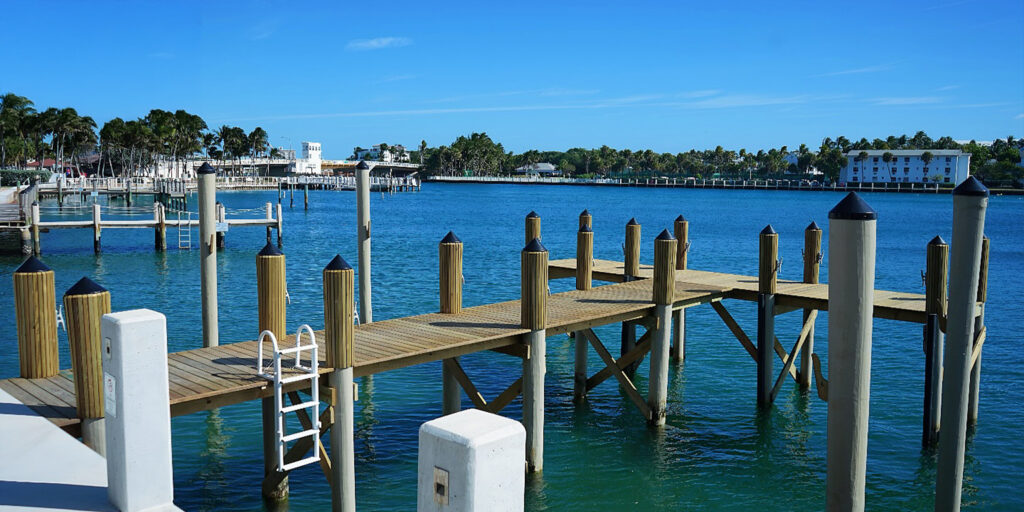
Florida’s Blue Economy is a vital and growing sector that intertwines economic development with the sustainable use of ocean and coastal resources. With over 825 miles of beaches and one of the longest coastlines in the nation, our state’s economic health is deeply tied to its waters. The Florida Blue Economy encompasses industries such as tourism, shipping, fisheries, marine science, and increasingly, sustainable coastal construction. As environmental concerns like climate change and sea level rise mount, maintaining and improving our waterfront infrastructure is more critical than ever. Florida’s Unique Coastal Challenges Our extensive coastline is both an asset and a vulnerability. Coastal erosion, sea level rise, increasing storm intensity, and poor water quality all threaten the delicate balance of Florida’s coastal ecosystems and economy. Critical habitats like seagrasses, wetlands, and mangroves are under constant pressure, diminishing not only biodiversity but also the natural storm protection these ecosystems provide. Addressing these threats requires innovative solutions that support economic growth while preserving our invaluable coastal resources. The Importance of Durable, Eco-Conscious Waterfront Construction Sustainable waterfront infrastructure is at the heart of protecting Florida’s economy and environment. High-quality docks, seawalls, retaining walls, and boat lifts do more than enhance waterfront properties; they serve as the first line of defense against erosion, flooding, and storm damage. By using marine-grade materials and construction methods that consider ecological impact, we ensure that waterfront development does not come at the expense of the environment. In fact, smart marine construction plays a vital role in stabilizing shorelines, supporting marine life, and safeguarding coastal communities. How We Help Secure Florida’s Coastlines With over 20 years of marine construction experience, we at Dock Experts are committed to advancing Florida’s Blue Economy through sustainable and resilient waterfront solutions. Our expertise covers: We don’t just build structures; we build confidence for homeowners, businesses, and communities who depend on reliable waterfront access and protection. How Our Infrastructure Protects Homes, Businesses, and Tourism Florida’s tourism sector heavily relies on beautiful, accessible, and safe waterfronts. Properly maintained docks, seawalls, and coastal infrastructure not only protect private properties but also preserve public spaces like beaches and parks. Our strong infrastructure reduces economic disruptions caused by storm damages, supports recreational and commercial boating industries, and keeps the hospitality sector thriving. As the Florida Blue Economy grows, investing in resilient marine construction becomes essential to sustaining the very assets that drive economic prosperity. Our Vision for a Stronger, More Sustainable Florida Organizations like the Florida Ocean Alliance emphasize the need for strategic action to protect and grow the Blue Economy. Smart coastal development, supported by partners like us, is pivotal. By choosing eco-conscious materials, designing for resilience, and committing to regular maintenance, we believe Florida can continue to lead the nation in ocean-based economic growth while protecting its precious natural resources. Partnering for a Better Coastal Future The Florida Blue Economy is more than a financial engine; it’s a promise of a thriving, sustainable future. By investing in durable, environmentally friendly waterfront infrastructure, you can contribute to Florida’s long-term prosperity. At Dock Experts, we’re ready to help secure that future by delivering superior construction, maintenance, and consultation services to meet our state’s evolving coastal needs. Ready to secure your shoreline? Book an appointment today!
Why You Need a Waterfront Permit Before Starting Marine Construction in Florida

Why You Need a Waterfront Permit Before Starting Marine Construction in Florida Owning a waterfront property in Florida is a dream for many—and it’s easy to see why. With beautiful views, private access to the water, and the opportunity to build a dock, boat lift, or seawall, it’s an investment in both lifestyle and property value. But before you break ground or start repairs, there’s one critical step that can’t be overlooked: securing a waterfront permit. Permits might not be the most exciting part of marine construction, but they are absolutely essential. Here’s why skipping this step can cost you—and how The Dock Experts make the entire process simple and stress-free. What Is a Waterfront Permit & Why It Matters A waterfront permit is an official approval required before starting any construction, repair, or upgrade project along Florida’s shoreline or water-adjacent properties. Whether you’re building a brand-new dock or reinforcing a seawall, state and local regulations require permits to ensure your project doesn’t negatively impact the environment, neighboring properties, or public waterways. Permits help protect Florida’s delicate marine ecosystems, maintain shoreline stability, and ensure your structure is built safely and to code. Without one, you risk fines, construction delays, or worse—being forced to tear down an unpermitted build. Common Structures That Require Permits Most waterfront construction projects in Florida will require a permit, especially if they alter the shoreline or water access in any way. This includes: Even if your project seems small, if it touches water or affects shoreline conditions, chances are you’ll need a permit. What Happens If You Skip the Permitting Process? It might be tempting to skip the red tape and just start building—but this shortcut comes with serious consequences. Failing to secure a waterfront permit can lead to: Avoid letting small issues turn into costly repairs. If your property is already showing signs of damage—or if you’ve inherited un-permitted work—we’re here to help. Our team offers full-service Dock Repair and Seawall Reinforcement to restore safety and stability. Need to bring an existing structure up to code? Our Permit Help Services cover everything from new builds to retroactive compliance, ensuring your project meets all regulations. How Dock Experts Simplify the Permitting Process At Dock Experts, we believe marine construction should be exciting—not exhausting. That’s why we offer full-service permit acquisition and ordinance compliance support. Our services include: From start to finish, we manage the details so you can focus on what matters: enjoying your waterfront. Your Next Step Toward a Compliant, Worry-Free Waterfront ProjectIf you’re planning marine construction or upgrades on your property, don’t wait to get compliant. Let Dock Experts make the process seamless—from permits to pilings. Book an Appointment today and get your waterfront project started the right way.
The Cost of Neglecting Seawall Repairs: What Erosion Could Be Doing to Your Foundation

The Cost of Neglecting Seawall Repairs: What Erosion Could Be Doing to Your Foundation No matter your waterfront property type, your seawall is one of the most critical pieces of infrastructure on your property. It acts as a protective barrier against erosion, storm surges, and rising tides — helping to maintain the integrity, value, and usability of your waterfront space. Ignoring the early warning signs of damage can lead to costly consequences, including structural failure, land loss, and unusable marine equipment. In many cases, what starts as a minor crack or shift in alignment can escalate into total failure if seawall erosion repair is delayed. Understanding the Role of a Seawall Seawalls are more than just barriers between land and water — they are essential infrastructure for any waterfront property. Without proper upkeep, these critical structures can become the source of significant problems, both structurally and financially. Preserving Usable WaterfrontA seawall helps retain soil, protect walkways, support docks, and define the boundary between water and land. Without it, erosion can eat away at valuable land — shrinking your usable space, threatening nearby structures, and limiting access for boats and marine operations. Preventing Liability and Operational DisruptionUnaddressed erosion doesn’t just affect your own property — it can lead to sediment runoff, dock instability, and hazards to navigation. Leaning walls, sinkholes, and shifting land pose safety risks and can disrupt day-to-day operations, especially for marinas, yacht clubs, or commercial dock spaces. Erosion’s Effect on Your Property Erosion doesn’t just gradually wear down the shoreline — it directly affects everything built around it. Once a seawall begins to fail, the surrounding land and infrastructure quickly follow. What may seem like a cosmetic crack or minor soil shift can evolve into significant property loss, safety concerns, and major repair costs. Soil Displacement and Support LossWhen a seawall weakens, the ground behind it can begin to shift or settle. This impacts everything built nearby — whether it’s dock piles, gangways, or concrete loading pads. Left unaddressed, even minor erosion can lead to major structural issues. Risk to Docks, Retaining Walls, and Adjacent InfrastructureSeawall failure often spreads. Once erosion sets in, it can destabilize dock supports, compromise boat lifts, and put adjacent retaining walls at risk. This domino effect leads to higher repair costs and extended downtime for anyone relying on safe waterfront access. Seawall Erosion Repair: An Investment, Not an Expense While repairs can seem like an added expense, investing in timely seawall erosion repair is one of the smartest financial decisions a waterfront property owner can make. It prevents bigger costs down the line, preserves the usability of your property, and ensures you stay compliant with safety and marine standards. Cost Comparison: Preventive Repairs vs. Full ReconstructionEarly seawall erosion repair is typically localized and far less expensive than rebuilding an entire system. Small repairs might involve filling voids, sealing cracks, or adding drainage. Ignoring the problem, however, can lead to full wall collapse — requiring heavy equipment, permitting delays, and a complete structural overhaul. Operational Continuity and Long-Term SavingsA well-maintained seawall ensures consistent use of your waterfront space — whether it’s for docking, storage, or marine transport. Routine repairs help avoid lengthy disruptions and maintain access, which is especially important for commercial or community-based marine environments. Why Choose Dock Experts? When it comes to safeguarding your waterfront from erosion and structural failure, choosing the right marine contractor makes all the difference. At Dock Experts, we combine local knowledge with engineering precision to deliver seawall erosion repair solutions that are both effective and enduring. Certified Coastal Marine ContractorsDock Experts is trusted throughout South Florida for seawall inspections, repairs, and rebuilds. We understand the unique challenges of local waterways, shifting soils, and saltwater exposure — and we tailor every project to meet the specific conditions of your property. Engineered Materials, Built to LastWe use only marine-grade components designed for the toughest environments — from concrete and composite paneling to stainless steel hardware and professional-grade sealants. Our team ensures your repair is not only durable, but also compliant with the latest marine and environmental codes. Book a Consultation to Protect Your Investment Water doesn’t wait — and neither should you. Whether your seawall supports a dock, defines your shoreline, or protects commercial assets, staying ahead of erosion is the smartest way to avoid major repairs and extend the life of your entire waterfront system. We deliver complete solutions across your waterfront — from comprehensive dock services, to boat lift installation and repair, to retaining wall stabilization and marine-grade concrete restoration Book an appointment with the Dock Experts today — and protect your waterfront for the long haul.
Coastal Resiliency Solutions: Protecting Your Dock and Waterfront Property from Rising Sea Levels
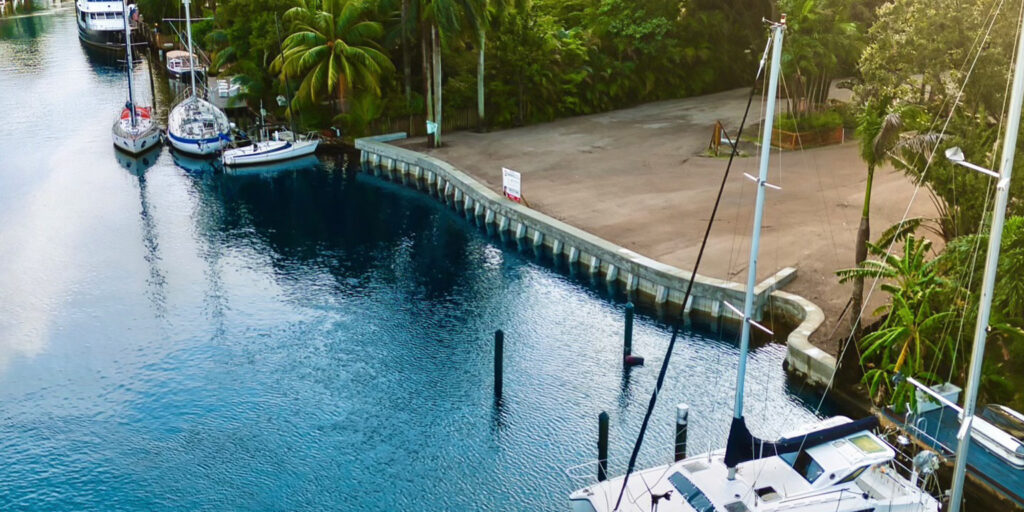
Coastal Resiliency Solutions: Protecting Your Dock and Waterfront Property from Rising Sea Levels The Growing Need for Coastal Resiliency Solutions As waterfront property owners, we’ve all noticed the changes—higher tides, stronger currents, and rising water levels creeping closer to our docks and shorelines. Rising sea levels are no longer a distant concern; they are happening now, impacting docks, seawalls, and coastal infrastructure across Florida and beyond. At The Dock Experts, we provide coastal resiliency solutions to help property owners protect their investments against long-term environmental changes. As water levels continue to rise, docks and seawalls require critical upgrades to withstand frequent tidal flooding, saltwater intrusion, and shoreline erosion. Without proper reinforcements, these structures become increasingly vulnerable to deterioration, instability, and costly repairs—making proactive solutions more important than ever. How Rising Sea Levels Impact Your Dock & Seawall Many waterfront property owners focus on short-term maintenance, but few consider how long-term environmental changes will affect their dock and seawall. The impact of rising sea levels is gradual but undeniable: If you’ve noticed these changes around your property, it’s time to explore coastal resiliency solutions that reinforce and protect your dock and seawall for years to come. Coastal Resiliency Solutions: What Are Your Options? There are several ways to improve the resilience of your dock and seawall, but not all solutions offer the same level of long-term protection. Raising Seawalls to Adapt to Higher Water Levels One of the most effective ways to combat rising sea levels is to raise the height of your seawall. Older seawalls were built to withstand water levels from decades ago—but as tides rise, they become increasingly ineffective. Reinforcing Dock Piles for Longevity Wooden dock piles are particularly vulnerable to rising water levels. As they remain submerged for longer periods, they experience faster rot and deterioration. Upgrading to composite, concrete, or steel piles significantly increases durability and ensures your dock remains stable despite rising tides. Installing Drainage Systems to Reduce Hydrostatic Pressure As sea levels rise, trapped water behind seawalls becomes a bigger problem. Hydrostatic pressure builds up, leading to cracks, bowing, and structural instability. Adding weep holes and drainage systems allows water to flow safely, preventing costly seawall damage. Upgrading to Resilient Dock Materials Traditional wood docks absorb water, warp over time, and require frequent maintenance. Switching to composite decking or reinforced aluminum docks creates a more durable, low-maintenance structure that withstands rising tides and prolonged water exposure. Why Acting Now is Critical Rising sea levels won’t wait—and neither should you. As tides creep higher each year, the cost of inaction only increases. Delaying necessary dock and seawall upgrades can lead to: The good news? Taking proactive steps now can save you thousands in future repairs and increase the longevity of your waterfront property. Investing in coastal resiliency solutions today ensures your dock and seawall remain stable and effective for decades to come. Protect Your Waterfront Property with The Dock Experts At The Dock Experts, we specialize in seawall and dock upgrades that prepare your property for the future. Whether you need a seawall height increase, reinforced dock piles, or advanced drainage solutions, our team provides expert craftsmanship and marine-grade materials built to withstand rising sea levels. Don’t wait until the next high tide—Book an appointment with us today!
Seawalls: The Ultimate Flood Barrier and Tidal Protection for Coastal Properties

Seawalls: The Ultimate Flood Barrier and Tidal Protection for Coastal Properties As coastal communities in Broward County face increasing threats from storm surges, tidal flooding, and coastal erosion, the need for effective flood barriers and tidal protection has never been greater. Seawalls provide a critical defense against these challenges, helping to protect waterfront properties, docks, and marinas from long-term damage. At Dock Experts, we specialize in seawall construction, maintenance, and repair, ensuring that your property remains secure against rising tides and extreme weather events. Whether you need a new seawall installation or want to reinforce an existing one, investing in strong flood barriers is essential for long-term coastal resilience. Why Seawalls Are Essential for Flood and Tidal Protection 1. Acts as a Reliable Flood Barrier Seawalls serve as a physical barrier against coastal flooding, helping to prevent storm surges and king tides from inundating properties. By installing a durable seawall, waterfront homeowners and businesses can reduce flood risks and minimize damage during hurricanes and heavy rainstorms. 2. Provides Effective Tidal Protection With sea level rise and stronger tidal movements, properties without adequate protection are vulnerable to erosion and flooding. Seawalls help regulate tidal forces by absorbing wave energy and preventing excessive water intrusion, ensuring stability for docks, bulkheads, and waterfront structures. 3. Prevents Shoreline Erosion Erosion is one of the biggest threats to waterfront properties. Without a strong seawall, soil can wash away over time, weakening foundations and increasing the risk of structural damage. Seawalls act as a long-term erosion control measure, protecting both land and infrastructure. 4. Strengthens Coastal Resilience Broward County is committed to enhancing coastal resilience through infrastructure improvements and sustainable shoreline protection strategies. Seawalls play a vital role in this effort, ensuring properties remain safe from rising sea levels and extreme weather. Types of Seawalls for Maximum Flood and Tidal Protection Choosing the right seawall design is essential for optimal flood defense. Here are some of the best options: 1. Concrete Seawalls – The Ultimate Flood Barrier 2. Vinyl & Composite Seawalls – Corrosion-Resistant Tidal Protection 3. Riprap (Rock) Seawalls – Natural Wave Absorption 4. Steel Seawalls – Heavy-Duty Defense Against Storm Surges Seawall Maintenance: Keeping Your Flood Barrier Strong Even the most durable seawalls require regular maintenance to ensure continued tidal protection. Watch for these signs of wear and tear: At Dock Experts, we offer comprehensive seawall inspections, repairs, and reinforcements to keep your flood barriers strong and effective year-round. Protect Your Waterfront Property with Dock Experts With rising sea levels and stronger tidal activity, seawalls are one of the most effective flood protection solutions for waterfront properties. Whether you need new construction, maintenance, or reinforcement, Dock Experts provides custom seawall solutions that align with Broward County’s coastal resilience goals. Don’t wait until the next storm—secure your property with a reliable seawall today! 📞 Contact us now for a consultation and let’s build a stronger, safer waterfront together!
The Ultimate Guide to Seawall Maintenance and Repair
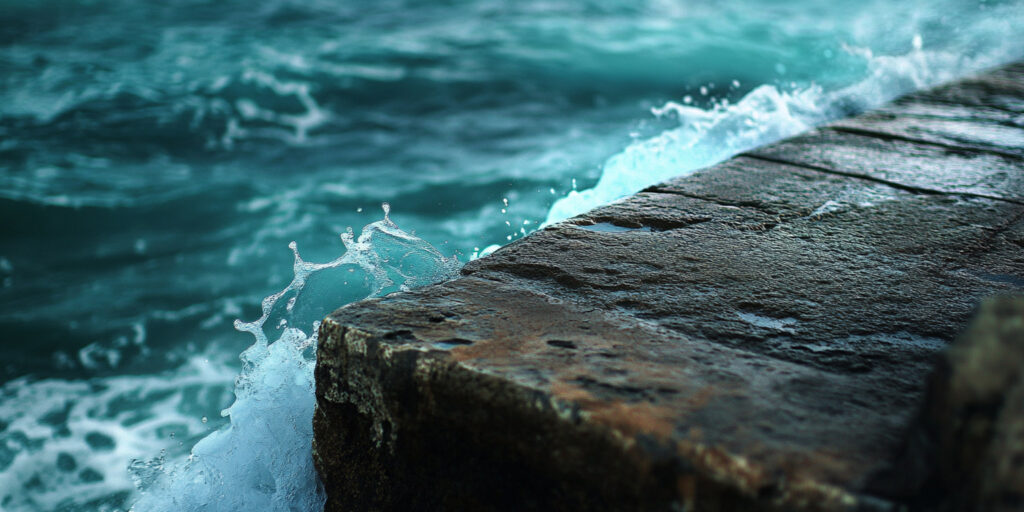
The Ultimate Guide to Seawall Maintenance and Repair At The Dock Experts, we understand how essential seawalls are for safeguarding waterfront properties. These structures protect against erosion, flooding, and the challenges posed by rising water levels. With proper maintenance and repair, a well-designed seawall not only preserves property value but also enhances shoreline stability and the surrounding environment. As specialists in seawall construction, repair, and reinforcement, we’ve seen firsthand how regular care and timely interventions can extend the life of these critical structures. Here’s everything you need to know about common seawall issues, effective solutions, and preventive strategies to keep your seawall performing at its best. Understanding the Challenges Facing Your Seawall Cracks and Spalling in Seawalls Over time, seawalls can develop cracks or experience spalling—where surface layers of concrete chip or flake away. These issues often result from constant exposure to saltwater, freeze-thaw cycles, or structural stress. At The Dock Experts, we use marine-grade materials to address these problems, restoring the integrity of your seawall before they worsen. Erosion and Hydrostatic Pressure Erosion around a seawall’s base gradually compromises the soil needed to support its foundation, while hydrostatic pressure builds up when water trapped behind the wall has no outlet. This combination can lead to bulging, cracking, or even structural failure. We specialize in installing drainage systems to relieve this pressure and stabilize the surrounding soil. Foundation Instability Leaning, bowing, or settling seawalls are clear indicators of foundation instability, often caused by erosion or inadequate initial support. When these signs appear, prompt action is crucial. Our team employs proven techniques to reinforce foundations and restore stability. The Dock Experts Solutions to Restoring Your Seawall Repairing Cracks and Deterioration with Marine-Grade Materials To combat damage caused by harsh coastal conditions, we repair cracks and spalling using durable, marine-grade sealants and concrete. These materials are designed to withstand the elements, ensuring your seawall remains strong and reliable. Raising Seawalls to Meet Modern Water Levels Outdated seawalls are particularly vulnerable to flooding as water levels rise. Our experts can raise your seawall to modern standards, providing enhanced protection against high tides, storm surges, and climate change impacts. Installing Advanced Drainage Systems Weep holes and drainage systems are essential for reducing hydrostatic pressure behind seawalls. By allowing water to escape safely, these systems prevent excessive stress and protect the structural integrity of seawalls. Proven Strategies to Protect and Maintain Your Seawall At The Dock Experts, we don’t just repair seawalls—we help you maintain them for the long haul. Routine Inspections and Maintenance Regular inspections are key to catching minor issues before they escalate. Our maintenance plans are tailored to identify and address cracks, erosion, and other potential problems early, saving you time and money. Stabilizing Soils and Adjacent Structures Soil erosion near seawalls can destabilize adjacent structures like patios, pavers, or retaining walls. Our team reinforces soils and stabilizes these areas to prevent movement and ensure a strong foundation for your seawall. Adapting to Climate Change Rising sea levels and extreme weather demand proactive upgrades to seawalls. We specialize in elevating seawalls and using advanced materials to adapt to changing conditions, giving you peace of mind for the future. Let The Dock Experts Maintain your Seawall As specialists in seawall construction, repair, and reinforcement, we take pride in delivering long-lasting solutions tailored to your needs. A properly maintained seawall is an investment in your property’s safety and value, and our team is here to help every step of the way. Don’t let minor seawall issues turn into costly repairs. Book your seawall inspection today and ensure your shoreline is protected for years to come!
What visual signs can you look for to see if your seawall has issues?
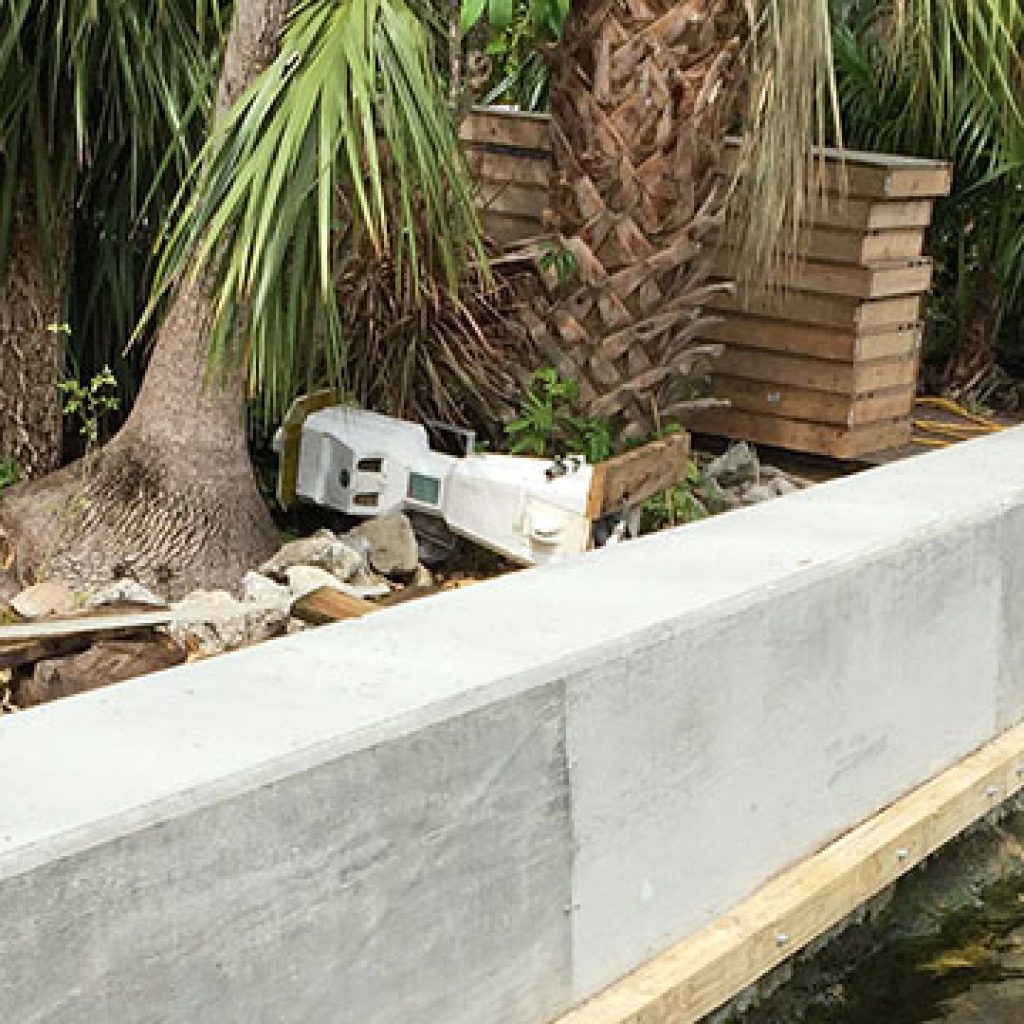
Do you see cracks in your cap or in your retaining wall? If you stand at one end of your seawall and look down the seawall do you see anything other than a perfectly strait concrete edge? Are you loosing sediment or soil near your seawall? Does your yard seem to be sinking near your seawall? If you can get a probing bar under your seawall panel at low tide with less than a foot of the bar inserted into the ground you may have a undermined seawall and you should consult with us right away. If you answer yes to any of these question, don’t hesitate to call us for a complimentary consultation.