
Retaining Wall and Dock Installation: Which Should Come First?

Planning improvements along your waterfront can raise an important question: should your retaining wall or dock installation come first? Although both projects can contribute to a more functional waterfront, they serve different purposes, and there is no universal order that works for every property. Shoreline conditions, erosion concerns, the location of the future dock, site access, and the scope of each project can all influence how the work should be approached. At The Dock Experts, we believe the best place to start is by looking at the waterfront as a whole rather than treating each improvement as an isolated project. Understand That the Two Structures Have Different Jobs A dock is primarily about creating access to and use of the water. Depending on its design and the property, it may provide space for boarding a boat, fishing, relaxing, swimming access, or simply enjoying the waterfront more conveniently. Its placement therefore depends heavily on factors such as water access, shoreline configuration, and how the property owner intends to use the space. Planning a dock begins with those functional goals and the physical characteristics of the waterfront. A retaining wall, by comparison, is concerned with the land rather than serving as an access structure over the water. That difference matters because the need for one should not be determined simply by the fact that a dock is being installed nearby. Instead, each feature should have a defined purpose within the overall waterfront plan. By understanding what problem each project is intended to solve, property owners can avoid treating two distinct improvements as though one must automatically accompany the other. Next, Evaluate the Condition of Your Shoreline The shoreline itself can provide valuable clues about where a waterfront project should begin. Areas with noticeable soil loss, changing grades, exposed roots, unstable slopes, or sections of bank that appear to be washing away deserve attention during the planning process. These conditions do not automatically mean one particular solution is required, but they can affect how improvements along the water should be designed and sequenced. A waterfront that is already changing may present very different planning considerations from a shoreline that has remained relatively stable. This is where a retaining wall may become part of the larger conversation. Its role is generally associated with holding back soil and managing differences in ground elevation, so its relevance depends on the conditions and layout of the property. When shoreline stabilization work is appropriate, understanding that scope before moving ahead with nearby construction can provide a clearer picture of how the waterfront will ultimately be arranged. The important point is not to assume that every dock needs this type of structure, but to determine whether the surrounding land presents issues that should be addressed as part of the project. Why Project Order Can Matter When multiple waterfront improvements are planned, the order of construction can influence how efficiently the site is approached. Contractors may need room to move materials, operate equipment, reach the shoreline, or work within a relatively confined area between the home, bank, and water. Completing one improvement without considering the access requirements of the next could potentially make later work more complicated. Looking at the complete project beforehand allows these practical considerations to become part of the plan instead of an afterthought. The final layout is equally important when deciding whether a retaining wall should be completed before, after, or separately from a dock project. The location of stairs, paths, landings, shoreline access points, and other property features may affect how people move between the land and the dock once construction is complete. Thinking through those connections early can produce a waterfront that feels intentionally planned rather than assembled one project at a time. This is especially valuable when several improvements will occupy the same limited stretch of shoreline. Look Beyond What You Can See at the Water’s Edge Some of the most important waterfront planning considerations are not immediately obvious from a quick look at the shoreline. Changes in elevation, drainage patterns, soil characteristics, and the way water moves across or against the property can all affect conditions along the bank. A shoreline that appears relatively straightforward from above may have site characteristics that become more important once a project is being planned. For that reason, visual appearance alone should not determine which improvement receives priority. Water management deserves particular attention because water can influence the land from more than one direction. Rain and runoff can move downhill toward the shoreline, while waves, fluctuating water levels, and other waterfront conditions can affect the bank from below. Where a retaining wall is being considered, these forces should be evaluated as part of the broader site rather than viewing the structure as a standalone feature. This deeper assessment helps distinguish between a project that is primarily about creating better water access and one that also needs to account for conditions on the land. Coordinate the Waterfront Instead of Planning Two Separate Projects It can be tempting to approach shoreline work as a checklist: finish one structure, then begin thinking about the next. However, that approach may overlook opportunities to coordinate dimensions, access, elevations, and the way different areas of the property connect. Even when projects are completed at different times, knowing the long-term plan can help prevent an earlier decision from unnecessarily limiting future options. The goal is to think beyond the immediate construction project and consider how the waterfront is expected to function once all planned improvements are complete. This broader planning process is also useful when budgets or timelines require work to happen in phases. A property owner may decide to complete the most pressing improvement first while preparing for another project later, rather than trying to accomplish everything at once. Having a clear picture of the intended finished waterfront makes those phases easier to organize and helps preserve flexibility for future work. Good sequencing is therefore not simply about deciding which contractor arrives first; it is about making sure each stage supports
Boat Dock Inspection: Guide your Repairs

Waterfront structures are exposed to some of the harshest conditions imaginable. Constant moisture, changing water levels, storms, saltwater exposure, and everyday use all contribute to gradual wear that can affect both the appearance and structural integrity of a dock. While some damage is easy to recognize, many issues develop beneath the surface long before they become visible. A professional boat dock inspection provides the insight needed to fully understand your dock’s condition before repairs, upgrades, or additions are considered, helping ensure every decision is based on accurate information rather than assumptions. At The Dock Experts, every successful project begins with a comprehensive inspection because we believe informed decisions produce better long-term results. By evaluating the complete structure before recommending any work, we help property owners understand what their dock truly needs and why. This approach allows us to recommend practical solutions that protect your investment while avoiding unnecessary work. Whether your project involves repairs, restoration, or expanding your waterfront access, we begin with a thorough understanding of the existing structure. Why Every Dock Project Begins with a Boat Dock Inspection Beginning a project without first evaluating the condition of the dock can lead to costly mistakes. Visible damage may only represent a small portion of the overall problem, while the underlying structure could reveal issues that are not immediately apparent. Weather exposure, age, shifting foundations, and continuous water movement can all affect how different parts of the dock perform together over time. A professional boat dock inspection helps establish a complete picture before any recommendations are made, allowing the project to move forward with confidence. Making assumptions based solely on surface conditions often results in repairs that address symptoms instead of the actual cause of deterioration. Replacing damaged decking, for example, may improve appearance, but underlying framing or support systems could continue deteriorating if they are not properly evaluated. Starting with an inspection allows us to determine whether isolated repairs are appropriate or whether more comprehensive structural improvements should be considered. This ensures every recommendation is supported by the actual condition of the dock rather than guesswork. An inspection also establishes a clear scope of work before construction begins. Understanding the condition of the existing structure allows project planning, budgeting, and scheduling to be based on accurate information instead of unexpected discoveries during construction. This creates a smoother project for property owners while providing greater confidence that the selected solution addresses both immediate concerns and the dock’s long-term performance. What We Evaluate During a Boat Dock Inspection Every boat dock inspection performed by The Dock Experts evaluates the dock as a complete structural system rather than focusing on one isolated component. We begin by examining the condition of the decking, looking for signs of wear, movement, deterioration, loose boards, and areas where the walking surface may no longer provide safe or reliable access. While surface materials are often the most visible part of the dock, they represent only one aspect of the overall structure. Our goal is to understand how every component contributes to the dock’s performance. Beyond the decking, we carefully evaluate the framing, pilings, structural supports, hardware, and fasteners that provide the dock’s strength and stability. These components are continually exposed to environmental conditions that can contribute to corrosion, marine deterioration, movement, or gradual weakening over time. We also assess signs of settlement, shifting, or changes in structural alignment that may indicate developing issues beneath the surface. Evaluating these supporting elements provides a much more complete understanding of the dock’s overall condition than visual observations alone. Environmental exposure also plays an important role during the inspection process. We look for evidence of water damage, marine growth, weather-related deterioration, and other conditions that may influence the dock’s long-term performance. Rather than evaluating individual components independently, we consider how the entire structure works together under normal operating conditions. This comprehensive assessment provides the information needed to make informed recommendations based on the dock’s overall structural integrity. How Inspections Lead to Better Repair Decisions Once the inspection is complete, the findings provide the foundation for determining the most appropriate course of action. Some docks may only require targeted repairs to address isolated areas of deterioration, while others may benefit from structural reinforcement or more extensive restoration. Because every waterfront structure ages differently, the inspection allows recommendations to be tailored to the specific condition of the dock rather than applying the same solution to every project. This results in repair strategies that are both practical and cost-effective. Inspection findings also help determine whether services such as dock resurfacing, dock framing repair, piling reinforcement, or dock restoration will provide the greatest long-term value. In situations where structural deterioration has progressed beyond practical repair, replacement may ultimately represent the safest and most economical option. These decisions should always be based on the condition of the structure itself rather than assumptions about its appearance or age. A detailed evaluation ensures every recommendation aligns with the dock’s current needs and future performance. Planning Dock Additions and Upgrades with Confidence Inspections are equally important when expanding or upgrading an existing dock. Adding features such as boat lifts, floating dock systems, expanded platforms, or additional docking space changes the loads placed on the existing structure. Before these improvements are designed, it is important to understand whether the current dock has the structural capacity to safely support the proposed additions. Evaluating the existing condition allows new features to be incorporated with confidence rather than introducing unnecessary risk. At The Dock Experts, we use inspection findings to help guide future improvements while preserving the integrity of the existing structure whenever possible. Understanding how the dock currently performs allows additions to be planned in a way that complements the original construction instead of placing unexpected stress on aging components. This thoughtful planning helps create waterfront improvements that are functional, durable, and built to perform reliably for years to come. Start Every Waterfront Project with a Boat Dock Inspection Every successful waterfront project begins with understanding the condition of the structure
Dock Piling Depth: Why it Matters for Waterfront Stability
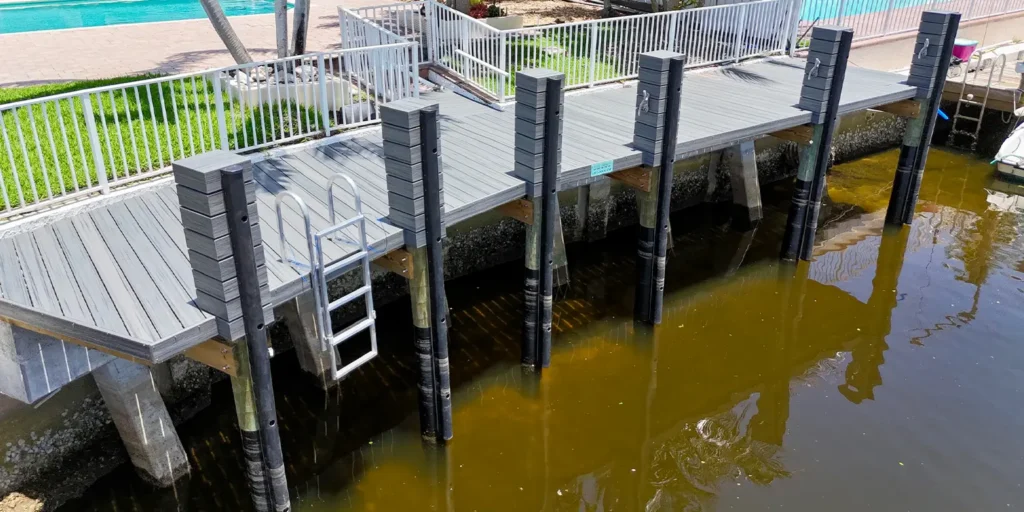
A strong dock should feel steady, reliable, and built for the conditions around it. In South Florida, that means accounting for more than the surface of the dock itself. Tides, boat wakes, shifting coastal soils, and everyday use all place pressure on a waterfront structure in ways property owners may not always see. The stability of the dock depends heavily on the pilings below it, including how those pilings are placed beneath the waterline. That is where dock piling depth becomes an important part of the conversation. At The Dock Experts, we look beyond the visible structure to understand how the foundation will support the dock over time. The right approach depends on the property, the water conditions, the type of dock, and how the space will be used. By understanding what happens below the surface, property owners can better see why piling planning plays such an important role in long-term waterfront stability. What Is Dock Piling Depth? Dock piling depth refers to the portion of a piling that is driven or set into the ground beneath the water. It is not the same as the total piling length, because part of the piling remains above the waterline to support the dock structure. The depth is measured by how far the piling extends into the soil or seabed below the dock. This measurement helps determine how securely the piling can support the structure above it. The right depth depends on what the piling needs to support and the conditions beneath the water. A dock built in shallow, protected water may have different depth needs than one located in a deeper or more active waterfront area. Soil type also matters because loose, sandy, or softer ground may require a different approach than firmer subsurface conditions. This is why dock piling depth is determined by the site itself, not by a universal number. For property owners, understanding this term helps clarify why piling planning is such a specific part of marine construction. It is not simply a matter of placing pilings into the water and building on top of them. The depth has to work with the dock design, the surrounding water conditions, and the expected use of the structure. At The Dock Experts, we evaluate those details so the piling plan supports the dock from the ground up. Why Dock Piling Depth Affects Waterfront Stability Waterfront structures are exposed to constant movement, even in calm conditions. Boat wakes, changing tides, wind-driven water movement, and everyday activity all place stress on a dock over time. The dock needs a foundation capable of responding to those conditions without excessive shifting or instability. That is one of the reasons why dock piling depth matters when planning for long-term waterfront performance. A deeper piling embedment helps distribute structural loads into the ground beneath the dock rather than concentrating stress in one area. This becomes especially important for docks that experience regular foot traffic, vessel activity, or additional structural loads from accessories like seating areas and lifts. The goal is not simply to support the visible dock surface, but to create a system that can handle repeated environmental pressure over time. Proper foundational support helps the structure remain more consistent as surrounding waterfront conditions change throughout the year. Stability also becomes more important in active marine environments where docks experience ongoing movement from boating activity. Larger vessels and frequent traffic can create repeated lateral pressure against pilings throughout the day, particularly in busy canals or open-water locations. Over time, those forces can affect how the structure responds to the environment around it. By carefully evaluating piling placement and depth, waterfront structures can be planned with those long-term conditions in mind rather than focusing only on immediate construction needs. Factors That Influence Dock Piling Depth Several factors influence how piling depth is planned for a waterfront structure. One of the most important is the condition of the soil beneath the waterline. Some waterfront properties contain compact and stable ground conditions, while others may have softer coastal soils that behave differently under structural loads. Understanding those subsurface conditions helps determine how pilings interact with the environment below the dock and what type of support may be needed for long-term performance. The overall size and layout of the dock also influence dock piling depth requirements. A smaller residential dock designed for light recreational use may not place the same demands on the structure as a larger dock built for multiple vessels or heavier activity. Boat traffic, lift systems, and intended usage all affect how the foundation is planned beneath the dock. The larger and more active the waterfront structure becomes, the more important it is to evaluate how loads will be distributed throughout the system. Environmental conditions play a role as well, especially in South Florida marine settings where water movement and boating activity are part of everyday waterfront life. Open-water properties may experience different conditions than protected canals or inland waterways, and those differences can influence how marine piling depth is approached. At The Dock Experts, we evaluate each waterfront property individually because piling depth should reflect the actual conditions of the site rather than relying on a generalized approach. Dock Piling Depth and Boat Lift Support Boat lifts introduce additional structural demands that need to be considered during dock planning. Unlike a standard dock surface designed primarily for foot traffic, a boat lift concentrates substantial weight into specific areas of the structure. Larger vessels can create significant downward force when raised above the waterline, which is why foundational support becomes especially important in these applications. Evaluating dock piling depth for boat lifts helps ensure the structure is planned around those added loads from the beginning. Weight distribution is one of the key factors involved when planning for lift-supported docks. The pilings beneath the structure help transfer the weight of the vessel, lift system, and dock into the supporting ground below the waterline. Depending on the size of the boat and how the lift will be used,
Dock Restoration: Restore Strength and Style
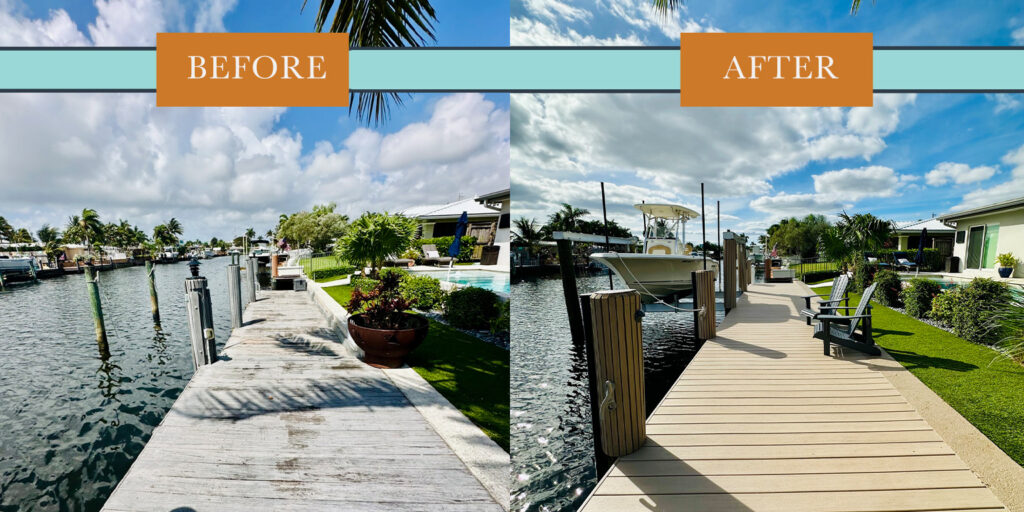
A damaged dock does more than affect the appearance of your waterfront property. It can limit access to the water, reduce safety, and create larger structural problems that become more expensive over time. At The Dock Experts, we approach Dock Restoration as a practical, long-term solution for property owners who want to improve safety, restore function, and extend the life of their investment without jumping straight to full replacement. As a trusted dock builder serving South Florida, we restore custom docks with durable materials, engineered solutions, and a full understanding of the waterfront conditions that shape every project. Our goal is not to offer surface-level repairs that only hide the problem for a short time. We look at the full condition of the structure, from decking and framing to piles, flotation, and surrounding shoreline elements, so we can recommend the right path forward. In many cases, a well-planned restoration allows homeowners and commercial property owners to keep the dock they have while upgrading its safety, durability, and appearance. That means a better waterfront experience now and a stronger structure for the years ahead. Why Docks Begin to Deteriorate Over Time Dock damage is rarely caused by a single issue. In South Florida, waterfront structures are exposed to changing tides, intense sun, storm activity, moisture, salt, and constant wear from daily use. Over time, these conditions begin to weaken materials, compromise hardware, and expose any weak points in the original construction. When multiple stressors work together, even a dock that once seemed stable can begin to show signs of failure. Rising water levels are one of the most common threats we see. When water reaches the decking or structural components too often, it accelerates erosion, weakens support systems, and increases the risk of storm-related damage. Wood rot and decay can also take hold when docks are built with lower-grade materials or when aging components remain exposed to moisture year after year. On top of that, inadequate hardware, poor building practices, dock pile failure, and flotation problems can all reduce the integrity of the structure and make the dock unsafe to use. These problems do not always appear all at once, which is why many owners wait longer than they should to act. A loose board, a section that feels uneven, or a dock that sits lower in the water may seem minor at first, but those are often early warning signs of deeper deterioration. Addressing those issues through Dock Restoration gives us the opportunity to correct the source of the damage before it spreads to other parts of the structure. That proactive approach helps protect both your property and your long-term budget. What Dock Restoration Really Involves When we restore a dock, we do far more than replace a few visible materials. Our process starts with understanding how the dock was built, how it has been performing, and which structural components are still sound enough to remain in place. From there, we develop a restoration plan that improves safety, restores appearance, and strengthens the dock for future marine conditions. Because we are an experienced dock builder, we know that every custom dock requires a solution tailored to its location, use, and structural needs. A restoration project may include resurfacing worn decking, repairing damaged framing, replacing piles, correcting flotation issues, upgrading hardware, or improving elevation to better handle changing water levels. In some cases, we recommend composite decking materials that resist rot, splintering, and decay better than traditional wood. In others, we may reinforce the structure with marine-grade stainless steel and engineered components designed specifically for harsh marine environments. The right restoration plan depends on what your dock needs today and what it will need to remain reliable tomorrow. This is one of the reasons Dock Restoration is such a valuable service for waterfront property owners. It creates an opportunity to improve performance without automatically committing to a complete rebuild. A dock that still has a viable structural foundation may be an excellent candidate for restoration, especially when the goal is to preserve access, enhance appearance, and modernize aging materials. With the right repairs and upgrades, an older dock can once again become one of the strongest and most functional parts of your waterfront. The Value of Working With a Professional Dock Builder Not every contractor understands the demands that South Florida places on marine structures. Waterfront construction requires specialized knowledge, proper materials, and an understanding of how tides, storms, salt exposure, and shoreline conditions affect performance over time. As a professional dock builder, we bring that expertise into every restoration project, which allows us to do more than patch visible damage. We restore docks in a way that supports long-term use, compliance, and structural dependability. Our team uses premium marine-grade materials because restoration is only as strong as the products and installation methods behind it. Weak fasteners, low-quality lumber, and shortcuts in design can lead to premature failure, even after repairs have been made. That is why we focus on engineered solutions, durable components, and certified installation practices that are built to perform in real marine environments. When we restore custom docks, we do it with the same level of care and precision we bring to new dock construction. Property owners also benefit from working with a company that can evaluate the full picture instead of treating each issue in isolation. A dock may appear to need only surface improvements, but hidden problems in the framing, piles, flotation, or surrounding waterfront structures can continue causing damage if they are not addressed. Through our Dock Restoration services, we identify those underlying conditions and create a strategy that restores both form and function. That gives our clients confidence that the work being done is meaningful, not temporary. Custom Docks Require Custom Restoration Solutions Every waterfront property has different requirements, which is why we do not believe in one-size-fits-all repair plans. Residential docks, commercial docks, floating docks, and boat docks all face different loads, usage patterns, and environmental conditions. A custom dock should
Boat Lift and Dock Installation in Florida

Boat lift and dock installation requires more than basic construction skills—it demands proper engineering, marine-grade materials, and an understanding of Florida’s waterfront conditions. When docks and lifts are designed together, they function as a single system that improves safety, protects vessels, and supports long-term use. At The Dock Experts, we specialize in boat lift and dock installation projects that are built to perform in real-world coastal and inland environments. Our focus is on durability, reliability, and construction methods that hold up over time. With more than two decades of hands-on experience, our team has worked on residential and commercial waterfront properties throughout Florida. That experience allows us to anticipate challenges before construction begins and design solutions that avoid common failures. Every project is approached with careful planning and clear communication, so clients know what to expect from start to finish. The result is marine construction work that functions properly and lasts. Complete Dock Installation Services for Florida Waterfronts A successful boat lift and dock installation starts with a dock that is properly designed for the site. We build custom residential and commercial docks that account for water depth, shoreline conditions, vessel access, and long-term use. Each structure is planned to support both daily activity and the added loads created by boat lift systems. This ensures the dock remains stable and functional as part of a complete waterfront solution. Dock piling installation and structural framing play a major role in performance and safety. We install pilings to the proper depth and spacing to provide load-bearing strength and resistance to movement. Our framing systems are designed to distribute weight evenly and reduce stress on individual components. This attention to structure allows the dock to support lifts, vessels, and foot traffic without premature wear. For properties with changing water levels, floating dock systems offer added flexibility. These systems rise and fall with the water while maintaining secure access and alignment. When used as part of a coordinated boat lift and dock installation, floating docks provide reliable performance in lakes, canals, and tidal areas. Specialty dock configurations are also available for unique waterfront layouts. Boat Lift Installation Tailored to Your Vessel and Property Boat lift and dock installation should never be treated as separate decisions. The type of lift, its capacity, and its placement must work with the dock’s structure and the surrounding water conditions. We install boat lifts designed for a wide range of vessels, from small personal watercraft to large yachts and commercial boats. Each system is selected based on weight, hull shape, and how the boat will be used. Water depth, tides, currents, and dock configuration all influence which lift system performs best. Our team evaluates these factors before recommending a solution, ensuring the lift integrates cleanly with the dock and operates smoothly. Proper alignment and load distribution reduce mechanical strain and improve long-term reliability. This approach helps protect both the vessel and the dock itself. Precision during installation is critical. A properly installed boat lift keeps the vessel clear of corrosive water, reduces maintenance needs, and improves ease of use. When lifts are installed without proper planning, issues tend to appear quickly. Our process is designed to avoid those problems from the start. Why Experience Matters in Marine Construction Florida presents unique challenges for boat lift and dock installation. Saltwater exposure, shifting soils, strong weather events, and heavy vessel loads all place additional stress on marine structures. Our experience allows us to design docks and lifts that account for these conditions rather than react to them later. This proactive approach leads to stronger, longer-lasting results. We understand the permitting, engineering, and construction requirements specific to Florida waterfronts. That knowledge helps keep projects moving while ensuring compliance with local and environmental regulations. More importantly, it allows us to avoid shortcuts that can compromise safety or lifespan. Every decision is made with long-term performance in mind. Quality materials and proven installation methods are central to our work. We use marine-grade components selected for durability in harsh environments. Combined with consistent workmanship, this ensures each boat lift and dock installation meets high performance standards. Experience is what ties all of these elements together. Our Process From Design to Completion Every boat lift and dock installation begins with a detailed consultation and site evaluation. We review the property layout, vessel requirements, and water conditions to develop a practical construction plan. This early planning phase helps identify potential challenges and set clear expectations. It also ensures the final design supports both immediate needs and future use. We manage engineering, permitting, and scheduling as part of our full-service process. Waterfront construction in Florida often involves multiple approvals, and we handle that coordination to reduce delays. Throughout the project, we maintain clear communication so clients understand progress and timelines. This keeps the project organized and predictable. Once construction is complete, we perform final testing and a walkthrough to confirm proper operation. All dock and lift components are checked for alignment, stability, and function. The project is only complete once the system is ready for safe, reliable use. This final step ensures confidence in the finished installation. Residential and Commercial Marine Solutions Across Florida We provide boat lift and dock installation services for homeowners, marinas, and commercial waterfront facilities throughout Florida. Each project is designed to fit the specific environment, whether it’s a private canal, inland waterway, or exposed coastal location. Our ability to adapt designs to different conditions allows us to deliver consistent results across the state. This flexibility is essential for long-term performance. Residential clients rely on us for docks and lifts that improve daily access and protect their boats. Commercial clients depend on durable systems that handle heavier use and larger vessels. In both cases, the goal is the same: safe, dependable marine infrastructure. Long-standing client relationships reflect the reliability of our work. Trusted Boat Lift and Dock Installation Starts Here Boat lift and dock installation is an investment in both your property and your vessel. Choosing a contractor with the right experience and
How can I find a reliable dock expert in my area?

Finding a reliable dock expert is crucial for maintaining your waterfront property. A well-built dock enhances safety and longevity. But how do you find the right professional? The process can seem daunting. With so many options, it’s hard to know where to start. You need someone skilled and trustworthy. This guide will help you navigate the search. We’ll cover key qualifications and how to evaluate potential experts. You’ll learn what questions to ask and how to compare services. By the end, you’ll be equipped to make an informed decision. Your dock will be in good hands, ensuring years of enjoyment and peace of mind. Why Hiring a Reliable Dock Expert Matters Hiring a reliable dock expert is essential for the safety and durability of your dock. Experts ensure proper installation and maintenance, reducing the risks of structural failure. A professional dock builder brings valuable insights into design and construction. They select the best materials suited to local conditions. This expertise extends the lifespan of your dock, saving you money in the long term. Consider these benefits of hiring a reliable expert: Ensures compliance with safety and regulatory standards Provides quality workmanship and materials Offers comprehensive maintenance solutions Choosing the right expert also means getting someone who understands environmental impacts. They utilize eco-friendly materials and methods, which are critical for preserving the natural beauty of waterfront areas. Key Qualifications and Certifications to Look For When searching for a dock expert, qualifications and certifications are crucial. They signal a professional’s competence and adherence to industry standards. Look for experts who are certified by reputable marine construction associations. These certifications ensure the individual has received adequate training in dock building and maintenance. Key qualifications and certifications include: Certification from Marine Construction Industry Association Professional training in marine engineering or construction Membership in relevant professional organizations Additionally, it’s important to verify a dock builder’s insurance and bonding. This protects you from liability in case of accidents during construction. Also, check if they have ongoing training in the latest building techniques. This ensures they are up-to-date with modern practices and materials, enhancing the quality and durability of your dock. Where to Search for Dock Experts Near You Finding a reliable dock expert requires knowing where to look. Start by visiting local marinas and boating clubs. These places often have connections with trusted dock builders. Another great resource is waterfront associations. They can recommend dock experts familiar with your area’s specific needs. These experts understand local environmental conditions and compliance requirements. You can also explore online platforms and directories. Websites focusing on home improvement or marine services often have lists of professionals. Be sure to check ratings and reviews for firsthand accounts of past client experiences. Here’s a list of where to start your search: Local marinas and boating clubs Waterfront property associations Online platforms and directories Using a mix of these resources increases the chance of finding a skilled dock expert who meets your project’s requirements. How to Evaluate Experience and Reputation Assessing a dock expert’s experience is vital. Check the number of years they’ve been in business. Longevity in the field usually indicates reliability and skill. Reputation is equally important. Start by reading online reviews and client testimonials. Look for patterns of positive feedback, especially about quality and timeliness. Don’t hesitate to ask for references. Contact previous clients to inquire about their experiences. A conversation with a former client can reveal a lot about a dock expert’s work ethic. Consider these aspects when evaluating experience and reputation: Years of industry experience Online client reviews and feedback References from past projects By focusing on these areas, you can ensure you select an expert who is both skilled and trustworthy. Questions to Ask Before Hiring a Dock Builder or Maintenance Service Before hiring, gather as much information as possible. Ask about the scope of services they offer. Ensure they handle design, construction, and ongoing maintenance if needed. Inquire about their experience with the specific type of dock you need. Every project is unique, so expertise in similar docks is crucial. Don’t shy away from asking about their familiarity with local conditions. Clarify their approach to addressing potential challenges. Understanding how they solve problems can give insight into their abilities. To make the right choice, consider asking: Can you provide a portfolio of past projects? What is your timeline for completing the work? Are you insured and bonded? These questions help ensure you’re selecting a knowledgeable and reliable dock expert. Understanding Local Regulations and Permits Proper knowledge of local regulations is vital for any dock project. Building codes and permitting requirements vary between areas. Ensure your dock expert understands these nuances to prevent legal complications. Hiring a professional familiar with these regulations can save time and money. They should guide you through obtaining necessary permits. Ask them about: Specific permits required for your project Environmental restrictions in your area Steps involved in securing these permits Being proactive ensures your dock is not only safe but compliant with local laws. An informed choice can lead to a smoother construction process and peace of mind. Comparing Quotes and Reviewing Contracts Before finalizing your choice, gather multiple quotes from different dock experts. This helps you compare prices and services offered. It’s crucial to ensure you get value for your investment. Carefully review each contract before signing. Look out for detailed descriptions of services and materials. Understanding these elements can prevent misunderstandings down the line. Consider the following when examining contracts: Total project cost and payment schedule Scope of work and timeline Warranty and liability information A well-drafted contract protects both parties and outlines expectations clearly. Don’t hesitate to ask for clarification on any part that seems unclear or ambiguous. Tips for Ongoing Dock Maintenance and Building a Long-Term Relationship Regular maintenance is vital for extending the lifespan of your dock. Partnering with a reliable dock maintenance service ensures your dock is consistently in good shape. Discuss a plan with your dock expert to handle routine checks and necessary
Dock and Marine Construction Built for Florida Waters

Florida’s waterfront properties are more than scenic—they’re valuable assets that require thoughtful planning and durable construction to protect that value over time. Exposure to water, weather, and constant environmental stress means shortcuts in design or materials can quickly lead to costly repairs. That’s why dock and marine construction is a critical investment for homeowners and property managers who want long-term performance, safety, and usability along Florida’s coastlines and waterways. At Dock Experts, we approach every project with that responsibility in mind. Our work goes beyond building structures that look good on day one—we focus on engineering solutions that hold up year after year. From custom docks and boat lifts to seawalls and pilings, our team delivers marine construction tailored to Florida’s demanding conditions and each client’s unique waterfront goals. The Core Elements of Dock and Marine Construction Effective dock and marine construction is a system, not a single structure. Docks provide access and usability, but they rely on pilings for stability, seawalls for shoreline protection, and boat lifts to safeguard watercraft from constant exposure. Each element must work together to ensure the entire setup performs safely and efficiently. At Dock Experts, we design these components as an integrated solution rather than standalone features. A dock layout is planned around water depth and vessel type, while pilings are engineered based on soil composition and load requirements. Seawalls are designed not only to prevent erosion but to support adjacent dock structures and stabilize surrounding land. Material selection and engineering precision are what separate lasting marine construction from short-term fixes. By addressing every structural component from the start, we ensure your waterfront investment is both functional and resilient. Why Florida’s Shorelines Demand Expertise Florida presents some of the toughest conditions for marine construction anywhere in the country. Constant sun exposure, saltwater corrosion, tidal fluctuations, and the threat of tropical storms all place intense stress on waterfront structures. Without the right expertise, even newly built docks can deteriorate far sooner than expected. Our experience in dock and marine construction allows us to design with these challenges in mind. We elevate structures to meet modern flood standards, reinforce foundations to handle surge and wave action, and use corrosion-resistant materials throughout every build. This proactive approach minimizes damage and extends the lifespan of marine structures in unpredictable conditions. Equally important is understanding how local waterways behave over time. From shifting sediment to changing water levels, Florida’s shorelines are always evolving. Dock Experts builds with flexibility and strength so your dock, lift, or seawall can adapt rather than fail. Customization That Matches the Property No two waterfront properties serve the same purpose, and no two docks should be built the same way. A family fishing dock, a private boat storage setup, and a commercial marina all require different layouts, materials, and structural considerations. Which is why customization is central to our dock and marine construction process. We begin every project by understanding how the property is used. Water depth, shoreline shape, vessel size, and access needs all influence design decisions. From there, we create a solution that enhances usability without compromising safety or durability. This tailored approach allows Dock Experts to deliver results for everything from quiet residential canals to high-traffic commercial waterfronts. The end result is a structure that feels natural to the property—because it was designed specifically for it. Long-Term Durability Through Marine-Grade Materials Materials play a defining role in how long marine structures last. Standard lumber, untreated hardware, or improper flotation systems simply aren’t built for Florida’s environment. At Dock Experts, durability begins with choosing materials designed specifically for marine use. Our projects often feature composite decking that resists rot, splintering, and UV damage, along with stainless steel hardware that stands up to saltwater exposure. Flotation systems are selected and installed to maintain balance and stability, even as conditions change over time. This focus on material quality dramatically reduces maintenance needs and repair costs. When dock and marine construction is done right from the start, property owners gain peace of mind knowing their structures are built for longevity—not just appearance. Permitting and Professional Oversight Marine construction in Florida involves more than physical building—it requires navigating complex permitting and regulatory processes. Environmental protections, elevation requirements, and local ordinances all play a role in how and where structures can be built. Without proper oversight, projects can face costly delays or compliance issues. Dock Experts manages this process from start to finish. Our team handles permitting, coordinates inspections, and ensures every aspect of your dock and marine construction project meets current regulations. This not only protects your investment but also keeps your project moving forward efficiently. Professional oversight continues throughout construction as well. From pile driving to final installation, every phase is monitored for quality, safety, and compliance—so there are no surprises once the project is complete. Build Your Waterfront the Right Way Strong waterfronts aren’t accidental—they’re built with intention, experience, and respect for the environment they sit in. From the foundation below the waterline to the final details on the dock surface, quality dock and marine construction is what ensures safety, durability, and long-term enjoyment. At Dock Experts, we’re proud to be a trusted partner for Florida waterfront property owners. Book an appointment today and let’s build a marine solution designed to protect and enhance your waterfront for years to come.
Custom Dock Builder Florida can Count on

A dock isn’t just a platform — it’s your gateway to the water. And no one builds that gateway like Dock Experts. As a custom dock builder serving Florida’s unique waterfront communities, we know that the right dock doesn’t just add utility — it adds value, security, and style to your entire property. Choosing a builder with specialized knowledge ensures you get a dock that isn’t just built — it’s engineered for the long haul. At Dock Experts, we see every project as a partnership. Our clients rely on us to create docks that stand up to harsh marine environments, adapt to rising water levels, and serve a wide range of lifestyle needs. Whether it’s for boating, relaxing, or entertaining, a custom-built dock should reflect the property’s natural conditions — and the homeowner’s vision. That’s why we don’t believe in shortcuts. We believe in smart, site-specific design backed by certified expertise and premium materials. Why Custom Docks Require a Professional Touch Every waterfront property in Florida comes with its own challenges — shifting tides, saltwater corrosion, tropical weather systems, and more. A generic or prefabricated dock solution can quickly fail when exposed to these forces, leading to premature wear, unsafe conditions, and costly repairs. That’s why hiring a seasoned custom dock builder isn’t a luxury — it’s a necessity. Our team takes into account shoreline elevation, water depth, and tidal impact when designing every structure. We understand the common pitfalls of mass-produced docks: insufficient load-bearing, incorrect floatation, or subpar materials that warp and rot over time. Dock Experts avoids these risks by creating truly custom solutions that match your site’s specific needs — and your long-term goals. The Dock Experts Design Philosophy A successful dock starts with understanding. At Dock Experts, we take the time to learn how you envision using your waterfront — whether it’s for docking boats, hosting gatherings, or enjoying quiet sunrises by the water. That vision shapes every design decision we make. We don’t just add features for the sake of it — each element, from integrated boat lifts to shaded seating and durable decking, is selected with purpose. Our layouts are crafted for natural flow, balancing form and function to create spaces that feel as good as they look. Material selection is just as strategic. We use marine-grade composites, stainless steel fasteners, and engineered components to ensure your dock stands up to the harshest elements. Every project is a blend of aesthetics and endurance, shaped by the conditions unique to your shoreline. Built to Last — The Secrets Behind Our Quality What sets Dock Experts apart as a custom dock builder is our ability to deliver more than just dock construction — we offer complete marine infrastructure solutions. Your dock’s longevity isn’t just about the surface — it’s about the strength of what’s beneath and around it. That’s why we provide expert services like seawall & bulkhead construction, piling replacement, and dock maintenance, all of which directly contribute to a safer, longer-lasting structure. If your piles are deteriorating or your flotation is compromised, your dock’s integrity is already at risk. We assess and address these underlying issues with proven solutions that reinforce stability from the ground up. Likewise, our seawall services help protect the shoreline itself, preventing erosion that can undermine dock foundations over time. By managing all these critical components in-house, Dock Experts ensures every element of your marine environment works together seamlessly. The result is a dock system that’s not only well-built, but also well-protected — ready to endure years of use, shifting tides, and changing regulations without compromise. Start Your Custom Dock Project Today Don’t leave your dock to chance — leave it to the experts. At Dock Experts, we deliver more than construction. We deliver trust, craftsmanship, and long-term protection for your waterfront property. As your local custom dock builder, we’re ready to create a structure that’s built with precision and purpose. Book an appointment today to start your custom dock project and experience the difference true expertise makes.
Dock Permit Experts: How The Dock Experts Simplifies the Permitting Process

At The Dock Experts, we know that building or repairing a dock is about far more than materials, design, and construction. Every waterfront project begins with legal requirements, regulatory oversight, and careful planning, which is why securing a Dock Permit is a necessary part of doing the job the right way in Florida. We do not treat permitting as an afterthought or a side task, because it directly affects project timelines, compliance, and long-term property value. When property owners work with us, they are not left to figure out regulations alone—we make sure every step is handled properly and professionally. Why Permits Are Critical in Dock Construction Florida’s waterways are closely regulated, and for good reason. Dock construction affects shoreline access, environmental conditions, surrounding properties, and navigable water use, so approvals are designed to protect both the property owner and the waterway itself. A properly secured permit confirms that the proposed work meets the standards that apply before construction begins, reducing the risk of legal trouble after the fact. Without that approval, a project can face stop-work orders, fines, costly revisions, or even forced removal that could have been avoided from the start. What makes permitting challenging is that it is rarely a single, simple approval. The requirements can change based on the municipality, the type of shoreline, the size of the structure, water depth, protected habitats, and whether other governing bodies—such as an HOA or county department—have a say in the project. A dock that works on one property may need major changes on another because the rules are different, even if the projects appear similar on the surface. That is why experience matters, because understanding the regulatory landscape early makes it much easier to plan correctly and avoid unnecessary delays. Unpermitted or improperly permitted work can also create problems that do not show up until much later. These issues affect insurance, disrupt property sales, complicate future repairs, and expose owners to liabilities they never expected when the project first began. These are not small administrative consequences—they can directly affect how a property is used, maintained, and valued over time. At The Dock Experts, we treat every Dock Permit as an essential part of protecting the client’s project from those avoidable problems. The Dock Permit Process: What’s Involved Securing approval for a waterfront project takes more than filling out forms and waiting for an answer. The process starts with understanding the property itself, because site conditions often determine what can be built, how it must be designed, and which regulations apply. We evaluate factors such as shoreline layout, water access, property boundaries, setbacks, tidal conditions, and the intended scope of work so we can build a permit strategy around the realities of the site. That early assessment gives the project a much stronger foundation and helps prevent issues that often surface when planning is too generic or rushed. Once the site has been reviewed, the next step is preparing the application materials needed for submission. Depending on the project, this may include drawings, photographs, engineering details, project descriptions, and other supporting documentation required by the reviewing authority. A permit application is only as strong as the information behind it, and small mistakes or missing details can slow the process more than many property owners realize. We prepare everything carefully so the submission is complete, accurate, and aligned with what agencies need to evaluate the project efficiently. From there, the permit enters the review phase, which can vary widely depending on location and complexity. Some projects move through quickly, while others involve requests for clarification, revisions, site visits, or additional documentation before approval is issued. We stay engaged throughout that process, communicating with reviewers, addressing questions promptly, and keeping our clients informed in a way that is clear and useful rather than overwhelming. That level of oversight is one of the biggest reasons the Dock Permit process feels more manageable when handled by an experienced team. How Dock Experts Handles Every Step At The Dock Experts, we do not believe our clients should have to become permitting experts just to build or repair a dock. We begin with expert consultation, taking the time to understand the property, the project goals, and any site-specific challenges that may affect approval. That allows us to give clients practical guidance at the outset instead of leaving them to discover regulatory issues halfway through the process. Our role is not just to answer questions, but to create a path that makes sense for the project from the beginning. We also manage the paperwork from start to finish, which is often where projects become frustrating for property owners trying to navigate the process alone. From initial applications to supporting documents and final approvals, we handle the administrative work needed to keep things moving. That includes organizing submissions, communicating with the appropriate offices, and responding when revisions or clarifications are requested. Clients are not left chasing signatures, second-guessing requirements, or wondering whether an important step has been missed, because we stay actively involved at every stage. Our comprehensive permitting service also means we are looking beyond the form itself and paying attention to the details that can slow a project down. Misstated dimensions, incomplete site information, overlooked restrictions, and poorly prepared submissions can all create avoidable delays. We know where these issues tend to arise, and we know how to address them before they become obstacles that cost time and money. By approaching each Dock Permit with care and precision, we help create a smoother process and a better overall experience for the client. Ordinance Compliance and Regulatory Expertise Permitting is only one part of a successful waterfront project. Local ordinances often shape critical details such as dock dimensions, setbacks, approved materials, visibility, shoreline access, and other construction standards that influence how a project must be designed and built. Because these requirements can vary significantly from one jurisdiction to the next, every property has to be approached with careful attention to its specific regulatory context. At
Dock and Seawall Repair: Signs You Shouldn’t Ignore

Living on Florida’s waterfront offers incredible advantages—scenic views, direct water access, and a lifestyle few can match. But it also comes with unique challenges. Between salt spray, harsh sun, waves, and shifting soils, marine structures like docks and seawalls take constant punishment. What starts as a minor crack or loose board can rapidly evolve into serious structural failure. Ignoring early warning signs doesn’t save you money—far from it. By the time damage becomes obvious, the dock and seawall repair often turns expensive, disruptive, and time-consuming. If you wait until the next storm to assess damage, you may be calling for full replacement instead of a repair. Dock Damage That Signals Deeper Issues Your dock is one of the first areas to show wear, often before damage spreads elsewhere. Some warning signs seem minor, but they can hint at serious structural stress. Catching them early is critical—before they threaten the safety or usability of your dock. Rust at joints and metal fastenersBolts, brackets, hinges, and support connectors are prime targets for corrosion in a marine environment. Rust streaks, pitted surfaces, or loose hardware are red flags. Once a connector gives way, adjacent materials (wood boards, framing members) begin to shift, creating instability. Cracked or splintered deck boardsOver time, decking planks expand, contract, and endure moisture cycles. Splintered edges, hairline cracks, or even small fractures often hint at underlying frame pressure or moisture seeping into structural joints. Left unaddressed, rot, insect damage, and deeper frame issues often follow. Noise or subtle movement in calm conditionsIf the dock creaks, groans, or moves slightly when conditions are calm (no wind or waves), that motion suggests structural loosening or foundational shifting. A tactile walk test—stepping slowly across the dock—can help you detect flexing or uneven support underfoot. Any section that feels spongy or “off” demands further inspection. Warping, sagging, or misalignmentIf planks don’t line up flush over time, or edges begin to tilt downward, the supporting frame may have shifted or sagged. Even small misalignments indicate stress. When one corner lowers, the structural forces along the entire dock may redistribute incorrectly, stressing other members. If your dock shows signs of age or instability, regular maintenance can help extend its life and avoid costly repairs. Learn more about our dock maintenance services and how we keep your structure safe and strong. Seawall Damage Unique to Florida Coasts Seawalls are your property’s first line of defense against erosion, tidal pressure, and water intrusion—but Florida’s coastal environment puts them to the test constantly. The following are key warning signs that your seawall may be failing: Saltwater Intrusion & SeepageWhen water seeps through cracks and joints in the seawall, it often carries soil behind the wall with it. This process gradually erodes the backfill material, weakening support behind the wall. Wet spots, soggy ground just behind the wall, or moisture pooling at the base are red flags you should investigate. Foundation Shifts, Leaning or Bulging WallsA seawall that begins leaning toward the land or bowing outward indicates that its structural balance has shifted. This often occurs when soil behind the wall shifts, or when water pressure builds against it due to poor drainage or overuse. Once leaning or bulging appears, it’s a serious sign that repair is needed soon. Soil Loss, Sinkholes, or Voids Near the Wall BaseErosion behind a seawall often creates gaps or voids in the soil closer to the wall. You may notice the ground near the wall pulling away, subtle depressions, or small sinkhole-like dips forming. These voids reduce lateral support and increase the risk that the wall loses structural integrity. Rust Stains, Exposed Reinforcement, or Chipping ConcreteCorrosion in interior steel reinforcements can manifest externally as rust streaks, streaking stains, or pitting on the wall surface. Spalling—where pieces of concrete flake or break off—indicates that the outer layer has been compromised, allowing water into internal layers and accelerating decay. Cracks in Seawall Caps or Along JointsEven fine hairline cracks in capstones or joint lines can become a major problem under Florida’s tidal stresses. These cracks can widen over time, weaken structural connections, and allow water to penetrate deeper, undermining the wall’s cohesion. Don’t let small seawall issues turn into big structural problems. Our seawall repair experts can inspect, reinforce, and restore your shoreline barrier before erosion takes over. How Boat Lifts Show Early Trouble Signs Maintaining your waterfront goes beyond dock and seawall repair. Boat lifts are often overlooked until they fail—but they can give early warning of broader issues. Since lifts are mechanically dependent and tied into the structural system of a dock or piling, changes here often mirror deeper problems. Uneven lifting or tilt under loadIf one side of your lift ascends more slowly, or the cradle tilts when lifting the boat, that suggests uneven support—possibly caused by shifted pilings or misalignment. If your lift no longer levels correctly, structure beneath may be compromised. Motor strain or inconsistent power drawIf the motor hums louder, struggles, or trips circuits, it may be compensating for binding or excess resistance—often due to frame friction or misaligned lift tracks. Over time, that extra burden shortens equipment life. Vibrations, unusual noises, or rattlingIf the lift shakes, buzzes, or vibrates when operating, parts may be worn, bent, or under stress. It indicates something isn’t moving smoothly or structural alignment is off. Wear on cables, frayed lines, or bent armsCables that grind, bend, or visibly fray under normal operation suggest repeated strain. Bent lift arms or hardware distortion shows deeper stress in the structural system. Regular inspection and lubrication help, but persistent wear calls for repositioning or repair. Noticing signs of uneven lifting or motor strain? Our boat lift services cover everything from inspections to full replacements—ensuring safe, reliable operation season after season. The Importance of Acting Early Waterfront structures are exposed 24/7 to the harshest elements Florida has to offer—saltwater corrosion, tidal pressure, UV exposure, and wind-driven debris. That constant exposure means small issues rarely stay small. Acting early when signs of wear appear is more than just