
Dock Restoration: Restore Strength and Style
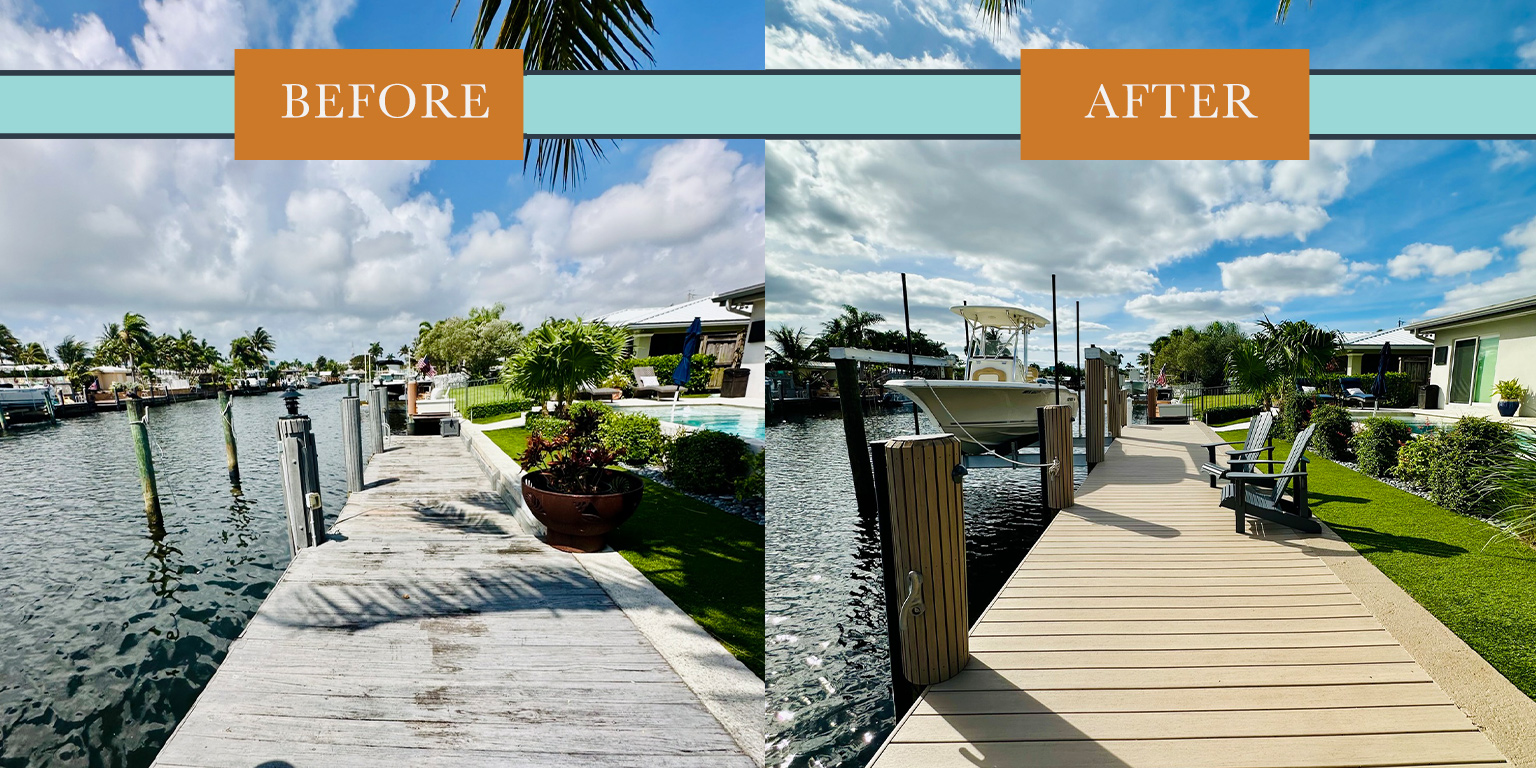
A damaged dock does more than affect the appearance of your waterfront property. It can limit access to the water, reduce safety, and create larger structural problems that become more expensive over time. At The Dock Experts, we approach Dock Restoration as a practical, long-term solution for property owners who want to improve safety, restore function, and extend the life of their investment without jumping straight to full replacement. As a trusted dock builder serving South Florida, we restore custom docks with durable materials, engineered solutions, and a full understanding of the waterfront conditions that shape every project.
Our goal is not to offer surface-level repairs that only hide the problem for a short time. We look at the full condition of the structure, from decking and framing to piles, flotation, and surrounding shoreline elements, so we can recommend the right path forward. In many cases, a well-planned restoration allows homeowners and commercial property owners to keep the dock they have while upgrading its safety, durability, and appearance. That means a better waterfront experience now and a stronger structure for the years ahead.
Why Docks Begin to Deteriorate Over Time
Dock damage is rarely caused by a single issue. In South Florida, waterfront structures are exposed to changing tides, intense sun, storm activity, moisture, salt, and constant wear from daily use. Over time, these conditions begin to weaken materials, compromise hardware, and expose any weak points in the original construction. When multiple stressors work together, even a dock that once seemed stable can begin to show signs of failure.
Rising water levels are one of the most common threats we see. When water reaches the decking or structural components too often, it accelerates erosion, weakens support systems, and increases the risk of storm-related damage. Wood rot and decay can also take hold when docks are built with lower-grade materials or when aging components remain exposed to moisture year after year. On top of that, inadequate hardware, poor building practices, dock pile failure, and flotation problems can all reduce the integrity of the structure and make the dock unsafe to use.
These problems do not always appear all at once, which is why many owners wait longer than they should to act. A loose board, a section that feels uneven, or a dock that sits lower in the water may seem minor at first, but those are often early warning signs of deeper deterioration. Addressing those issues through Dock Restoration gives us the opportunity to correct the source of the damage before it spreads to other parts of the structure. That proactive approach helps protect both your property and your long-term budget.
What Dock Restoration Really Involves
When we restore a dock, we do far more than replace a few visible materials. Our process starts with understanding how the dock was built, how it has been performing, and which structural components are still sound enough to remain in place. From there, we develop a restoration plan that improves safety, restores appearance, and strengthens the dock for future marine conditions. Because we are an experienced dock builder, we know that every custom dock requires a solution tailored to its location, use, and structural needs.
A restoration project may include resurfacing worn decking, repairing damaged framing, replacing piles, correcting flotation issues, upgrading hardware, or improving elevation to better handle changing water levels. In some cases, we recommend composite decking materials that resist rot, splintering, and decay better than traditional wood. In others, we may reinforce the structure with marine-grade stainless steel and engineered components designed specifically for harsh marine environments. The right restoration plan depends on what your dock needs today and what it will need to remain reliable tomorrow.
This is one of the reasons Dock Restoration is such a valuable service for waterfront property owners. It creates an opportunity to improve performance without automatically committing to a complete rebuild. A dock that still has a viable structural foundation may be an excellent candidate for restoration, especially when the goal is to preserve access, enhance appearance, and modernize aging materials. With the right repairs and upgrades, an older dock can once again become one of the strongest and most functional parts of your waterfront.
The Value of Working With a Professional Dock Builder
Not every contractor understands the demands that South Florida places on marine structures. Waterfront construction requires specialized knowledge, proper materials, and an understanding of how tides, storms, salt exposure, and shoreline conditions affect performance over time. As a professional dock builder, we bring that expertise into every restoration project, which allows us to do more than patch visible damage. We restore docks in a way that supports long-term use, compliance, and structural dependability.
Our team uses premium marine-grade materials because restoration is only as strong as the products and installation methods behind it. Weak fasteners, low-quality lumber, and shortcuts in design can lead to premature failure, even after repairs have been made. That is why we focus on engineered solutions, durable components, and certified installation practices that are built to perform in real marine environments. When we restore custom docks, we do it with the same level of care and precision we bring to new dock construction.
Property owners also benefit from working with a company that can evaluate the full picture instead of treating each issue in isolation. A dock may appear to need only surface improvements, but hidden problems in the framing, piles, flotation, or surrounding waterfront structures can continue causing damage if they are not addressed. Through our Dock Restoration services, we identify those underlying conditions and create a strategy that restores both form and function. That gives our clients confidence that the work being done is meaningful, not temporary.
Custom Docks Require Custom Restoration Solutions
Every waterfront property has different requirements, which is why we do not believe in one-size-fits-all repair plans. Residential docks, commercial docks, floating docks, and boat docks all face different loads, usage patterns, and environmental conditions. A custom dock should be restored with the same thoughtful approach that went into its original design, if not better. That means considering access, vessel needs, shoreline conditions, and future maintenance when deciding how to restore the structure.
For some property owners, restoration is focused on safety and structural improvement. For others, it is also about appearance, convenience, and getting more use out of their waterfront space. We often help clients upgrade worn surfaces, improve layout functionality, reinforce support systems, and select materials that reduce maintenance moving forward. These improvements not only make the dock look better, but also make it more enjoyable and dependable for daily use.
Our experience with custom docks allows us to recommend solutions that reflect how the space is actually used. A dock that supports a boat lift may need a different restoration approach than one designed primarily for access and recreation. A floating dock system may require attention to buoyancy and balance, while a fixed dock may need pile reinforcement or framing repairs to restore load-bearing performance. That is why Dock Restoration should always be approached as a tailored service rather than a generic repair job.
Addressing the Real Sources of Damage
One of the most important parts of restoration is correcting the conditions that caused the damage in the first place. If rising water levels are reaching the dock too often, simply replacing the surface materials will not solve the deeper problem. In those situations, we may recommend raising the dock and seawall to current elevation standards so the structure is better protected from changing water conditions. By addressing elevation and exposure together, we help reduce the risk of repeated deterioration.
Wood rot and decay are also common reasons property owners call us for help. Traditional wood can weaken significantly when exposed to moisture, heat, and time, especially if the materials used were untreated or lower quality from the start. In many restoration projects, we upgrade to composite decking materials that offer better resistance to rot, splintering, and ongoing weather exposure. That shift can improve both durability and maintenance demands while giving the dock a cleaner, more updated finish.
When piles begin to fail, the consequences can be serious for the entire structure. Because piles support the dock’s load and stability, any weakness at that level can cause shifting, sinking, or even collapse if left unaddressed. We can replace failed piles with more durable materials such as concrete, steel, composites, or treated wood, depending on the application and marine conditions. A successful Dock Restoration project often depends on strengthening these foundational elements so the rest of the structure can perform as intended.
Flotation problems can be just as important, especially for floating dock systems. If flotation units are punctured, waterlogged, insufficient, or failing, the dock may sit unevenly or become hazardous to use. In those cases, we replace damaged floats or add new foam-filled or air-filled units to restore buoyancy and improve balance. By solving these structural issues directly, we help extend the life of the dock instead of simply covering up the symptoms.
Restoring More Than the Dock Can Improve the Entire Waterfront
A dock does not exist on its own. It performs best when the surrounding waterfront structures are also in good condition, because seawalls, pilings, retaining walls, and boat lifts all play a role in the stability, usability, and long-term protection of the property. When one of these systems begins to fail, the effects can extend to the dock itself, whether through shoreline erosion, shifting loads, access limitations, or increased structural stress. That is why one of the smartest ways to support dock performance is to restore the broader waterfront environment around it.
For example, seawalls and bulkheads protect waterfront properties from erosion and help maintain shoreline stability. If a seawall is deteriorating, the surrounding soil can shift and create conditions that undermine nearby dock structures over time. Retaining walls also contribute to long-term stability, especially in areas where soil movement and drainage issues affect the shoreline. By improving these elements alongside your dock, we can help create a stronger and more cohesive waterfront system.
Pilings and boat lifts also deserve attention when planning a restoration project. Durable piling systems help support both docks and seawalls, while a properly functioning boat lift protects your watercraft and reduces wear on your docking area. If these components are aging, damaged, or no longer performing the way they should, restoring them can further strengthen the effectiveness of your dock improvements. In many cases, the best Dock Restoration outcomes happen when we look beyond the dock itself and restore the supporting structures that help it perform at its best.
Why Permitting and Compliance Matter in a Restoration Project
Marine construction in South Florida involves more than design and materials. Local codes, permitting requirements, and environmental regulations can affect how restoration work is planned and completed, particularly when structural changes are involved. That is why we manage these details as part of our process, helping our clients move forward without unnecessary stress or delays. When restoration is done properly, compliance is not an afterthought but part of the project from the beginning.
This full-service approach is part of what sets us apart as a dock builder and marine construction partner. We are not just restoring individual components; we are helping clients complete their projects responsibly and efficiently. Whether the work involves a residential dock, a commercial structure, or a broader waterfront upgrade, we help keep the process organized and compliant from start to finish. That makes Dock Restoration smoother, more predictable, and ultimately more valuable for the property owner.
Restore Your Dock With a Stronger Plan
A worn or damaged dock does not always need to be torn out and rebuilt from scratch. In many cases, the right restoration strategy can improve safety, extend service life, enhance appearance, and strengthen the entire waterfront experience. By addressing the true causes of deterioration, using marine-grade materials, and considering how nearby structures affect long-term performance, we help our clients make smart investments in their property. At The Dock Experts, we treat Dock Restoration as an opportunity to build something stronger out of what already exists, giving your dock and waterfront the support they need for years to come.
Ready to start restoring your Dock? Book an appointment with The Dock Experts today!