
Retaining Wall and Dock Installation: Which Should Come First?
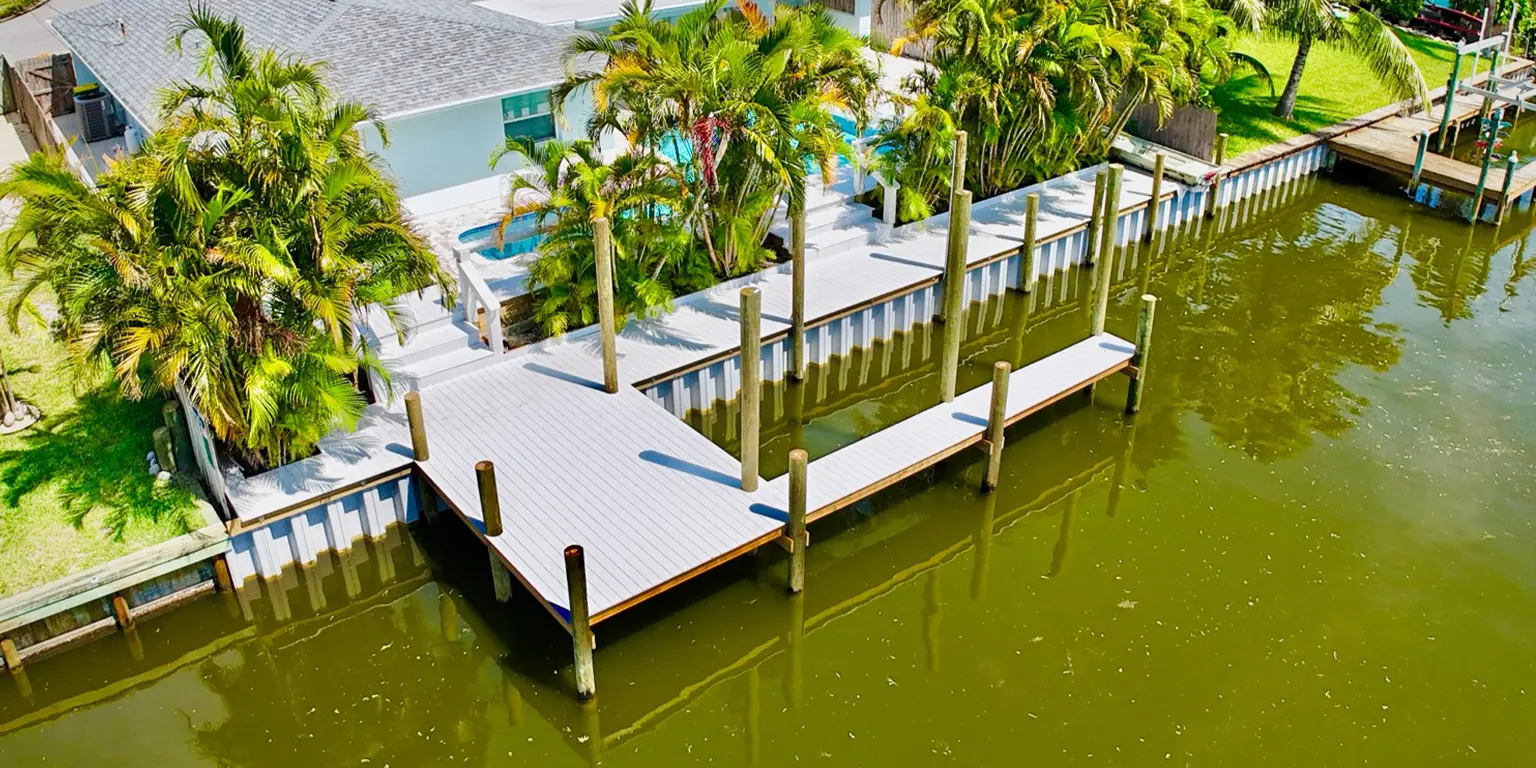
Planning improvements along your waterfront can raise an important question: should your retaining wall or dock installation come first? Although both projects can contribute to a more functional waterfront, they serve different purposes, and there is no universal order that works for every property. Shoreline conditions, erosion concerns, the location of the future dock, site access, and the scope of each project can all influence how the work should be approached. At The Dock Experts, we believe the best place to start is by looking at the waterfront as a whole rather than treating each improvement as an isolated project.
Understand That the Two Structures Have Different Jobs
A dock is primarily about creating access to and use of the water. Depending on its design and the property, it may provide space for boarding a boat, fishing, relaxing, swimming access, or simply enjoying the waterfront more conveniently. Its placement therefore depends heavily on factors such as water access, shoreline configuration, and how the property owner intends to use the space. Planning a dock begins with those functional goals and the physical characteristics of the waterfront.
A retaining wall, by comparison, is concerned with the land rather than serving as an access structure over the water. That difference matters because the need for one should not be determined simply by the fact that a dock is being installed nearby. Instead, each feature should have a defined purpose within the overall waterfront plan. By understanding what problem each project is intended to solve, property owners can avoid treating two distinct improvements as though one must automatically accompany the other.
Next, Evaluate the Condition of Your Shoreline
The shoreline itself can provide valuable clues about where a waterfront project should begin. Areas with noticeable soil loss, changing grades, exposed roots, unstable slopes, or sections of bank that appear to be washing away deserve attention during the planning process. These conditions do not automatically mean one particular solution is required, but they can affect how improvements along the water should be designed and sequenced. A waterfront that is already changing may present very different planning considerations from a shoreline that has remained relatively stable.
This is where a retaining wall may become part of the larger conversation. Its role is generally associated with holding back soil and managing differences in ground elevation, so its relevance depends on the conditions and layout of the property. When shoreline stabilization work is appropriate, understanding that scope before moving ahead with nearby construction can provide a clearer picture of how the waterfront will ultimately be arranged. The important point is not to assume that every dock needs this type of structure, but to determine whether the surrounding land presents issues that should be addressed as part of the project.
Why Project Order Can Matter
When multiple waterfront improvements are planned, the order of construction can influence how efficiently the site is approached. Contractors may need room to move materials, operate equipment, reach the shoreline, or work within a relatively confined area between the home, bank, and water. Completing one improvement without considering the access requirements of the next could potentially make later work more complicated. Looking at the complete project beforehand allows these practical considerations to become part of the plan instead of an afterthought.
The final layout is equally important when deciding whether a retaining wall should be completed before, after, or separately from a dock project. The location of stairs, paths, landings, shoreline access points, and other property features may affect how people move between the land and the dock once construction is complete. Thinking through those connections early can produce a waterfront that feels intentionally planned rather than assembled one project at a time. This is especially valuable when several improvements will occupy the same limited stretch of shoreline.
Look Beyond What You Can See at the Water’s Edge
Some of the most important waterfront planning considerations are not immediately obvious from a quick look at the shoreline. Changes in elevation, drainage patterns, soil characteristics, and the way water moves across or against the property can all affect conditions along the bank. A shoreline that appears relatively straightforward from above may have site characteristics that become more important once a project is being planned. For that reason, visual appearance alone should not determine which improvement receives priority.
Water management deserves particular attention because water can influence the land from more than one direction. Rain and runoff can move downhill toward the shoreline, while waves, fluctuating water levels, and other waterfront conditions can affect the bank from below. Where a retaining wall is being considered, these forces should be evaluated as part of the broader site rather than viewing the structure as a standalone feature. This deeper assessment helps distinguish between a project that is primarily about creating better water access and one that also needs to account for conditions on the land.
Coordinate the Waterfront Instead of Planning Two Separate Projects
It can be tempting to approach shoreline work as a checklist: finish one structure, then begin thinking about the next. However, that approach may overlook opportunities to coordinate dimensions, access, elevations, and the way different areas of the property connect. Even when projects are completed at different times, knowing the long-term plan can help prevent an earlier decision from unnecessarily limiting future options. The goal is to think beyond the immediate construction project and consider how the waterfront is expected to function once all planned improvements are complete.
This broader planning process is also useful when budgets or timelines require work to happen in phases. A property owner may decide to complete the most pressing improvement first while preparing for another project later, rather than trying to accomplish everything at once. Having a clear picture of the intended finished waterfront makes those phases easier to organize and helps preserve flexibility for future work. Good sequencing is therefore not simply about deciding which contractor arrives first; it is about making sure each stage supports what comes next.
Let The Dock Experts Handle the Permitting Process
Waterfront construction can involve permits and approvals that vary based on location, project type, and site conditions. These requirements may influence what can be built, where construction can take place, and how the overall project moves forward. Rather than leaving our clients to navigate that process on their own, The Dock Experts takes care of the permitting process as part of the project. We work through the necessary permitting requirements so our clients can focus on their plans for the waterfront instead of managing paperwork and approvals themselves.
Handling permitting also allows us to account for these requirements while planning the work ahead. When a dock and other waterfront improvements are being considered together, permitting considerations can become part of the conversation around project scope, scheduling, and construction order from the beginning. This helps us develop the project with applicable requirements in mind rather than treating permits as something to address after the major decisions have already been made. From planning through permitting and installation, our goal is to make the process as straightforward as possible for the property owner.
Plan Around How You Want to Use Your Waterfront
Technical considerations are essential, but the finished property also needs to work for the people who use it. Think about the route you will take from the yard to the dock, where you want to enter or exit the water, and whether you need convenient access for boating equipment or other waterfront activities. Changes in elevation can also influence how comfortably people move between different areas of the property. These practical details can shape the project even when they are not the reason construction is needed in the first place.
Taking the time to define these priorities gives the overall design a clear purpose. Instead of choosing the order of projects based solely on which improvement seems easiest to begin, property owners can work backward from the waterfront they ultimately want. That perspective can reveal important connections between shoreline access, dock placement, grades, pathways, and future improvements. The result is a plan centered on long-term function rather than a series of unrelated construction decisions.
So, Which Should Come First?
There is no single answer that applies to every waterfront property. If the land presents concerns that could affect the broader project, those conditions may need to be evaluated before dock construction moves forward; on another property, the dock may be able to proceed without the same shoreline work. Site access, elevations, project scope, future plans, and local requirements can all change the appropriate sequence. The right starting point is therefore an assessment of what the property needs rather than a predetermined rule about construction order.
Build Your Waterfront With the Bigger Picture in Mind
A successful waterfront project starts with understanding the property, the intended use of the space, and the conditions that may influence construction. Dock installation and shoreline improvements can be closely related from a planning standpoint, but they do not serve identical purposes and should not be treated as interchangeable solutions. Evaluating the shoreline, thinking ahead about access, and coordinating future improvements can help determine which work makes sense to prioritize. The objective is not simply to decide what gets built first, but to create a waterfront plan in which each improvement has a clear reason for being there.
If you are considering a new dock and are unsure how conditions along your shoreline may affect the project, The Dock Experts can help you begin the conversation. We can look at your waterfront goals and help determine the considerations that should guide your dock project rather than relying on a one-size-fits-all sequence. Starting with a thoughtful plan gives you a clearer understanding of the work ahead and how the different parts of your waterfront can fit together. Book a free inspection The Dock Experts to discuss your property and take the next step toward a waterfront designed around the way you want to use it.