
Dock Piling Depth: Why it Matters for Waterfront Stability
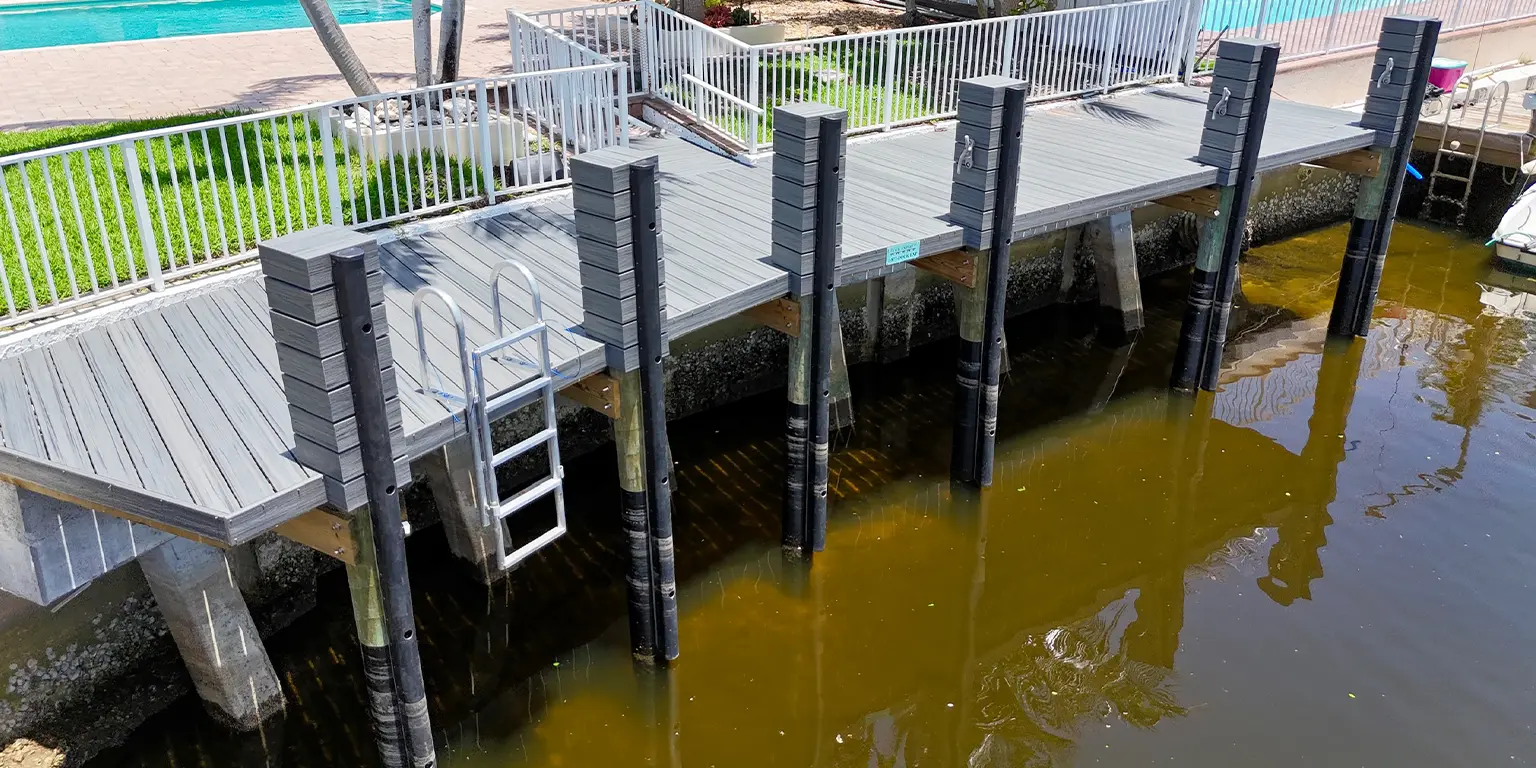
A strong dock should feel steady, reliable, and built for the conditions around it. In South Florida, that means accounting for more than the surface of the dock itself. Tides, boat wakes, shifting coastal soils, and everyday use all place pressure on a waterfront structure in ways property owners may not always see. The stability of the dock depends heavily on the pilings below it, including how those pilings are placed beneath the waterline. That is where dock piling depth becomes an important part of the conversation.
At The Dock Experts, we look beyond the visible structure to understand how the foundation will support the dock over time. The right approach depends on the property, the water conditions, the type of dock, and how the space will be used. By understanding what happens below the surface, property owners can better see why piling planning plays such an important role in long-term waterfront stability.
What Is Dock Piling Depth?
Dock piling depth refers to the portion of a piling that is driven or set into the ground beneath the water. It is not the same as the total piling length, because part of the piling remains above the waterline to support the dock structure. The depth is measured by how far the piling extends into the soil or seabed below the dock. This measurement helps determine how securely the piling can support the structure above it.
The right depth depends on what the piling needs to support and the conditions beneath the water. A dock built in shallow, protected water may have different depth needs than one located in a deeper or more active waterfront area. Soil type also matters because loose, sandy, or softer ground may require a different approach than firmer subsurface conditions. This is why dock piling depth is determined by the site itself, not by a universal number.
For property owners, understanding this term helps clarify why piling planning is such a specific part of marine construction. It is not simply a matter of placing pilings into the water and building on top of them. The depth has to work with the dock design, the surrounding water conditions, and the expected use of the structure. At The Dock Experts, we evaluate those details so the piling plan supports the dock from the ground up.
Why Dock Piling Depth Affects Waterfront Stability

Waterfront structures are exposed to constant movement, even in calm conditions. Boat wakes, changing tides, wind-driven water movement, and everyday activity all place stress on a dock over time. The dock needs a foundation capable of responding to those conditions without excessive shifting or instability. That is one of the reasons why dock piling depth matters when planning for long-term waterfront performance.
A deeper piling embedment helps distribute structural loads into the ground beneath the dock rather than concentrating stress in one area. This becomes especially important for docks that experience regular foot traffic, vessel activity, or additional structural loads from accessories like seating areas and lifts. The goal is not simply to support the visible dock surface, but to create a system that can handle repeated environmental pressure over time. Proper foundational support helps the structure remain more consistent as surrounding waterfront conditions change throughout the year.
Stability also becomes more important in active marine environments where docks experience ongoing movement from boating activity. Larger vessels and frequent traffic can create repeated lateral pressure against pilings throughout the day, particularly in busy canals or open-water locations. Over time, those forces can affect how the structure responds to the environment around it. By carefully evaluating piling placement and depth, waterfront structures can be planned with those long-term conditions in mind rather than focusing only on immediate construction needs.
Factors That Influence Dock Piling Depth
Several factors influence how piling depth is planned for a waterfront structure. One of the most important is the condition of the soil beneath the waterline. Some waterfront properties contain compact and stable ground conditions, while others may have softer coastal soils that behave differently under structural loads. Understanding those subsurface conditions helps determine how pilings interact with the environment below the dock and what type of support may be needed for long-term performance.
The overall size and layout of the dock also influence dock piling depth requirements. A smaller residential dock designed for light recreational use may not place the same demands on the structure as a larger dock built for multiple vessels or heavier activity. Boat traffic, lift systems, and intended usage all affect how the foundation is planned beneath the dock. The larger and more active the waterfront structure becomes, the more important it is to evaluate how loads will be distributed throughout the system.
Environmental conditions play a role as well, especially in South Florida marine settings where water movement and boating activity are part of everyday waterfront life. Open-water properties may experience different conditions than protected canals or inland waterways, and those differences can influence how marine piling depth is approached. At The Dock Experts, we evaluate each waterfront property individually because piling depth should reflect the actual conditions of the site rather than relying on a generalized approach.
Dock Piling Depth and Boat Lift Support
Boat lifts introduce additional structural demands that need to be considered during dock planning. Unlike a standard dock surface designed primarily for foot traffic, a boat lift concentrates substantial weight into specific areas of the structure. Larger vessels can create significant downward force when raised above the waterline, which is why foundational support becomes especially important in these applications. Evaluating dock piling depth for boat lifts helps ensure the structure is planned around those added loads from the beginning.
Weight distribution is one of the key factors involved when planning for lift-supported docks. The pilings beneath the structure help transfer the weight of the vessel, lift system, and dock into the supporting ground below the waterline. Depending on the size of the boat and how the lift will be used, the foundation may require a different structural approach than a standard residential dock. Proper planning helps account for those differences before construction begins rather than treating the lift as an afterthought.
Boat size and usage patterns can also influence how boat lift pilings are evaluated. A smaller recreational vessel used occasionally creates different structural considerations than larger boats used regularly throughout the year. The type of lift system, vessel weight, and overall dock layout all contribute to how the structure is planned below the surface. At The Dock Experts, we approach boat lift support as part of the complete dock foundation strategy rather than as a separate component added later.
Building Waterfront Stability Starts Below the Surface
A dock’s long-term performance depends on more than the materials visible above the waterline. The foundation beneath the surface plays a major role in how the structure responds to tides, boat traffic, environmental movement, and everyday use over time. That is why dock piling depth remains an important part of planning for waterfront stability, especially in coastal environments like South Florida. A properly planned foundation helps support the dock as conditions around it continue to change throughout the year.
From soil conditions and water depth to vessel activity and lift systems, many different factors influence how dock pilings are approached during construction planning. Understanding those conditions helps property owners make more informed decisions when building or upgrading a waterfront structure. At The Dock Experts, we approach marine construction with a focus on long-term support, site-specific planning, and the realities of South Florida waterfront environments. Building a stronger dock starts below the surface, where the foundation supports everything above it.
Plan Your Dock Foundation with The Dock Experts
The right dock starts with the right foundation. If you are planning a new dock, upgrading your waterfront space, or adding a boat lift, The Dock Experts can evaluate your property and help determine the piling approach that fits your site conditions. Contact our team today to discuss your dock project and build with confidence from the ground up.