
Concrete Dock Repair: Protecting Concrete in Waterfront Environments
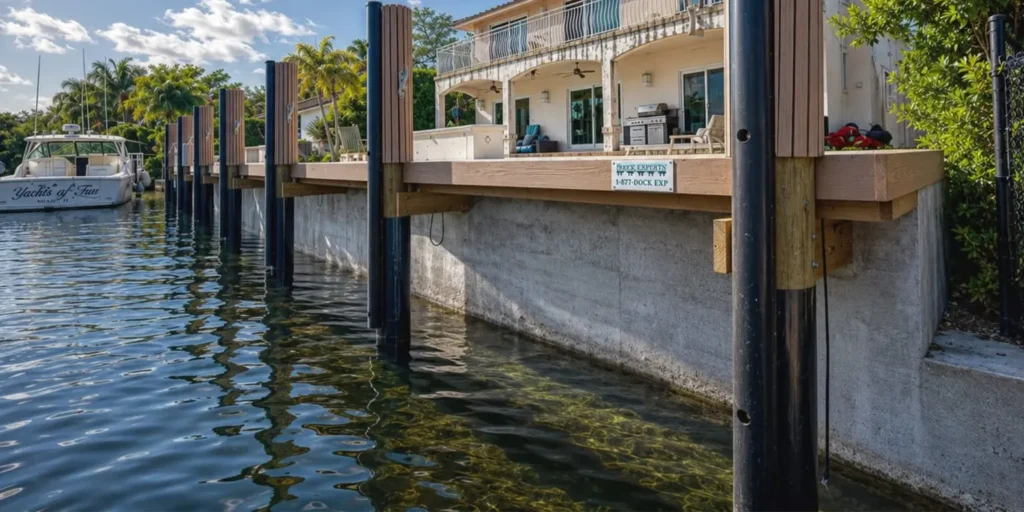
Concrete is valued around waterfront properties for its strength and durability, but even a strong material can deteriorate when it is repeatedly exposed to water, weather, and structural stresses. Concrete Dock Repair is therefore about more than improving the appearance of an aging surface; it requires understanding what is happening to the concrete and why the damage developed in the first place. A crack near the waterline, deterioration along an exposed edge, or an area beginning to flake can each tell a different story about the conditions affecting the structure. At The Dock Experts, we believe identifying the source and extent of concrete damage is an important first step toward determining an appropriate repair approach. Why Concrete Around Docks Requires Special Attention Concrete is durable, but waterfront environments can be demanding. Around a dock, concrete may be regularly exposed to changing water levels, spray, runoff, and standing moisture. Because concrete is naturally porous, that moisture can find its way into cracks and other vulnerable areas. Over time, repeated exposure can contribute to deterioration that extends beyond the surface. Weather can create additional stress once moisture has entered the concrete. In colder climates, trapped water can freeze and expand, placing pressure on the surrounding material. Salt exposure presents a different concern. If chlorides reach embedded steel reinforcement, they can contribute to corrosion and eventually affect the concrete surrounding the steel. The concrete may also be affected by conditions beyond water and weather. Settlement, soil movement, impact, or changing loads can contribute to cracking and other forms of damage. These problems can then create additional openings where moisture can enter. For this reason, Concrete Dock Repair requires looking at both the visible damage and the conditions that may be contributing to it. Visible deterioration does not necessarily mean the entire structure has failed. What matters is where the damage is occurring, how extensive it is, and whether it appears to be progressing. A stable surface defect can represent a very different concern from widening cracks or concrete that continues to break away. Understanding those differences provides a much better starting point for determining what the concrete actually needs. Where Concrete Dock Damage Commonly Develops Concrete damage does not always develop evenly across a dock or waterfront structure. Exposed edges and corners, for example, can be more vulnerable to chipping and impact. Cracks and joints can create openings where moisture can enter, while areas with frequent water exposure may deteriorate differently from sections that remain relatively dry. During our inspections, we look at where these problems are developing and the conditions affecting those areas. Some signs can also provide clues about what may be happening beneath the concrete surface. Rust-colored staining, particularly around cracks or spalled areas, may indicate corrosion of embedded steel reinforcement. White, chalky deposits known as efflorescence can point to moisture moving through the concrete and carrying salts to the surface. We consider these visible clues as part of the larger condition of the structure rather than using any single symptom to determine what repair is needed. Movement is another important part of a thorough inspection. Concrete that has started to sink, tilt, or separate from an adjoining section may be affected by settlement or changing conditions beneath the structure. In these situations, repairing the visible surface may not address the reason the concrete moved in the first place. By examining the damaged area along with the surrounding dock and waterfront conditions, our team can develop a clearer understanding of what is contributing to the problem before recommending a repair approach. What Happens When Water Gets Into Damaged Concrete? A crack or deteriorated surface can give water a way into the concrete. Once inside, that moisture may reach areas that are not visibly damaged from the outside. Repeated exposure can gradually weaken the affected concrete and allow deterioration to spread beyond the original opening. In colder climates, this process can accelerate when trapped water freezes, expands, and places additional pressure on the surrounding material. Moisture can create another problem when it reaches the steel reinforcement embedded within the concrete. Water and chlorides can contribute to corrosion of the steel, which then begins to expand as rust develops. That expansion places pressure on the concrete from within. Over time, the pressure can contribute to new cracks, spalling, and sections of concrete breaking away, leaving previously protected areas more exposed to moisture. Choosing the Right Approach to Concrete Dock Repair Once we understand what is happening to the concrete, we can determine which repair methods are appropriate for the affected area. Concrete Dock Repair can take several forms, and each method serves a different purpose. Cracks, for example, may be repaired with epoxy or polyurethane injection in appropriate applications. Flexible sealants can also be used for certain surface cracks where limiting future moisture infiltration is a priority. Chipped, flaking, or spalled concrete requires a different approach. Depending on the extent of the deterioration, the damaged area may be restored with a patching compound or concrete resurfacer. More severe deterioration can require compromised material to be removed before the area is rebuilt with sound concrete. If steel reinforcement has been exposed or affected by corrosion, protecting or addressing that reinforcement may also need to be part of the repair. Not every concrete problem begins within the concrete itself. Settlement beneath a structure can contribute to sinking or shifting, while poor drainage can allow water to repeatedly collect around vulnerable areas. In these situations, stabilization or drainage improvements may need to accompany the concrete work. By addressing these contributing conditions as part of the repair, we can focus on more than restoring the damaged surface and consider how the repaired area will perform in its waterfront environment. Frequently Asked Questions About Concrete Dock Repair How do I know if my concrete dock needs professional repair?Cracks that are widening, concrete that is breaking or spalling, exposed reinforcement, uneven or shifting sections, and recurring deterioration are all good reasons to have the structure professionally evaluated.
Dock Piling Repair or Replacement? Why Inspection Comes First

Dock pilings are the structural foundation that keeps a waterfront dock stable, secure, and capable of handling long-term environmental stress. At The Dock Experts, we know that determining whether your waterfront needs Dock Piling Repair or full replacement is not always as straightforward as it may appear from the surface. Visible damage can sometimes represent a localized issue, while in other situations, minor warning signs may point to larger structural concerns developing beneath the waterline or inside the piling itself. That is why professional inspection should always come first before deciding how to move forward with repairs, reinforcement, or replacement. Why Dock Piling Problems Are Not Always Obvious Some piling issues are immediately visible, while others develop internally or below the waterline where deterioration can continue unnoticed for extended periods of time. A piling may appear structurally stable from above while hidden rot, corrosion, erosion, or internal weakening gradually reduces its ability to support the dock safely. Surface discoloration, marine growth, minor cracking, or isolated movement can sometimes indicate early-stage deterioration, but they can also signal deeper structural problems that require closer evaluation. This is one of the main reasons why self-diagnosing piling damage can lead to inaccurate assumptions about the condition of the dock. South Florida marine environments accelerate deterioration in ways that are not always easy to identify without professional experience working around waterfront structures. Saltwater exposure continuously affects piling materials and hardware, while moisture intrusion, ultraviolet exposure, and marine organisms contribute to long-term material breakdown over time. Storm activity, tidal movement, and shifting soils can also weaken foundational support beneath the dock without creating immediate visible warning signs above the surface. Even a dock that appears functional may already be experiencing progressive structural stress that only becomes clear during a thorough inspection process. At The Dock Experts, we approach inspections with the understanding that the visible symptom is not always the actual problem affecting the piling system. Leaning pilings, uneven dock surfaces, cracking, or loose hardware may originate from deeper stability issues related to erosion, alignment loss, or advanced material deterioration. Rather than focusing only on the most obvious damage, we evaluate how the entire dock structure is responding to environmental pressure and long-term exposure conditions. This allows us to identify the root cause of the issue and recommend solutions designed for long-term structural reliability instead of temporary surface-level fixes. What a Professional Dock Piling Inspection Helps Determine A professional inspection helps determine whether piling damage is cosmetic, localized, structural, or progressively affecting the integrity of the entire dock system. Some docks may only require limited reinforcement or maintenance to restore stability, while others may already be experiencing widespread deterioration that compromises long-term performance. During the inspection process, we evaluate how the pilings are supporting the dock structurally and whether movement, settlement, or environmental exposure has weakened critical support areas. This level of assessment provides property owners with a much clearer understanding of the actual condition of their waterfront structure. At The Dock Experts, we examine factors that extend beyond the visible piling itself because dock stability depends on how multiple structural components work together over time. We evaluate piling alignment, foundational support conditions, soil movement, hardware integrity, load distribution, and the condition of surrounding dock sections that may be affected by structural stress. Protective wraps, jackets, reinforcement systems, and marine-grade hardware are also reviewed to determine how well existing materials are performing in harsh marine conditions. This comprehensive approach allows us to identify whether isolated repairs are appropriate or whether deeper structural concerns require a more extensive solution. An inspection also helps determine whether Dock Piling Repair, reinforcement, stabilization, or replacement provides the safest and most practical path forward for the property owner. Without proper evaluation, surface-level assumptions can easily overlook hidden deterioration that continues spreading beneath the visible structure. By understanding the severity, cause, and progression of the damage, we can recommend solutions based on the dock’s actual condition rather than relying on guesswork or generalized assumptions. This helps property owners make informed decisions that prioritize safety, long-term durability, and cost-effective structural performance. When Repair May Be Recommended After Inspection Professional repair solutions are often appropriate when damage is limited and the piling remains structurally stable despite localized deterioration or wear. Early-stage cracking, isolated impact damage, minor surface deterioration, and hardware-related issues can sometimes be addressed effectively without requiring full piling replacement. In these situations, the inspection confirms that the piling is still capable of supporting structural loads safely once the affected areas are reinforced or restored properly. Repair-focused solutions work best when deterioration has not significantly compromised foundational alignment or overall structural integrity. At The Dock Experts, we may recommend reinforcement methods that strengthen vulnerable sections while helping protect the piling from continued environmental exposure. Protective wraps, piling jackets, marine-grade stainless steel hardware, and targeted stabilization systems can extend the lifespan of structurally sound pilings experiencing moderate wear. These solutions are designed to improve durability while minimizing disruption to the surrounding dock structure and waterfront access areas. Repair recommendations are always based on the specific condition of the piling system rather than applying the same approach to every waterfront property. Addressing localized problems promptly often helps reduce future maintenance demands while preventing damage from spreading into adjacent pilings or support systems. In many cases, properly executed Dock Piling Repair allows property owners to preserve the existing dock structure while improving stability and extending service life. However, these decisions should always follow a professional inspection that confirms repair methods will provide reliable long-term structural performance. When Replacement May Be the Safer Long-Term Option Some piling systems eventually reach a condition where replacement becomes the more appropriate long-term solution for maintaining waterfront safety and structural reliability. Severe rot, extensive corrosion, major cracking, collapsed pilings, or advanced deterioration can reduce the piling’s ability to support the dock safely under normal environmental conditions. Once structural damage progresses beyond a certain point, reinforcement alone may no longer restore the strength necessary to maintain long-term performance. In these situations,
Dock Restoration: Restore Strength and Style
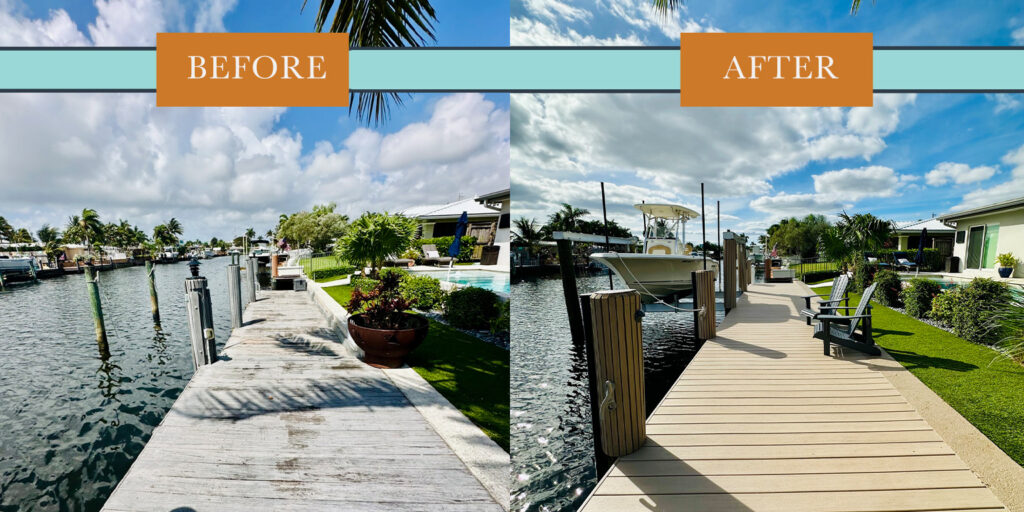
A damaged dock does more than affect the appearance of your waterfront property. It can limit access to the water, reduce safety, and create larger structural problems that become more expensive over time. At The Dock Experts, we approach Dock Restoration as a practical, long-term solution for property owners who want to improve safety, restore function, and extend the life of their investment without jumping straight to full replacement. As a trusted dock builder serving South Florida, we restore custom docks with durable materials, engineered solutions, and a full understanding of the waterfront conditions that shape every project. Our goal is not to offer surface-level repairs that only hide the problem for a short time. We look at the full condition of the structure, from decking and framing to piles, flotation, and surrounding shoreline elements, so we can recommend the right path forward. In many cases, a well-planned restoration allows homeowners and commercial property owners to keep the dock they have while upgrading its safety, durability, and appearance. That means a better waterfront experience now and a stronger structure for the years ahead. Why Docks Begin to Deteriorate Over Time Dock damage is rarely caused by a single issue. In South Florida, waterfront structures are exposed to changing tides, intense sun, storm activity, moisture, salt, and constant wear from daily use. Over time, these conditions begin to weaken materials, compromise hardware, and expose any weak points in the original construction. When multiple stressors work together, even a dock that once seemed stable can begin to show signs of failure. Rising water levels are one of the most common threats we see. When water reaches the decking or structural components too often, it accelerates erosion, weakens support systems, and increases the risk of storm-related damage. Wood rot and decay can also take hold when docks are built with lower-grade materials or when aging components remain exposed to moisture year after year. On top of that, inadequate hardware, poor building practices, dock pile failure, and flotation problems can all reduce the integrity of the structure and make the dock unsafe to use. These problems do not always appear all at once, which is why many owners wait longer than they should to act. A loose board, a section that feels uneven, or a dock that sits lower in the water may seem minor at first, but those are often early warning signs of deeper deterioration. Addressing those issues through Dock Restoration gives us the opportunity to correct the source of the damage before it spreads to other parts of the structure. That proactive approach helps protect both your property and your long-term budget. What Dock Restoration Really Involves When we restore a dock, we do far more than replace a few visible materials. Our process starts with understanding how the dock was built, how it has been performing, and which structural components are still sound enough to remain in place. From there, we develop a restoration plan that improves safety, restores appearance, and strengthens the dock for future marine conditions. Because we are an experienced dock builder, we know that every custom dock requires a solution tailored to its location, use, and structural needs. A restoration project may include resurfacing worn decking, repairing damaged framing, replacing piles, correcting flotation issues, upgrading hardware, or improving elevation to better handle changing water levels. In some cases, we recommend composite decking materials that resist rot, splintering, and decay better than traditional wood. In others, we may reinforce the structure with marine-grade stainless steel and engineered components designed specifically for harsh marine environments. The right restoration plan depends on what your dock needs today and what it will need to remain reliable tomorrow. This is one of the reasons Dock Restoration is such a valuable service for waterfront property owners. It creates an opportunity to improve performance without automatically committing to a complete rebuild. A dock that still has a viable structural foundation may be an excellent candidate for restoration, especially when the goal is to preserve access, enhance appearance, and modernize aging materials. With the right repairs and upgrades, an older dock can once again become one of the strongest and most functional parts of your waterfront. The Value of Working With a Professional Dock Builder Not every contractor understands the demands that South Florida places on marine structures. Waterfront construction requires specialized knowledge, proper materials, and an understanding of how tides, storms, salt exposure, and shoreline conditions affect performance over time. As a professional dock builder, we bring that expertise into every restoration project, which allows us to do more than patch visible damage. We restore docks in a way that supports long-term use, compliance, and structural dependability. Our team uses premium marine-grade materials because restoration is only as strong as the products and installation methods behind it. Weak fasteners, low-quality lumber, and shortcuts in design can lead to premature failure, even after repairs have been made. That is why we focus on engineered solutions, durable components, and certified installation practices that are built to perform in real marine environments. When we restore custom docks, we do it with the same level of care and precision we bring to new dock construction. Property owners also benefit from working with a company that can evaluate the full picture instead of treating each issue in isolation. A dock may appear to need only surface improvements, but hidden problems in the framing, piles, flotation, or surrounding waterfront structures can continue causing damage if they are not addressed. Through our Dock Restoration services, we identify those underlying conditions and create a strategy that restores both form and function. That gives our clients confidence that the work being done is meaningful, not temporary. Custom Docks Require Custom Restoration Solutions Every waterfront property has different requirements, which is why we do not believe in one-size-fits-all repair plans. Residential docks, commercial docks, floating docks, and boat docks all face different loads, usage patterns, and environmental conditions. A custom dock should
Dock and Seawall Repair: Signs You Shouldn’t Ignore

Living on Florida’s waterfront offers incredible advantages—scenic views, direct water access, and a lifestyle few can match. But it also comes with unique challenges. Between salt spray, harsh sun, waves, and shifting soils, marine structures like docks and seawalls take constant punishment. What starts as a minor crack or loose board can rapidly evolve into serious structural failure. Ignoring early warning signs doesn’t save you money—far from it. By the time damage becomes obvious, the dock and seawall repair often turns expensive, disruptive, and time-consuming. If you wait until the next storm to assess damage, you may be calling for full replacement instead of a repair. Dock Damage That Signals Deeper Issues Your dock is one of the first areas to show wear, often before damage spreads elsewhere. Some warning signs seem minor, but they can hint at serious structural stress. Catching them early is critical—before they threaten the safety or usability of your dock. Rust at joints and metal fastenersBolts, brackets, hinges, and support connectors are prime targets for corrosion in a marine environment. Rust streaks, pitted surfaces, or loose hardware are red flags. Once a connector gives way, adjacent materials (wood boards, framing members) begin to shift, creating instability. Cracked or splintered deck boardsOver time, decking planks expand, contract, and endure moisture cycles. Splintered edges, hairline cracks, or even small fractures often hint at underlying frame pressure or moisture seeping into structural joints. Left unaddressed, rot, insect damage, and deeper frame issues often follow. Noise or subtle movement in calm conditionsIf the dock creaks, groans, or moves slightly when conditions are calm (no wind or waves), that motion suggests structural loosening or foundational shifting. A tactile walk test—stepping slowly across the dock—can help you detect flexing or uneven support underfoot. Any section that feels spongy or “off” demands further inspection. Warping, sagging, or misalignmentIf planks don’t line up flush over time, or edges begin to tilt downward, the supporting frame may have shifted or sagged. Even small misalignments indicate stress. When one corner lowers, the structural forces along the entire dock may redistribute incorrectly, stressing other members. If your dock shows signs of age or instability, regular maintenance can help extend its life and avoid costly repairs. Learn more about our dock maintenance services and how we keep your structure safe and strong. Seawall Damage Unique to Florida Coasts Seawalls are your property’s first line of defense against erosion, tidal pressure, and water intrusion—but Florida’s coastal environment puts them to the test constantly. The following are key warning signs that your seawall may be failing: Saltwater Intrusion & SeepageWhen water seeps through cracks and joints in the seawall, it often carries soil behind the wall with it. This process gradually erodes the backfill material, weakening support behind the wall. Wet spots, soggy ground just behind the wall, or moisture pooling at the base are red flags you should investigate. Foundation Shifts, Leaning or Bulging WallsA seawall that begins leaning toward the land or bowing outward indicates that its structural balance has shifted. This often occurs when soil behind the wall shifts, or when water pressure builds against it due to poor drainage or overuse. Once leaning or bulging appears, it’s a serious sign that repair is needed soon. Soil Loss, Sinkholes, or Voids Near the Wall BaseErosion behind a seawall often creates gaps or voids in the soil closer to the wall. You may notice the ground near the wall pulling away, subtle depressions, or small sinkhole-like dips forming. These voids reduce lateral support and increase the risk that the wall loses structural integrity. Rust Stains, Exposed Reinforcement, or Chipping ConcreteCorrosion in interior steel reinforcements can manifest externally as rust streaks, streaking stains, or pitting on the wall surface. Spalling—where pieces of concrete flake or break off—indicates that the outer layer has been compromised, allowing water into internal layers and accelerating decay. Cracks in Seawall Caps or Along JointsEven fine hairline cracks in capstones or joint lines can become a major problem under Florida’s tidal stresses. These cracks can widen over time, weaken structural connections, and allow water to penetrate deeper, undermining the wall’s cohesion. Don’t let small seawall issues turn into big structural problems. Our seawall repair experts can inspect, reinforce, and restore your shoreline barrier before erosion takes over. How Boat Lifts Show Early Trouble Signs Maintaining your waterfront goes beyond dock and seawall repair. Boat lifts are often overlooked until they fail—but they can give early warning of broader issues. Since lifts are mechanically dependent and tied into the structural system of a dock or piling, changes here often mirror deeper problems. Uneven lifting or tilt under loadIf one side of your lift ascends more slowly, or the cradle tilts when lifting the boat, that suggests uneven support—possibly caused by shifted pilings or misalignment. If your lift no longer levels correctly, structure beneath may be compromised. Motor strain or inconsistent power drawIf the motor hums louder, struggles, or trips circuits, it may be compensating for binding or excess resistance—often due to frame friction or misaligned lift tracks. Over time, that extra burden shortens equipment life. Vibrations, unusual noises, or rattlingIf the lift shakes, buzzes, or vibrates when operating, parts may be worn, bent, or under stress. It indicates something isn’t moving smoothly or structural alignment is off. Wear on cables, frayed lines, or bent armsCables that grind, bend, or visibly fray under normal operation suggest repeated strain. Bent lift arms or hardware distortion shows deeper stress in the structural system. Regular inspection and lubrication help, but persistent wear calls for repositioning or repair. Noticing signs of uneven lifting or motor strain? Our boat lift services cover everything from inspections to full replacements—ensuring safe, reliable operation season after season. The Importance of Acting Early Waterfront structures are exposed 24/7 to the harshest elements Florida has to offer—saltwater corrosion, tidal pressure, UV exposure, and wind-driven debris. That constant exposure means small issues rarely stay small. Acting early when signs of wear appear is more than just
Floating Dock Repair: After-Summer Guide to Restoring Your Dock Before Fall

At Dock Experts, we understand that Florida’s summer season is both the most exciting and the most punishing time for docks. Between relentless sun exposure, daily boating traffic, saltwater corrosion, and the stress of tropical weather, even the best-built docks show signs of wear by the time September rolls around. What looks like a minor issue now—such as a loose fastener or a slightly uneven dock section—can quickly become a major problem if left unaddressed. If your floating dock took a beating this summer, now is the time to schedule floating dock repair before harsher fall conditions set in. What Summer Does to Floating Docks Florida summers are long and demanding, and your dock feels the effects of the season more than you might realize. Intense UV exposure steadily weakens materials, causing wood decking to crack, splinter, or fade. Even some composite materials can soften, warp, or lose their finish after months under the relentless sun. This kind of deterioration makes your dock less safe and less appealing over time. Then there’s saltwater corrosion, a constant challenge in our coastal environment. Salt eats away at metal hardware, brackets, and fasteners, leading to weakened connections. These small points of failure can spread quickly, compromising the dock’s overall strength. Without attention, corrosion turns into a serious structural issue. Summer also brings heavier usage than any other time of year. Boating, fishing, swimming, and gatherings all put pressure on your dock. Repeated weight and activity loosen joints, stress flotation components, and accelerate the wear of decking materials. By the end of summer, many docks are noticeably weaker than they were at the start of the season. Finally, floating debris and everyday marine impacts add to the strain. Branches, logs, or other objects in the water can leave dents, scratches, or hidden damage in flotation units or framing. These problems often go unnoticed at first but can worsen with continued use. Taken together, the sun, salt, activity, and marine environment combine to steadily wear down your dock. That’s why a post-summer inspection and repair is essential for catching issues early and keeping your dock safe, stable, and ready for the months ahead. Summer Damage is Just the Beginning Many dock owners assume that when summer winds down, the worst is over. Unfortunately, that’s not the case in South Florida. September and October remain active months of hurricane season, leaving docks exposed to the risk of strong winds, surge, and fluctuating water levels well into the fall. If your floating dock already has weaknesses—such as rusted connections, waterlogged flotation, or warped decking—those vulnerabilities are more likely to fail under storm pressure. A small issue in August can quickly escalate into catastrophic damage by October if it’s ignored. Scheduling professional floating dock repair now provides a critical window to reinforce your dock before late-season weather arrives. By fixing problems early, you’re extending your dock’s lifespan, protecting your investment, and avoiding the steep emergency costs that often follow unpreparedness. How Dock Experts Restores Floating Docks At Dock Experts, we take a professional, long-term approach to floating dock repair. Unlike quick fixes or DIY kits, our solutions are engineered for durability, safety, and performance in Florida’s demanding marine environment. One of the most common repairs we handle is correcting flotation problems. We replace punctured or waterlogged floats with new foam-filled units, restoring balance and buoyancy. For docks that are under-supported, we can add additional floats to increase stability and load capacity. We also specialize in decking restoration and upgrades. For wood docks showing signs of rot or decay, we recommend low-maintenance alternatives such as PVC or aluminum decking. These materials are slip-resistant, UV-stable, and designed to last decades with minimal upkeep—perfect for waterfront properties. For structural issues, we reinforce docks with marine-grade aluminum trusses and corrosion-resistant hardware. This type of framing is lightweight, strong, and built to withstand constant exposure to saltwater and changing tides. We also replace failing piles and anchoring systems to ensure docks remain secure during strong winds or surge conditions. Every repair is performed by our certified crew using engineered designs and premium materials. We don’t cut corners—we restore your dock with the same precision and pride we bring to our new construction projects, ensuring lasting results. Protect Your Investment with Routine Maintenance Even after repairs, docks require regular care to stay in peak condition. That’s why Dock Experts offers customized maintenance plans designed for South Florida’s coastal environment. These plans are one of the best ways to protect your investment year-round. With routine maintenance, our team inspects and services your dock every six months, identifying and addressing small issues before they escalate into costly repairs. Common maintenance tasks include tightening hardware, inspecting flotation, checking for rot, and cleaning surfaces to prevent long-term wear. We also provide detailed reports with photos so you know exactly what condition your dock is in. Maintenance plans also extend beyond the dock itself. We service boat lifts, seawalls, and marine accessories, ensuring every part of your waterfront property remains safe, compliant, and functional. By investing in a maintenance plan, dock owners gain peace of mind knowing that their property is protected against Florida’s harshest elements all year long. Don’t Let Summer Wear Down Your Dock The long days of summer may be over, but the risks to your dock are not. Between late-season storms, ongoing saltwater exposure, and the wear already caused by summer use, now is the time to act. Small problems caught today can save you thousands in repairs tomorrow. With professional floating dock repair from Dock Experts, you can trust that your dock will be restored with premium materials, expert craftsmanship, and long-lasting solutions. Don’t wait until it’s too late—secure your waterfront investment today. Contact Dock Experts now to schedule your post-summer dock assessment or to enroll in a maintenance plan designed to keep your dock safe, stable, and ready for every season.
Marine Infrastructure: What to Check & When

At Dock Experts, we understand what Florida waterfront property owners are up against. From salt-heavy air and UV exposure to shifting tides and sudden storms, your marine infrastructure is under constant pressure. Whether it’s a dock, seawall, or boat lift, even the most well-built structures demand ongoing care to stay safe, functional, and compliant. If you’re not inspecting your dock system regularly, you’re taking a risk. That’s why we’ve outlined how often—and how thoroughly—you should be inspecting your marine infrastructure to protect your investment and avoid unexpected repair costs. Monthly Visual Checks: Your First Line of Defense Every dock owner should perform a simple visual check each month. These quick reviews don’t require special tools, just a sharp eye and a few minutes of attention. At Dock Experts, we encourage our clients to look for: Even minor cosmetic issues can signal deeper problems with your marine infrastructure. Routine monthly checks allow you to stay one step ahead of wear and tear before it spreads—and they give us a helpful baseline if you ever need a professional inspection. Quarterly or Seasonal Inspections: Going Beyond the Surface Every few months, it’s important to go deeper—especially in high-use docks or those facing open water, heavy sun, or high tides. Our clients often schedule seasonal inspections through Dock Experts to assess: This level of detail is where Dock Experts excels. With years of hands-on experience in Florida’s harshest waterfront conditions, we don’t just inspect—we interpret, recommend, and act. Before the Storm: Inspection and Documentation That Makes a Difference Storm season in Florida doesn’t offer much warning—and by the time a system is named, it may be too late to inspect and document properly. That’s why we work with clients to prepare their marine infrastructure before storms are on the horizon. Here’s what we help you do: A pre-storm inspection gives you peace of mind and a record of your dock’s condition. It also gives our team a reference point for any post-storm repairs or claims support. When time is tight, preparation is everything. After a Major Storm: Identifying Hidden Damage Following a storm, we often hear, “It looks fine to me.” But what you can’t see might be more dangerous than what’s visible. Dock Experts specializes in post-storm evaluations that reveal hidden structural issues before they turn into critical failures. Here’s what we inspect: When storm damage strikes, you don’t want to guess. You want Dock Experts—on site, on time, and focused on your structure’s long-term performance. Professional Inspections: Strengthening the Future of Your Dock No matter how hands-on you are with maintenance, a professional inspection adds a layer of insight that only comes from experience. At Dock Experts, we provide thorough, property-specific evaluations that help you catch what visual walk-throughs often miss—and plan ahead before small issues become major repairs. We work with clients all across Florida to tailor inspection schedules based on their structure’s exposure, age, and usage. Some docks—especially those in protected coves or newer builds—may only require an annual assessment. But others, such as aging docks in active waterways or exposed saltwater zones, benefit from semiannual or even quarterly inspections. When you bring in Dock Experts, here’s what you can expect: We don’t just run through a checklist—we give you real feedback, grounded in years of experience working along Florida’s coastline. Our goal is to extend the life of your marine infrastructure, ensure performance, and help you avoid surprise failures when the weather turns. Protect Your Marine Infrastructure with a Dock Experts Maintenance Plan We know better than anyone: neglect costs more than prevention. That’s why we offer full-service maintenance plans designed to preserve the strength, stability, and compliance of your entire marine infrastructure—from seawalls and docks to boat lifts. Our plans include: These plans don’t just save money—they provide confidence. When you partner with Dock Experts, you gain a team that’s invested in the life and safety of your waterfront property. Let’s Take Care of Your Dock, Together If you’re unsure when your dock was last inspected—or you want to prevent future issues—now is the right time to act. Dock Experts is here to help you build a consistent inspection plan that protects your investment and ensures year-round readiness. Book an appointment or learn more about our service and maintenance plans.
Docks Built to Endure: Top Materials and Maintenance Musts
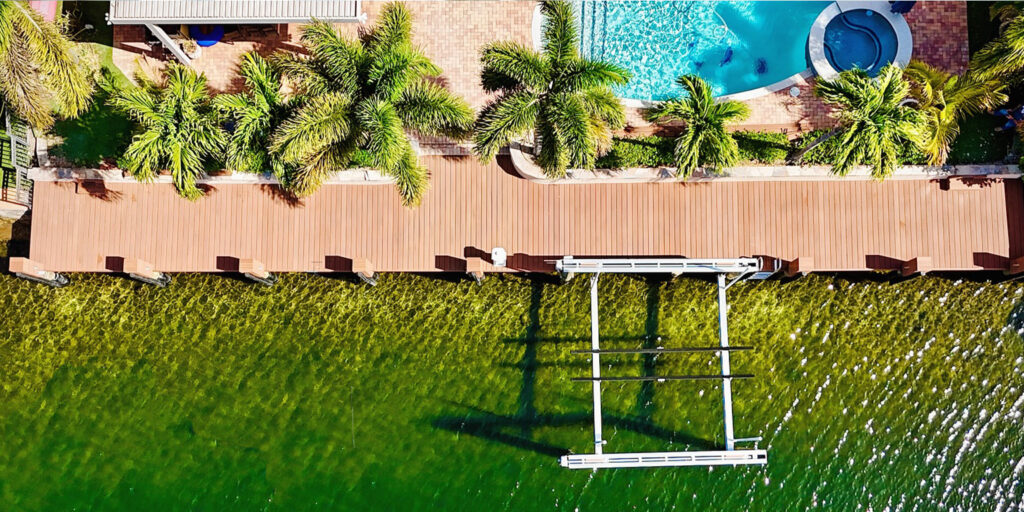
Docks Built to Endure: Top Materials and Maintenance Musts When it comes to docks, not all are built to last—and in South Florida’s challenging marine environment, durability is everything. Whether you’re a homeowner looking to upgrade or a commercial property manager investing in waterfront infrastructure, understanding what makes a dock stand the test of time is essential. From construction materials to design innovation and regular maintenance, every detail matters. Choosing the Right Materials for Long-Lasting Docks The foundation of any resilient dock starts with material selection. Traditional wood docks offer a classic aesthetic, but they’re susceptible to rot, warping, and decay—especially in humid, salt-rich environments. While wood can be treated with water-resistant sealants to improve durability and delay deterioration, it still requires consistent maintenance to remain effective over time. That’s why many dock owners are now choosing composite decking materials, which naturally resist splintering, fading, and moisture damage while offering a low-maintenance alternative. Equally important is the use of marine-grade stainless steel hardware. Unlike standard metal fixtures, marine-grade components resist corrosion and hold up against constant exposure to saltwater, sun, and storms. At Dock Experts, we never compromise on hardware—our docks are engineered with longevity in mind from the ground up. Why Pile Installation Quality Matters Your dock is only as strong as the piles holding it up. Poorly driven or misaligned piles can compromise the entire structure, leading to instability or premature failure. Dock Experts uses high-grade materials—such as concrete, composite, steel, and treated wood—combined with precision pile-driving techniques to ensure every installation is secure and built to last. A properly installed piling system means your dock can better withstand tidal shifts, boat impact, and tropical weather without shifting, leaning, or failing. Innovations in Dock Design and Flotation Solutions Modern docks go beyond wood planks and basic framing. Today’s top-tier docks incorporate custom designs that balance form and function, maximizing waterfront usability and visual appeal. We also integrate advanced flotation systems, using foam-filled or air-filled floatation units that provide consistent buoyancy and reduce the risk of uneven dock levels or submersion. These modern solutions are especially beneficial for floating docks or areas with variable water levels. The Role of Professional Installation Even the best materials and designs can fail if not installed correctly. Our certified marine contractors are specialists in coastal construction, with a deep understanding of South Florida’s tides, soil conditions, and local building codes. At Dock Experts, we approach each project with engineering precision, ensuring your dock is both beautiful and built to endure the elements. We believe in better solutions, better products, better timelines, and more consistency—because quality should never be optional. The Long-Term Benefits of a Proactive Maintenance Plan No dock stays pristine forever, but with a professional dock maintenance plan, it can stay safe and functional for years to come. Regular inspections catch issues like wood rot, pile shifting, or hardware wear early—before they lead to costly repairs. Our comprehensive maintenance services include cleaning, fastener checks, structural assessments, and seawall inspections to protect your investment and extend the life of your dock. Partner with Dock Experts for Your Next Dock Project At Dock Experts, we combine decades of marine construction experience with a passion for innovation, quality, and long-term value. Whether you’re building a new dock or looking to restore and maintain an existing one, we deliver results that speak for themselves. Ready to upgrade your waterfront? Contact Dock Experts today and let’s build a dock that lasts.
The Importance of Proper Dock Framing
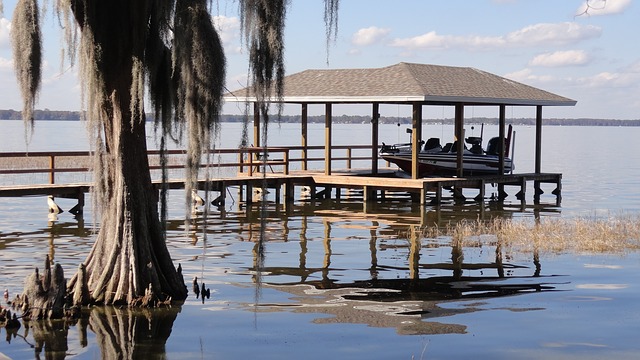
It’s important that your dock framing adheres to all applicable building codes. Taking the easy or cheapest route may come back to cause you trouble. Many waterfront homes in South Florida have retaining walls between the dock and the backyard. If you are considering adding or repairing your retaining wall or any load bearing structure, it is very important to have a certified engineer familiar with marine applications look at the plans and specifications of your load bearing foundations, footers, pin piles, and grade beams. Making sure you use the right marine grade lumber for the framing of your deck or dock is incredibly important for safety and longevity. You should always make sure your framing, stringers, and dock or deck super structure adhere to building codes for your area.