
Concrete Dock Repair: Protecting Concrete in Waterfront Environments
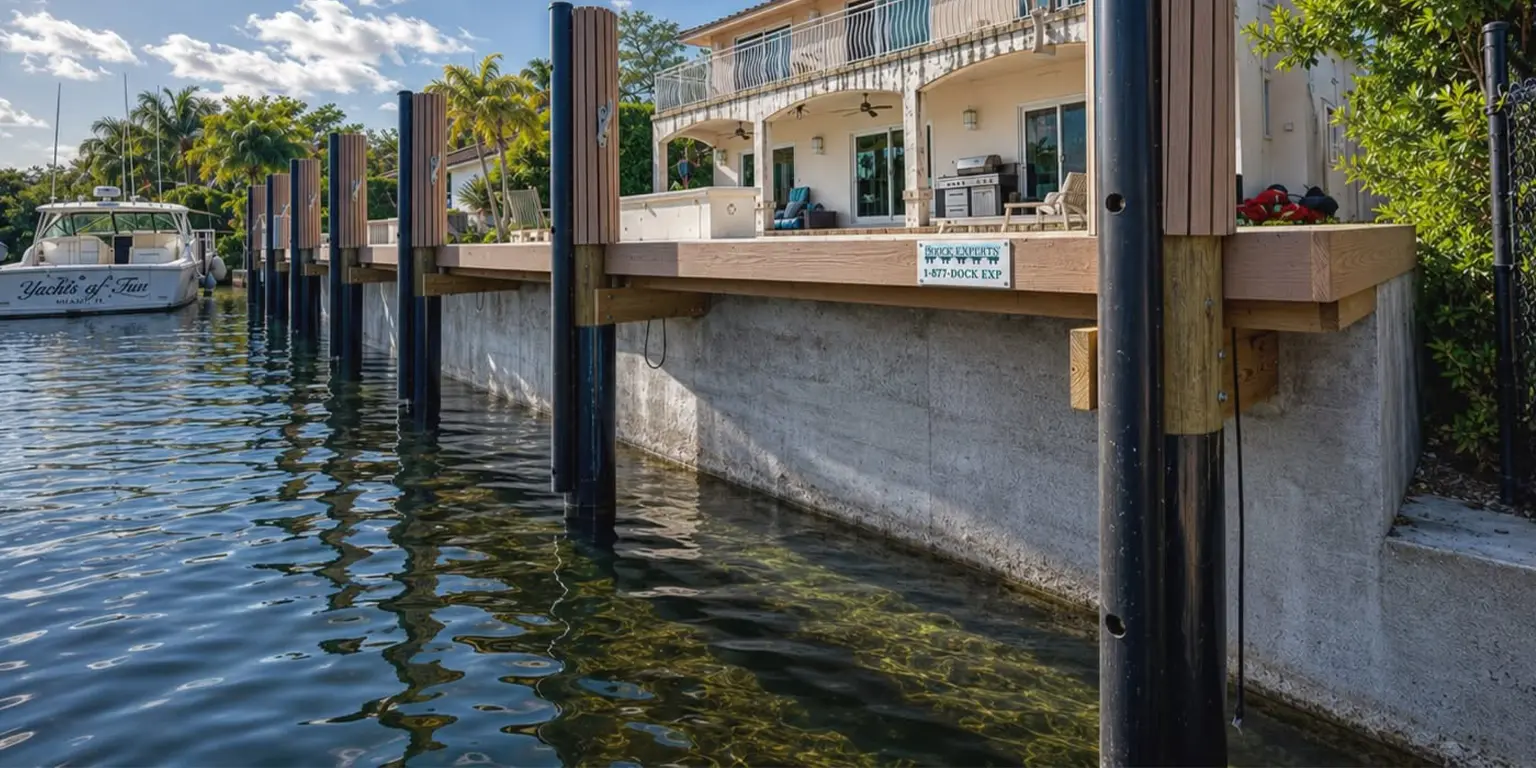
Concrete is valued around waterfront properties for its strength and durability, but even a strong material can deteriorate when it is repeatedly exposed to water, weather, and structural stresses. Concrete Dock Repair is therefore about more than improving the appearance of an aging surface; it requires understanding what is happening to the concrete and why the damage developed in the first place. A crack near the waterline, deterioration along an exposed edge, or an area beginning to flake can each tell a different story about the conditions affecting the structure. At The Dock Experts, we believe identifying the source and extent of concrete damage is an important first step toward determining an appropriate repair approach.
Why Concrete Around Docks Requires Special Attention
Concrete is durable, but waterfront environments can be demanding. Around a dock, concrete may be regularly exposed to changing water levels, spray, runoff, and standing moisture. Because concrete is naturally porous, that moisture can find its way into cracks and other vulnerable areas. Over time, repeated exposure can contribute to deterioration that extends beyond the surface.
Weather can create additional stress once moisture has entered the concrete. In colder climates, trapped water can freeze and expand, placing pressure on the surrounding material. Salt exposure presents a different concern. If chlorides reach embedded steel reinforcement, they can contribute to corrosion and eventually affect the concrete surrounding the steel.
The concrete may also be affected by conditions beyond water and weather. Settlement, soil movement, impact, or changing loads can contribute to cracking and other forms of damage. These problems can then create additional openings where moisture can enter. For this reason, Concrete Dock Repair requires looking at both the visible damage and the conditions that may be contributing to it.
Visible deterioration does not necessarily mean the entire structure has failed. What matters is where the damage is occurring, how extensive it is, and whether it appears to be progressing. A stable surface defect can represent a very different concern from widening cracks or concrete that continues to break away. Understanding those differences provides a much better starting point for determining what the concrete actually needs.
Where Concrete Dock Damage Commonly Develops
Concrete damage does not always develop evenly across a dock or waterfront structure. Exposed edges and corners, for example, can be more vulnerable to chipping and impact. Cracks and joints can create openings where moisture can enter, while areas with frequent water exposure may deteriorate differently from sections that remain relatively dry. During our inspections, we look at where these problems are developing and the conditions affecting those areas.
Some signs can also provide clues about what may be happening beneath the concrete surface. Rust-colored staining, particularly around cracks or spalled areas, may indicate corrosion of embedded steel reinforcement. White, chalky deposits known as efflorescence can point to moisture moving through the concrete and carrying salts to the surface. We consider these visible clues as part of the larger condition of the structure rather than using any single symptom to determine what repair is needed.
Movement is another important part of a thorough inspection. Concrete that has started to sink, tilt, or separate from an adjoining section may be affected by settlement or changing conditions beneath the structure. In these situations, repairing the visible surface may not address the reason the concrete moved in the first place. By examining the damaged area along with the surrounding dock and waterfront conditions, our team can develop a clearer understanding of what is contributing to the problem before recommending a repair approach.
What Happens When Water Gets Into Damaged Concrete?
A crack or deteriorated surface can give water a way into the concrete. Once inside, that moisture may reach areas that are not visibly damaged from the outside. Repeated exposure can gradually weaken the affected concrete and allow deterioration to spread beyond the original opening. In colder climates, this process can accelerate when trapped water freezes, expands, and places additional pressure on the surrounding material.
Moisture can create another problem when it reaches the steel reinforcement embedded within the concrete. Water and chlorides can contribute to corrosion of the steel, which then begins to expand as rust develops. That expansion places pressure on the concrete from within. Over time, the pressure can contribute to new cracks, spalling, and sections of concrete breaking away, leaving previously protected areas more exposed to moisture.
Choosing the Right Approach to Concrete Dock Repair
Once we understand what is happening to the concrete, we can determine which repair methods are appropriate for the affected area. Concrete Dock Repair can take several forms, and each method serves a different purpose. Cracks, for example, may be repaired with epoxy or polyurethane injection in appropriate applications. Flexible sealants can also be used for certain surface cracks where limiting future moisture infiltration is a priority.
Chipped, flaking, or spalled concrete requires a different approach. Depending on the extent of the deterioration, the damaged area may be restored with a patching compound or concrete resurfacer. More severe deterioration can require compromised material to be removed before the area is rebuilt with sound concrete. If steel reinforcement has been exposed or affected by corrosion, protecting or addressing that reinforcement may also need to be part of the repair.
Not every concrete problem begins within the concrete itself. Settlement beneath a structure can contribute to sinking or shifting, while poor drainage can allow water to repeatedly collect around vulnerable areas. In these situations, stabilization or drainage improvements may need to accompany the concrete work. By addressing these contributing conditions as part of the repair, we can focus on more than restoring the damaged surface and consider how the repaired area will perform in its waterfront environment.
Frequently Asked Questions About Concrete Dock Repair
How do I know if my concrete dock needs professional repair?
Cracks that are widening, concrete that is breaking or spalling, exposed reinforcement, uneven or shifting sections, and recurring deterioration are all good reasons to have the structure professionally evaluated. Changes around the waterline or damage that continues to worsen can also indicate that more than a simple surface repair may be needed. An inspection can help determine the extent of the damage and whether Concrete Dock Repair is appropriate.
How long does concrete dock repair take?
The time required for Concrete Dock Repair depends on the type and extent of the damage, the repair method, site accessibility, and waterfront conditions. A relatively small repair may require considerably less time than work involving extensive deterioration, reinforcement, settlement, or multiple damaged areas. After inspecting the concrete, we can provide a better understanding of the work involved.
Can concrete dock repairs be completed near or below the waterline?
Repairing concrete near or below the waterline requires careful consideration of water exposure, accessibility, the condition of the concrete, and the materials and methods appropriate for the location. Because these conditions can vary significantly from one property to another, the affected area should be evaluated before determining whether and how a repair can be completed.
Can a concrete dock be repaired without replacing the entire structure?
In some cases, yes. Localized cracks, spalling, or other deterioration may be addressed without replacing the entire concrete structure. However, the appropriate Concrete Dock Repair approach depends on the extent of the damage and whether underlying issues such as reinforcement corrosion, settlement, or structural movement are present. An inspection helps determine whether a targeted repair is suitable.
How much does concrete dock repair cost?
The cost of Concrete Dock Repair varies based on factors such as the extent and location of the damage, accessibility, the repair method required, and whether contributing problems also need to be addressed. Because waterfront structures can have very different conditions, an on-site inspection provides a more reliable basis for determining the scope of work and associated cost.
What happens if damaged dock concrete is not repaired?
Concrete deterioration can progress when the conditions causing the damage remain present. Cracks and deteriorated areas may allow additional moisture to enter, potentially contributing to further cracking, spalling, or corrosion of embedded reinforcement. Addressing problems before they become more extensive can help limit continued deterioration and provide an opportunity to determine what Concrete Dock Repair is needed.
Keep Your Dock Concrete in Good Condition
Damage to concrete can become more difficult to address when it is allowed to progress. If you’ve noticed cracking, spalling, uneven areas, or other changes around your dock, The Dock Experts can help you determine what comes next. Our experience working with waterfront structures allows us to approach Concrete Dock Repair with the demands of the surrounding environment in mind. We focus on providing the repairs your concrete needs to remain a dependable part of your waterfront property.
If you’re concerned about the condition of your dock concrete, we’re ready to take a closer look. Book an free inspection with The Dock Experts and get started with your concrete repair.