
Dock Piling Repair or Replacement? Why Inspection Comes First
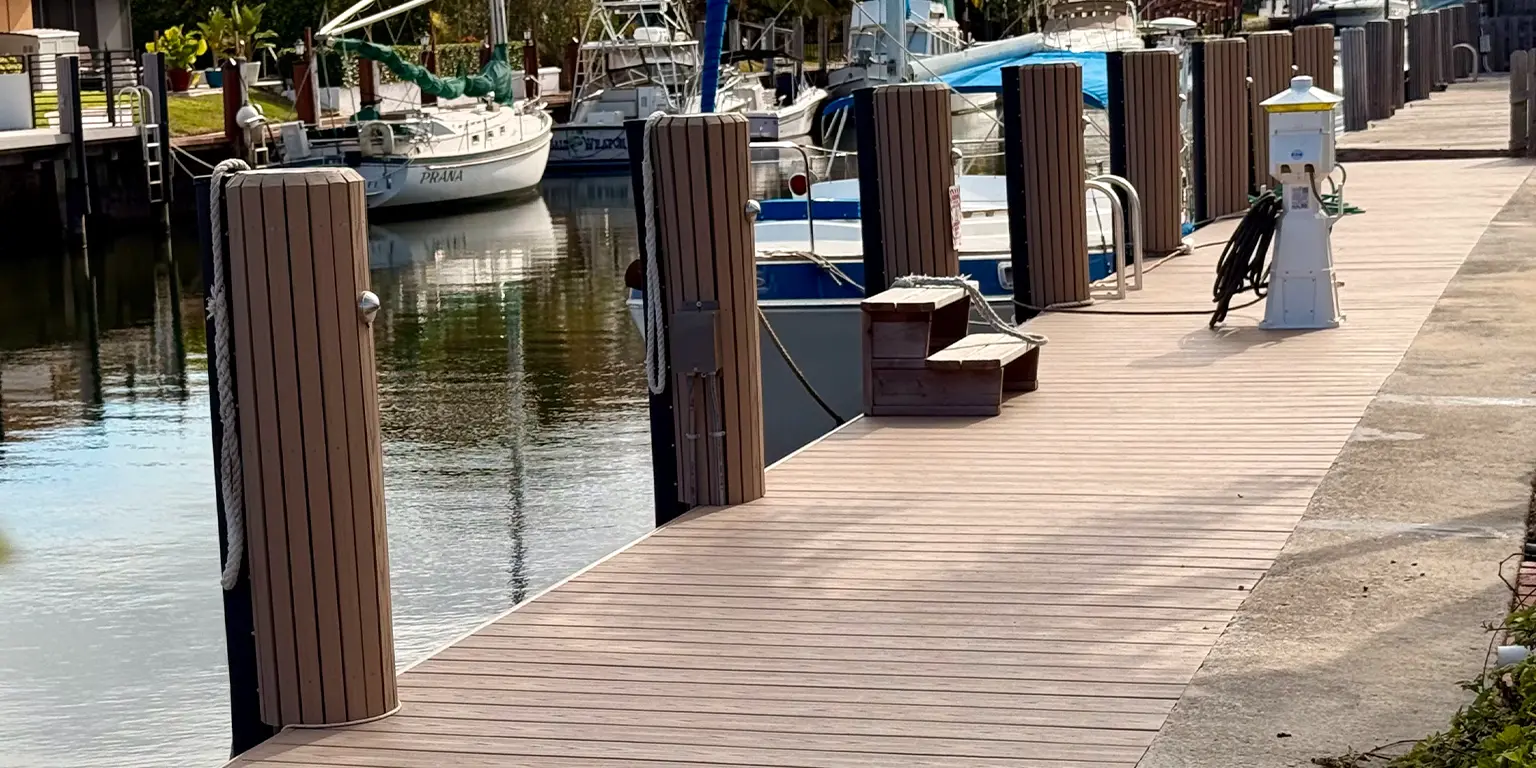
Dock pilings are the structural foundation that keeps a waterfront dock stable, secure, and capable of handling long-term environmental stress. At The Dock Experts, we know that determining whether your waterfront needs Dock Piling Repair or full replacement is not always as straightforward as it may appear from the surface. Visible damage can sometimes represent a localized issue, while in other situations, minor warning signs may point to larger structural concerns developing beneath the waterline or inside the piling itself. That is why professional inspection should always come first before deciding how to move forward with repairs, reinforcement, or replacement.
Why Dock Piling Problems Are Not Always Obvious
Some piling issues are immediately visible, while others develop internally or below the waterline where deterioration can continue unnoticed for extended periods of time. A piling may appear structurally stable from above while hidden rot, corrosion, erosion, or internal weakening gradually reduces its ability to support the dock safely. Surface discoloration, marine growth, minor cracking, or isolated movement can sometimes indicate early-stage deterioration, but they can also signal deeper structural problems that require closer evaluation. This is one of the main reasons why self-diagnosing piling damage can lead to inaccurate assumptions about the condition of the dock.
South Florida marine environments accelerate deterioration in ways that are not always easy to identify without professional experience working around waterfront structures. Saltwater exposure continuously affects piling materials and hardware, while moisture intrusion, ultraviolet exposure, and marine organisms contribute to long-term material breakdown over time. Storm activity, tidal movement, and shifting soils can also weaken foundational support beneath the dock without creating immediate visible warning signs above the surface. Even a dock that appears functional may already be experiencing progressive structural stress that only becomes clear during a thorough inspection process.
At The Dock Experts, we approach inspections with the understanding that the visible symptom is not always the actual problem affecting the piling system. Leaning pilings, uneven dock surfaces, cracking, or loose hardware may originate from deeper stability issues related to erosion, alignment loss, or advanced material deterioration. Rather than focusing only on the most obvious damage, we evaluate how the entire dock structure is responding to environmental pressure and long-term exposure conditions. This allows us to identify the root cause of the issue and recommend solutions designed for long-term structural reliability instead of temporary surface-level fixes.
What a Professional Dock Piling Inspection Helps Determine
A professional inspection helps determine whether piling damage is cosmetic, localized, structural, or progressively affecting the integrity of the entire dock system. Some docks may only require limited reinforcement or maintenance to restore stability, while others may already be experiencing widespread deterioration that compromises long-term performance. During the inspection process, we evaluate how the pilings are supporting the dock structurally and whether movement, settlement, or environmental exposure has weakened critical support areas. This level of assessment provides property owners with a much clearer understanding of the actual condition of their waterfront structure.
At The Dock Experts, we examine factors that extend beyond the visible piling itself because dock stability depends on how multiple structural components work together over time. We evaluate piling alignment, foundational support conditions, soil movement, hardware integrity, load distribution, and the condition of surrounding dock sections that may be affected by structural stress. Protective wraps, jackets, reinforcement systems, and marine-grade hardware are also reviewed to determine how well existing materials are performing in harsh marine conditions. This comprehensive approach allows us to identify whether isolated repairs are appropriate or whether deeper structural concerns require a more extensive solution.
An inspection also helps determine whether Dock Piling Repair, reinforcement, stabilization, or replacement provides the safest and most practical path forward for the property owner. Without proper evaluation, surface-level assumptions can easily overlook hidden deterioration that continues spreading beneath the visible structure. By understanding the severity, cause, and progression of the damage, we can recommend solutions based on the dock’s actual condition rather than relying on guesswork or generalized assumptions. This helps property owners make informed decisions that prioritize safety, long-term durability, and cost-effective structural performance.
When Repair May Be Recommended After Inspection
Professional repair solutions are often appropriate when damage is limited and the piling remains structurally stable despite localized deterioration or wear. Early-stage cracking, isolated impact damage, minor surface deterioration, and hardware-related issues can sometimes be addressed effectively without requiring full piling replacement. In these situations, the inspection confirms that the piling is still capable of supporting structural loads safely once the affected areas are reinforced or restored properly. Repair-focused solutions work best when deterioration has not significantly compromised foundational alignment or overall structural integrity.
At The Dock Experts, we may recommend reinforcement methods that strengthen vulnerable sections while helping protect the piling from continued environmental exposure. Protective wraps, piling jackets, marine-grade stainless steel hardware, and targeted stabilization systems can extend the lifespan of structurally sound pilings experiencing moderate wear. These solutions are designed to improve durability while minimizing disruption to the surrounding dock structure and waterfront access areas. Repair recommendations are always based on the specific condition of the piling system rather than applying the same approach to every waterfront property.
Addressing localized problems promptly often helps reduce future maintenance demands while preventing damage from spreading into adjacent pilings or support systems. In many cases, properly executed Dock Piling Repair allows property owners to preserve the existing dock structure while improving stability and extending service life. However, these decisions should always follow a professional inspection that confirms repair methods will provide reliable long-term structural performance.
When Replacement May Be the Safer Long-Term Option
Some piling systems eventually reach a condition where replacement becomes the more appropriate long-term solution for maintaining waterfront safety and structural reliability. Severe rot, extensive corrosion, major cracking, collapsed pilings, or advanced deterioration can reduce the piling’s ability to support the dock safely under normal environmental conditions. Once structural damage progresses beyond a certain point, reinforcement alone may no longer restore the strength necessary to maintain long-term performance. In these situations, replacement may provide the most effective way to restore stability while preventing continued structural decline.
Delaying replacement when severe deterioration is already present can increase both safety risks and long-term repair costs for the property owner. As weakened pilings continue losing structural capacity, additional stress may begin affecting nearby pilings, decking systems, hardware connections, and dock alignment. What initially appears to be a manageable issue can eventually develop into more widespread structural instability requiring larger restoration efforts. This is why professional evaluation remains essential before determining whether repair methods will provide reliable long-term support or if replacement is necessary to restore the dock safely.
How Piling Materials Affect the Inspection Process
Different piling materials respond to marine environments differently, which means the inspection process must account for the specific characteristics and vulnerabilities associated with each material type. Treated wood pilings remain a common option throughout South Florida because of their traditional appearance and proven waterfront performance when maintained properly. However, wood systems are more vulnerable to moisture intrusion, marine organisms, rot, and long-term environmental wear compared to some alternative materials. During inspections, we evaluate not only visible surface deterioration but also signs of internal weakening, water penetration, and structural softening that may affect the piling’s long-term reliability.
Concrete pilings offer strong resistance to rot and many forms of marine deterioration, but they still require inspection to evaluate cracking, alignment, load performance, and structural stability over time. While concrete systems generally provide excellent long-term durability, shifting soils, repeated impact stress, and environmental movement can still affect their performance beneath the dock structure. Hairline cracks, settlement issues, or changes in piling alignment may indicate deeper support concerns that need further evaluation before deciding on repairs or reinforcement strategies. Inspecting concrete systems involves understanding how environmental stress affects both the piling itself and the surrounding support conditions.
Steel dock pilings require a different inspection focus because long-term corrosion protection and structural load performance are critical factors in maintaining durability within saltwater environments. Marine-grade coatings, hardware systems, and protective treatments all influence how well steel pilings resist deterioration over time. Even high-capacity steel systems can become vulnerable if corrosion develops around critical connection points or support areas exposed to continuous environmental stress. The piling material itself plays a major role in determining whether Dock Piling Repair, reinforcement, or replacement provides the most practical long-term solution for the dock system.
Why Marine-Grade Repairs Require Specialized Expertise
Marine construction projects require specialized knowledge because waterfront structures experience conditions and structural demands that differ significantly from traditional land-based construction. Tides, soil movement, wave pressure, environmental exposure, and long-term moisture intrusion all affect how dock systems perform over time. Repairing or replacing pilings properly involves understanding how these environmental forces interact with the dock structure and its foundational support system beneath the waterline. Without marine-specific expertise, repairs may fail to address the underlying conditions contributing to the structural problem in the first place.
At The Dock Experts, we use marine-grade stainless steel hardware, corrosion-resistant materials, protective reinforcement systems, and professional marine construction techniques designed specifically for harsh waterfront environments. These materials are selected because standard hardware and construction components often deteriorate rapidly when exposed to continuous saltwater and moisture conditions. Proper reinforcement strategies must also account for structural loads, dock movement, environmental exposure, and long-term durability expectations for the property. Using the correct materials is just as important as identifying the right repair or replacement strategy during the inspection process.
The Risks of Guessing Instead of Scheduling an Inspection
Trying to determine whether a dock needs repair or replacement without professional evaluation can lead to costly mistakes and unnecessary structural risks. Some property owners may assume visible wear automatically means replacement is required, while others may underestimate serious deterioration because the dock still appears usable on the surface. In both situations, relying on assumptions instead of structural assessment can result in either overspending on unnecessary work or delaying repairs that become more severe over time. Waterfront structures are constantly exposed to changing environmental conditions that make accurate evaluation far more complex than a simple visual observation.
Inspections also help property owners make informed long-term decisions that balance structural safety, durability, and cost control more effectively. Rather than reacting only to visible symptoms, the inspection process creates a condition-based recommendation tailored to the specific dock and its environmental exposure. This approach helps reduce the likelihood of recurring structural issues caused by incomplete repairs or delayed intervention. In the long run, proper evaluation protects both the waterfront structure itself and the overall value of the property connected to it.
Start With an Inspection Before Deciding on Dock Piling Repair
Every dock is exposed to different environmental conditions, structural demands, and long-term wear patterns that influence how piling deterioration develops over time. While some docks may only require reinforcement or localized Dock Piling Repair, others may need more extensive structural restoration or replacement to maintain long-term safety and stability. The only reliable way to determine the right solution is through a professional inspection that evaluates the condition of the piling system as a whole. Making repair decisions based solely on visible symptoms can overlook deeper structural concerns that continue progressing beneath the surface.
At The Dock Experts, we help South Florida waterfront property owners make informed decisions by evaluating dock systems carefully before recommending repairs, reinforcement, stabilization, or replacement solutions. Our inspection-first approach allows us to identify the underlying causes affecting the dock and develop recommendations based on structural performance, environmental exposure, and long-term durability goals. Whether the project requires targeted repairs or full piling replacement, our team focuses on delivering dependable marine construction solutions built for demanding waterfront conditions. Starting with a professional inspection helps ensure your dock receives the right solution for its specific needs while protecting the long-term safety and value of your waterfront property.
Not sure whether your dock needs piling repair, reinforcement, or replacement? We can inspect your waterfront structure and recommend the right solution based on its actual condition. Book an appointment today to get a professional evaluation and protect the long-term stability of your dock.