
Home » Seawall Services » Seawall Repair
Seawall & Erosion Stabilization
A damaged seawall does more than affect the edge of your property. Cracks, washout, drainage failure, and shifting soil can quietly weaken the land behind the wall long before the damage becomes obvious. At The Dock Experts, we approach seawall repair by identifying where water is getting in, where support has been lost, and which repairs can help stabilize the structure without jumping straight to replacement.
Signs Your Seawall May Need Repair
Seawall damage is not always obvious at first. In many cases, the earliest signs appear around the property before the wall itself looks severely compromised. If you notice leaning or outward movement, cracks in the wall or cap, water seepage, soil pulling away from the edge, or low spots forming behind the seawall, it may be time to schedule a professional seawall repair inspection.
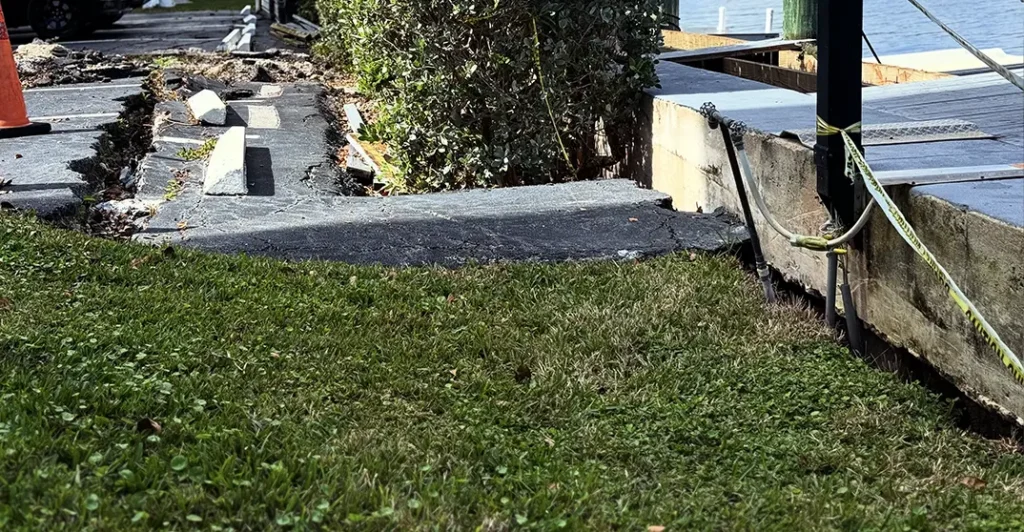
Other warning signs can include deteriorating anchor rods, sinkholes near the wall, shifting patios, uneven pavers, or soft areas in the soil after high tides or heavy rain. These issues often point to hidden movement behind the structure, where water may be washing out soil, creating voids, or placing additional pressure on the seawall. Addressing these signs early can help prevent minor damage from turning into a larger structural problem.

Seawall Damage
Causes
Causes
Polyurethane Foam Injection
Repair Solutions
Repair Solutions
Seawall Repair vs.
Seawall Replacement
Seawall Replacement
Seawall Damage
Causes
Causes
Most seawall damage starts when water, soil, and pressure stop working in balance. As water moves through cracks, joints, gaps, or blocked drainage areas, it can carry soil away from behind or beneath the seawall. Over time, that soil loss creates hidden voids, reduces support, and allows the wall to crack, settle, lean, or move outward.
Hydrostatic pressure is another common cause of seawall damage. When water becomes trapped behind the wall and cannot drain properly, it presses against the structure from the land side. Blocked weep holes, poor drainage, failed anchors, deteriorating tie-backs, and repeated water intrusion can all increase stress on the seawall. A proper seawall repair plan should identify the source of the damage, not just patch the visible symptoms.
Polyurethane Foam Injection
Repair Solutions
Repair Solutions
Polyurethane foam injection can be an effective seawall repair method when soil washout, hidden voids, or water intrusion are weakening the area behind the wall. During this type of repair, high-density polyurethane foam is injected into targeted areas on the land side of the seawall. As the foam expands, it helps fill gaps, stabilize loose soils, and seal pathways where water may be carrying soil away.
This method is often valued because it can be less invasive than excavation-heavy repairs. Professional-grade hydrophobic polyurethane foam is designed to resist water absorption, making it useful in waterfront and marine environments. It can help support the soil behind the seawall and reduce ongoing washout, but it is not a replacement for severely broken panels, failed caps, or major structural collapse. At The Dock Experts, foam injection may be recommended as part of a broader repair plan when the wall can still be stabilized and the main issue is soil loss, voids, or water movement behind the structure.
Important Note: Professional installation matters. DIY foam products typically cannot reach deep voids, hidden water paths, or areas where soil support has been lost behind the wall. A proper seawall repair approach requires evaluating where the failure is happening, placing the material at the right depth, and addressing related issues such as cracks, drainage, or pressure behind the seawall.
Seawall Repair vs.
Seawall Replacement
Seawall Replacement
Not every damaged seawall needs to be replaced. In many cases, targeted seawall repair can help restore stability, reduce water intrusion, fill voids, improve drainage, and extend the useful life of the existing structure. Repairs may be appropriate when the wall is still structurally sound but showing signs of cracking, soil washout, drainage failure, cap damage, or early movement.
Replacement may be the better option when the seawall is severely leaning, collapsing, deeply undermined, or no longer capable of being safely stabilized. Broken panels, widespread structural failure, advanced anchor deterioration, or major outward movement may require a more extensive solution. The Dock Experts evaluates the condition of the wall, soil, drainage, cap, anchors, and surrounding property before recommending repair or replacement, so property owners can make an informed decision based on the actual condition of their seawall.

Explore Common
Seawall Repair Needs
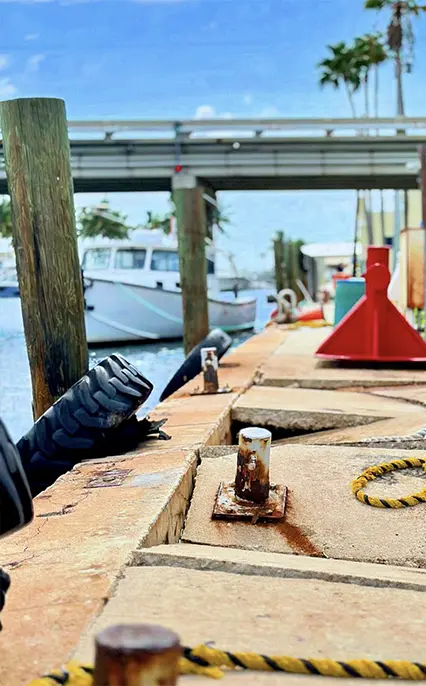
Structural Seawall & Bulkhead Repair

A failing seawall or bulkhead usually starts with small changes: soil pulling away from the edge, water escaping through joints, pavers settling near the wall, or sections that no longer sit straight. These signs often point to a deeper issue behind the structure, where moving water has created voids, loosened the soil, or placed added pressure on weakened areas. Professional seawall repair focuses on finding the source of that movement instead of simply covering the visible damage.
At The Dock Experts, we evaluate how water, soil, and structural pressure are affecting your existing seawall or bulkhead before recommending a repair plan. In many cases, the right solution may involve sealing active leaks, filling hidden voids, stabilizing the soil behind the wall, or improving the way trapped water drains from the property. This repair-first approach helps South Florida waterfront owners address damage at the source, extend the life of the structure, and avoid full replacement when the wall can still be safely restored.
Bulkhead Repair FAQ
Your bulkhead may need repair if you notice leaning, bowing, cracked panels, separating joints, soil loss, sinkholes, or uneven ground near the waterline. Other warning signs include water seeping through the wall, pavers shifting nearby, or the land behind the bulkhead starting to settle.
Yes, some damaged bulkheads can be repaired if the structure is still stable enough to support restoration. Repairs may address cracks, drainage problems, soil loss, or weakened areas. If the bulkhead is severely leaning, collapsing, or structurally compromised, replacement may be the safer long-term option.
Bulkheads often fail because of long-term water pressure, erosion, poor drainage, aging materials, soil movement, storm damage, or construction that no longer meets the property’s current conditions. Once water begins moving through or around the wall, it can wash out supporting soil and accelerate the damage.
You should schedule a repair inspection as soon as you notice signs of movement, cracking, erosion, or soil loss. Bulkhead and seawall repair issues usually get worse over time, especially when water continues to enter damaged areas. Early repairs can help reduce the risk of larger structural problems and higher repair costs.
Seawall Crack Repair

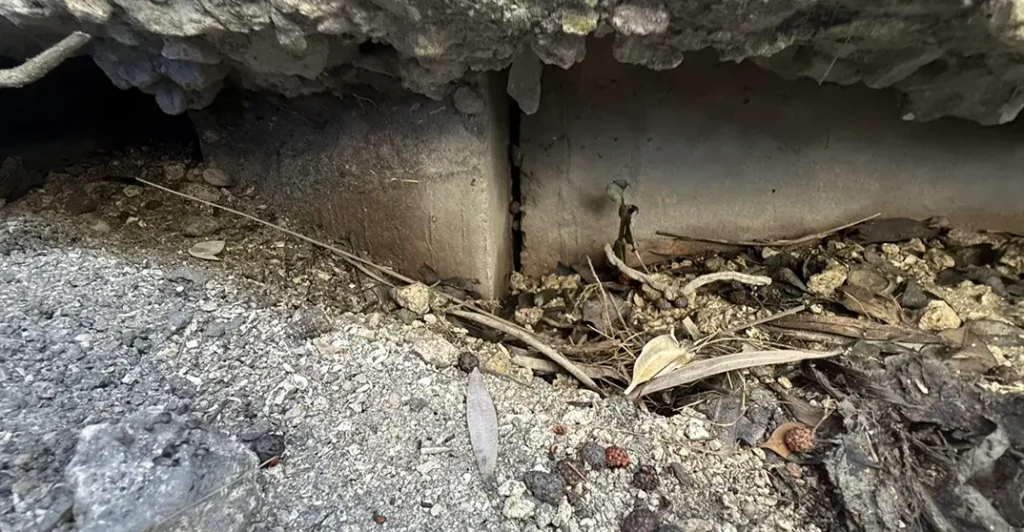
Cracks in a seawall are often the first visible sign that water, pressure, or movement is affecting the structure. Some cracks stay relatively minor, while others create pathways for water to move through the wall and pull soil from behind it. Once that washout begins, the damage can spread beyond the crack itself, leading to settlement, voids, uneven surfaces, and added stress on the seawall. That is why seawall crack repair should focus on more than filling the visible opening.
At The Dock Experts, we evaluate the size, pattern, location, and cause of the cracking before recommending a repair. A narrow surface crack may call for a different solution than a widening crack, stair-step cracking, separation near the cap, or cracking paired with soil loss behind the wall. Our seawall repair approach is designed to seal vulnerable areas, reduce water intrusion, address related erosion when present, and help prevent small cracks from turning into larger structural concerns.
Common Seawall Crack Concerns
They can be. A small crack may not mean the seawall is failing, but it should not be ignored. Cracks become more concerning when they widen, spread, leak water, appear near the cap, or show up alongside settling soil, leaning, or erosion behind the wall.
Yes. When cracks allow water to pass through the seawall, that moving water can carry soil with it. Over time, this can create empty spaces behind the wall, cause the ground to sink, and weaken the support that helps keep the seawall stable.
The repair method depends on what caused the crack and how much damage is present. Some cracks can be sealed with marine-grade materials, while others may require leak sealing, void filling, soil stabilization, drainage improvements, or reinforcement to address the issue behind the crack.
Cracks may point toward replacement when they are large, spreading, paired with major wall movement, or connected to severe soil loss or structural failure. The Dock Experts can inspect the seawall and determine whether targeted repair is still a safe option or whether replacement would provide better long-term protection.
Seawall Drain System Installation

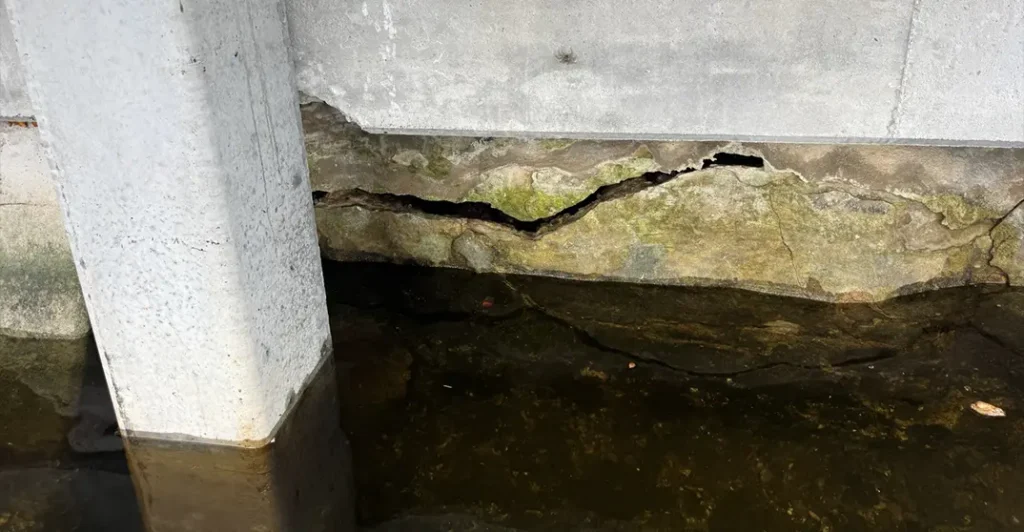
Water building up behind a seawall can create pressure that the structure was not meant to hold indefinitely. Without a proper way for trapped water to drain, that pressure can push against the wall, widen existing cracks, force water through weak points, and contribute to bowing or movement over time. Seawall drain system installation helps manage that hidden pressure by giving water a controlled path out instead of allowing it to collect behind the structure.
At The Dock Experts, we look at how water is moving through the property before recommending a drainage solution. In some cases, drainage improvements may include weep holes, relief drains, filter materials, or other systems designed to reduce pressure while helping keep soil from washing through the wall. As part of a larger seawall repair plan, improved drainage can help protect previous repairs, reduce recurring damage, and support the long-term stability of the seawall.
Seawall Drain Questions
A seawall needs drainage because water naturally collects behind the wall from rain, tides, irrigation, and groundwater movement. Without drainage, that trapped water can add pressure to the structure and make existing weaknesses worse.
Hydrostatic pressure is the force created when water builds up behind the seawall and presses against it. The more water that collects without draining, the more stress it can place on the wall, especially if the seawall already has cracks, weak joints, or poor soil support.
Yes, weep holes can help protect a seawall by allowing trapped water to escape through controlled openings. However, they need to be properly placed and filtered so water can drain without carrying soil out from behind the wall.
Drainage should be considered when water is collecting behind the seawall, soil is staying saturated, or pressure is contributing to cracks, seepage, or movement. Adding the right drainage solution during seawall repair helps relieve pressure behind the wall, protect the repaired areas, and support a stronger long-term result.
Seawall Erosion, Soil Loss, and Voids

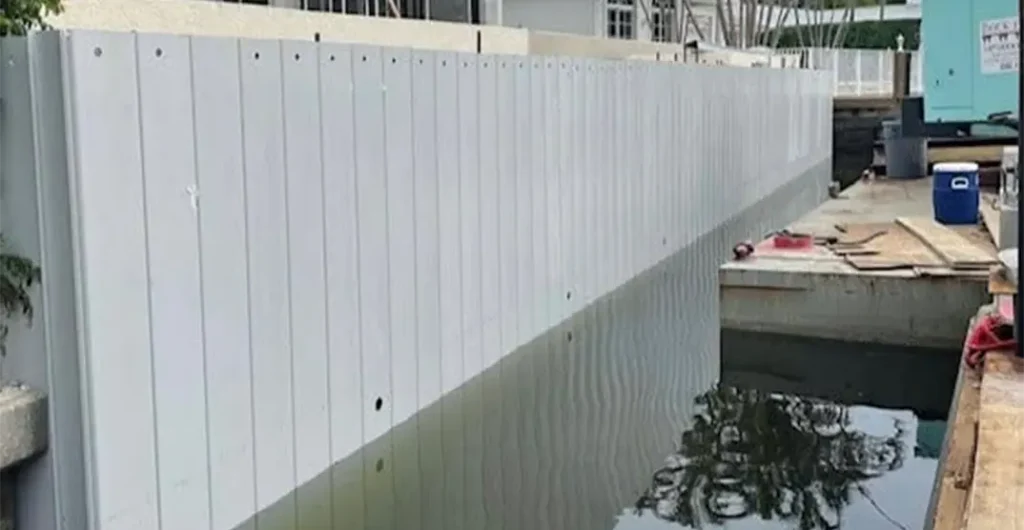
Soil loss behind a seawall can happen gradually, often before the surface damage becomes obvious. As water moves through cracks, joints, gaps, or weak points in the wall, it can carry soil away and leave empty spaces behind the structure. These hidden voids reduce the support your seawall depends on, which can lead to settling, sinkholes, uneven patios, shifting pavers, and added stress on the wall itself.
At The Dock Experts, our seawall repair process looks beyond the face of the wall to identify where support has been lost behind it. Soil stabilization and void filling can help restore support by filling empty spaces, reducing continued washout, and strengthening the ground behind the seawall. When paired with the right drainage or crack repair solutions, this service helps protect your shoreline from further erosion and supports a more stable, long-lasting repair.
Seawall Erosion Repair FAQ
Voids behind a seawall are usually caused by water moving through cracks, joints, gaps, or poorly drained areas and carrying soil away over time. They can also develop when drainage is not properly filtered, allowing soil to escape while water passes through.
Common signs of soil washout include sinkholes, soft spots, low areas near the seawall, shifting pavers, cracks in nearby patios, or soil pulling away from the wall. You may also notice water carrying sand or sediment through cracks or drainage points.
Void filling can help reduce the risk of sinkholes by filling empty spaces where soil has been lost and improving support behind the seawall. If water intrusion or drainage issues are also contributing to the problem, those issues may need to be addressed as part of the repair.
Soil stabilization is often less disruptive than full seawall replacement because it can usually be performed without removing the entire structure. The exact process depends on the condition of the seawall, the size of the voids, and how easily the affected areas can be accessed.
Seawall Raising

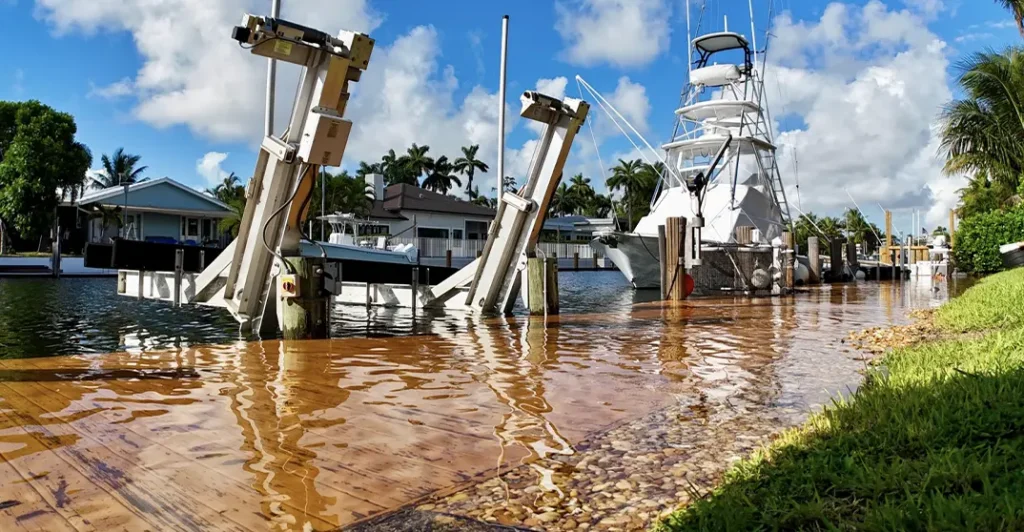
A seawall that once provided reliable protection may become too low as waterfront conditions change. Higher tides, storm surge, heavy rain, and changing drainage patterns can allow water to reach or overtop the wall more often, putting added stress on the structure and the property behind it. Seawall raising helps improve shoreline protection by increasing the wall’s effective height, reducing overflow, and helping the existing seawall perform better against current water conditions.
At The Dock Experts, we evaluate the existing wall before recommending seawall raising as part of a repair or improvement plan. The condition of the cap, panels, tie-backs, soil, and drainage all matter because raising a seawall only makes sense when the structure can properly support the upgrade. When appropriate, raising the seawall can help extend the usefulness of the existing system, improve flood resistance, and reduce the risk of recurring erosion behind the wall.
Seawall Raising
Common Concerns
Yes, some existing seawalls can be raised, but the wall must be inspected first. The Dock Experts looks at the structure’s strength, age, material, cap condition, anchoring, and surrounding soil to determine whether raising is a safe option.
Signs a seawall needs to be raised can include…
- Tide marks near the top of the wall
- Water spilling over during king tides or storms
- Staining or algae growth along the upper edge, erosion behind the seawall
- Soggy soil near the waterfront
- Pavers and landscaping shifting after high-water events
These clues may indicate the wall is no longer providing enough height for the property’s current water conditions.
Seawall raising can help reduce flooding caused by water overtopping the wall from tides, surge, or elevated water levels. However, flooding can also come from rain, drainage issues, or groundwater, so the full property conditions should be evaluated before choosing the right solution.
It depends on the condition of the existing seawall. Raising may be a good option when the wall is still structurally sound but no longer tall enough. If the seawall is severely cracked, leaning, undermined, or failing, replacement may provide the safer long-term result.
Seawall Cap Repair & Replacement

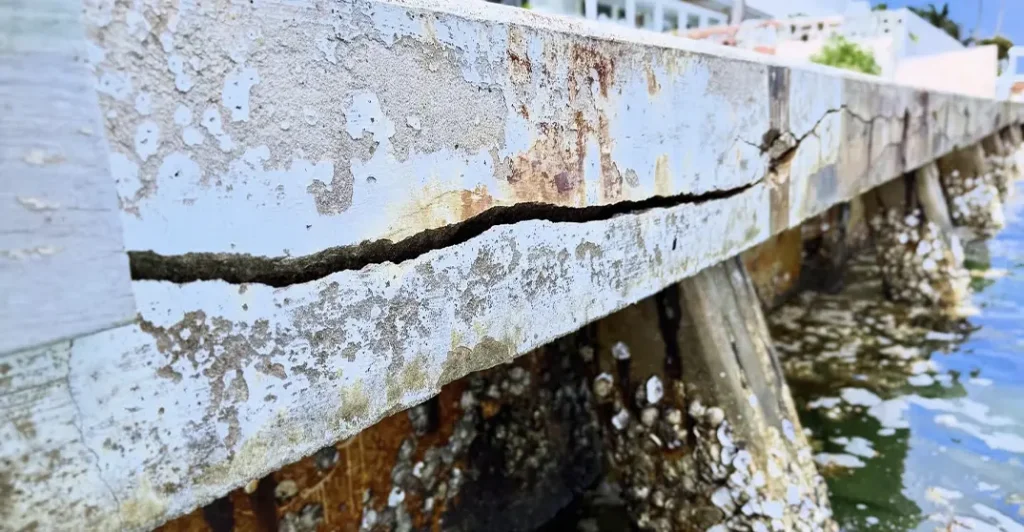
A damaged seawall cap may look like a surface-level issue, but it can also point to movement, pressure, or deterioration within the wall below. The cap ties the top of the seawall together, helps distribute load across the structure, and provides a finished edge along the waterfront. When a seawall cap starts cracking, separating, chipping, or becoming uneven, it may be a sign that water intrusion, soil movement, corrosion, or structural stress is affecting more than just the visible concrete.
At The Dock Experts, we inspect damaged seawall caps to determine whether the issue is cosmetic, structural, or connected to a larger repair need. Some caps can be repaired by addressing cracks, broken concrete, or isolated deterioration, while more severe damage may require seawall cap replacement to restore strength and stability. As part of our seawall repair process, we look at how the cap, wall, soil, and drainage are working together so we can recommend a solution that protects both the appearance and performance of your waterfront structure.
SEAWALL CAP Repair FAQ
Not always. Some cracks are isolated to the cap itself, while others may signal movement in the wall, pressure behind the seawall, or deterioration around the reinforcement. The safest approach is to have the cap inspected so the visible damage can be compared with the condition of the wall, soil, and nearby surfaces.
Yes, especially if the damage allows more water into vulnerable areas or leaves the top of the wall less supported. A weakened cap can make existing movement, cracking, or separation worse over time, which is why cap damage should not be ignored.
Separation can happen when the wall shifts, soil behind the seawall settles, pressure builds up behind the structure, or the cap itself deteriorates with age and exposure. Because separation may involve more than surface concrete damage, The Dock Experts looks for the cause before recommending a repair.
It depends on what is causing the damage. If erosion, drainage failure, or wall movement is stressing the cap, those issues may need to be addressed first or alongside the cap repair. A proper inspection helps prioritize the work so the repair is not only cosmetic.
Understanding Seawall Repair Permit Requirements
Many seawall repair and replacement projects require permits, approvals, and supporting documentation before construction can begin. Rather than dealing with the paperwork and regulatory requirements yourself, let our experienced team handle the process for you. We coordinate permitting, prepare necessary documentation, and work to keep your project moving forward efficiently. From the initial application through project completion, The Dock Experts helps make the permitting process as smooth and stress-free as possible.
At The Dock Experts, we inspect damaged seawall caps to determine whether the issue is cosmetic, structural, or connected to a larger repair need. Some caps can be repaired by addressing cracks, broken concrete, or isolated deterioration, while more severe damage may require seawall cap replacement to restore strength and stability. As part of our seawall repair process, we look at how the cap, wall, soil, and drainage are working together so we can recommend a solution that protects both the appearance and performance of your waterfront structure.
Our Seawall Repairs and Replacement In Action

Select a Location
To view our service areas throughout florida.
Lighthouse Point
Rockledge
Jacksonville
Jacksonville Orange Park
Fleming Island Atlantic Beach
Palm Valley
Lighthouse Point
Brevard
Jacksonville