
Saltwater Corrosion: How It Affects Dock Hardware and Structural Integrity
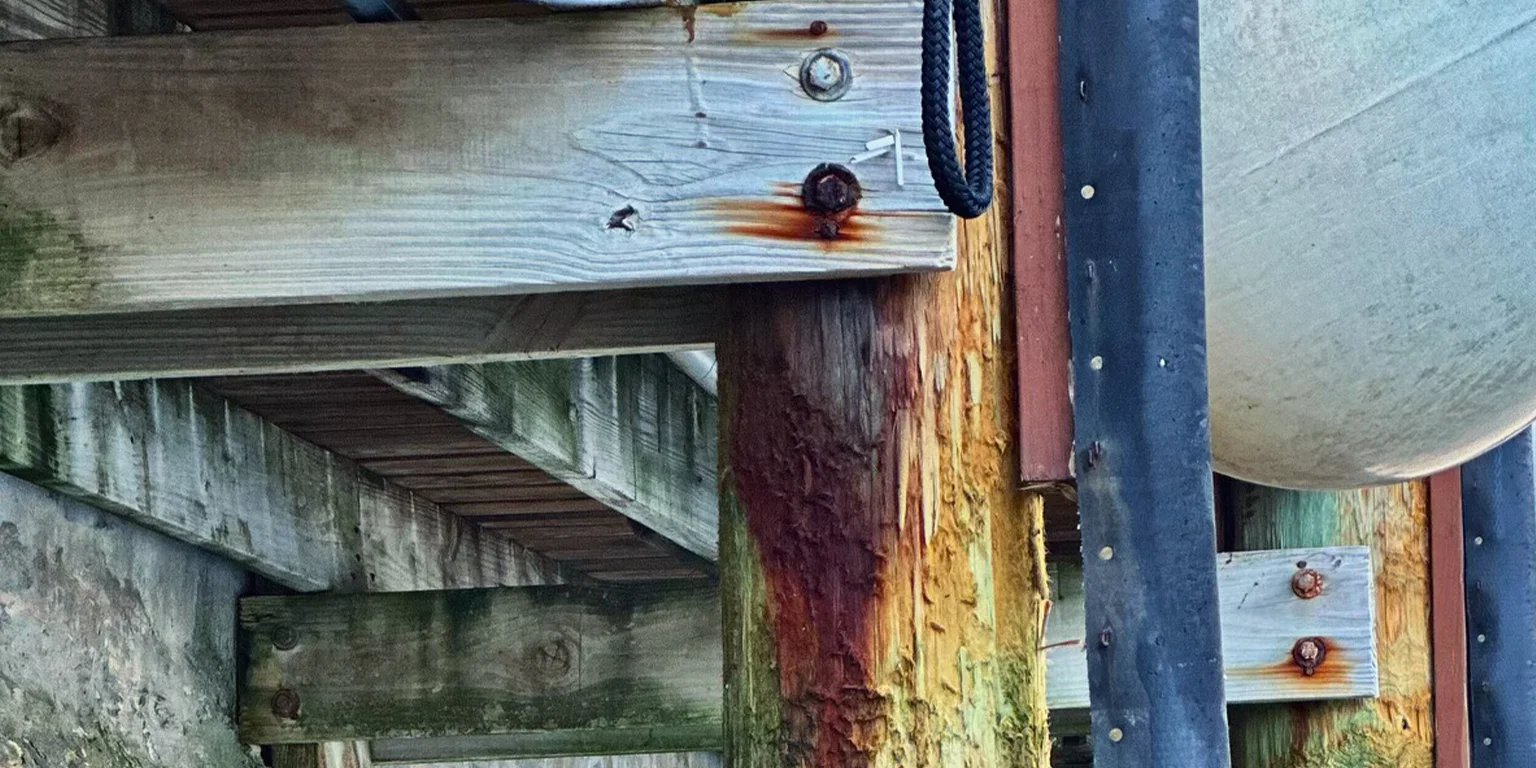
Coastal environments can be tough on waterfront structures. Constant exposure to salt, moisture, and changing water levels gradually takes a toll on dock materials, making regular dock maintenance an important part of protecting their condition. One of the biggest concerns is saltwater corrosion, which can weaken the metal hardware that holds a dock together. Fasteners, brackets, and structural connections are all vulnerable to deterioration, and damage to these components can affect the stability of the entire structure.
What Causes Saltwater Corrosion on Docks?
Metal naturally reacts with its surrounding environment, and certain conditions can cause it to deteriorate faster. Saltwater is particularly corrosive because its dissolved salts make it easier for electrical currents to flow. This accelerates the chemical reactions that cause susceptible metals to break down.
For coastal docks, exposure goes beyond direct contact with seawater. Waves and tidal fluctuations repeatedly wet exposed hardware, while airborne salt can settle on components above the waterline. As moisture evaporates, salt deposits remain behind and can continue attracting moisture from the air.
Some areas are more vulnerable than others. Hardware near the waterline experiences frequent changes in moisture exposure, while connections in enclosed spaces may stay damp for extended periods. Over time, these conditions can lead to rust, pitting, and the gradual loss of metal.
How Saltwater Corrosion Affects Dock Hardware and Structural Connections
A dock depends on numerous metal components to hold its structure together. Fasteners secure individual materials, while brackets and connectors help maintain the alignment and stability of larger sections. When corrosion weakens these components, the connections they support may become less reliable.
The extent of the damage depends on the material, its exposure to saltwater, and how far deterioration has progressed. However, certain types of hardware are particularly important to monitor.
Fasteners, Bolts, and Screws
Fasteners hold decking, framing, and other dock components in place. As saltwater corrosion develops, susceptible metal fasteners may begin to rust or form small pits along their surfaces. Continued deterioration can reduce the amount of sound metal remaining, weakening their ability to maintain secure connections. Because portions of these fasteners are often concealed within the structure, damage may progress without being immediately noticeable.
Brackets, Plates, and Structural Connectors
Brackets, plates, and connectors join different sections of a dock and help transfer forces between structural components. Corrosion can gradually reduce their thickness, particularly around edges and fastener openings where damage may be concentrated. As these areas weaken, the connections may become less capable of handling the loads placed on them. Maintaining this hardware helps protect the stability and reliability of the dock.
Metal Hardware Near the Waterline
Hardware near the waterline faces frequent exposure to waves, splashing, and changing tides. These conditions repeatedly introduce saltwater to metal surfaces and can create areas where moisture remains trapped. Protective coatings may also wear down over time, leaving the underlying metal more exposed. Regular attention to these vulnerable components helps identify deterioration before it causes more extensive problems.
Warning Signs of Saltwater Corrosion on Your Dock
Corrosion often begins with subtle changes that become more noticeable as deterioration progresses. Recognizing these early signs gives waterfront property owners an opportunity to address concerns before important structural connections are affected.
Common warning signs include:
- Rust stains and discoloration: Reddish-brown staining around steel hardware may indicate that corrosion has begun.
- Pitting and surface damage: Small holes, rough patches, or uneven metal surfaces can indicate localized deterioration.
- Flaking or deteriorating metal: Scaling and visible material loss may suggest that corrosion has progressed beyond the surface.
- Loose or damaged hardware: Fasteners and connectors that appear worn, damaged, or no longer secure may need professional attention.
- Unusual movement at connections: Changes in how dock sections move or respond to weight may indicate problems with structural connections.
Not all corrosion is immediately visible. Some of the most concerning deterioration can develop beneath decking, behind brackets, or within connections that are difficult to access. This is why changes in a dock’s condition should be taken seriously, even when the visible damage appears limited.
Professional evaluation can help determine whether corrosion has affected important structural components and what measures are needed to address it.
Why Proactive Dock Maintenance Matters in Saltwater Environments
Saltwater corrosion is a continuing concern for coastal docks, but preventive care can make a meaningful difference in how its effects are managed. Regular dock maintenance helps property owners stay aware of vulnerable hardware, recognize deterioration early, and address conditions that contribute to damage. Taking action before corrosion becomes severe can also help reduce the need for more extensive repairs.
Identifying Corrosion Early
Changes in exposed hardware often provide the first indication that corrosion is developing. Rust, worn protective coatings, and small areas of pitting can all signal that a component needs attention. Monitoring these conditions over time makes it easier to recognize deterioration before it becomes more extensive. Professional dock maintenance can also help identify concerns in connections and other areas that are difficult for property owners to assess.
Reducing Salt and Moisture Buildup
Salt deposits, debris, and trapped moisture can contribute to corrosion around dock hardware. Appropriate cleaning helps remove buildup from accessible surfaces, while keeping drainage areas clear can reduce prolonged moisture exposure where the dock’s design allows. Cleaning methods should be suitable for the materials involved and safe for the surrounding marine environment. Maintaining protective finishes can also help limit direct exposure to corrosive conditions.
Addressing Deteriorating Connections Promptly
When corrosion begins affecting dock hardware, timely attention can help prevent further deterioration. Some components may benefit from renewed protective coatings, while others may need replacement if significant material loss has occurred. The appropriate solution depends on the condition of the hardware and its role in supporting the structure. Professional evaluation helps ensure that deteriorating connections receive the attention needed to maintain their intended function.
Together, these maintenance practices help protect essential dock components and support the structure’s long-term reliability. They also give property owners greater control over developing problems rather than allowing deterioration to progress unnoticed.
How Corrosion-Resistant Materials Support Long-Term Dock Protection
The type of metal used in dock hardware has a significant influence on its ability to withstand saltwater exposure. Materials designed for marine environments generally provide better corrosion resistance than ordinary hardware that lacks suitable protection.
Marine-grade stainless steel and appropriately coated metals are common examples. These materials can help slow deterioration, although their performance depends on the surrounding conditions and how they are used.
Compatibility between different metals also matters. When certain dissimilar metals come into contact in the presence of saltwater, a process called galvanic corrosion can occur. This causes one metal to deteriorate more quickly than it otherwise would.
Choosing compatible materials and maintaining protective coatings helps reduce these risks. However, even corrosion-resistant hardware benefits from regular attention. Combining suitable materials with proactive dock maintenance provides a stronger approach to protecting structural connections against long-term saltwater exposure.
Protect Your Dock With Proactive Maintenance
Saltwater corrosion can gradually weaken the hardware that keeps a dock stable and secure. From small fasteners to larger structural connectors, these components play an important role in the dock’s overall performance. Recognizing early signs of deterioration and addressing vulnerable areas can help prevent minor concerns from developing into more extensive damage.
Consistent dock maintenance provides an opportunity to protect these connections, manage corrosive conditions, and support the structure’s long-term durability. With the right approach, waterfront property owners can help preserve their docks and reduce the risk of avoidable structural problems.
At The Dock Experts, we understand the challenges that coastal environments present for waterfront structures. If you’ve noticed signs of corrosion or want to take a more proactive approach to protecting your dock, Call our team to discuss your dock maintenance needs and the appropriate next steps for your property.