
Weep Holes in Retaining Wall: Why Drainage Matters
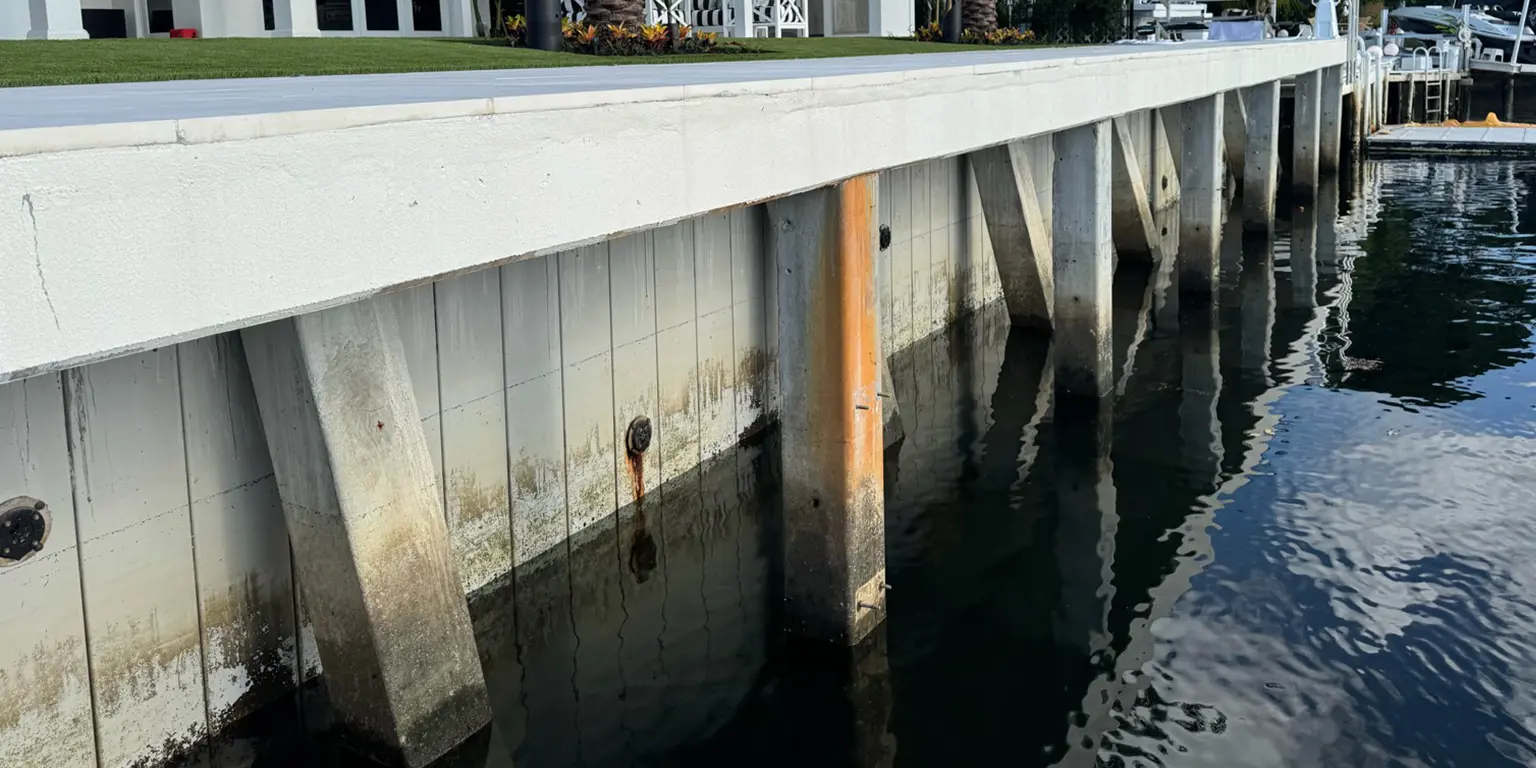
Weep holes in retaining wall systems play an important role in helping trapped water escape before pressure builds behind the structure. At The Dock Experts, we often see how drainage, erosion, soil movement, and shoreline conditions all work together to affect the long-term stability of a waterfront retaining wall. A retaining wall is designed to hold back soil, stabilize sloped areas, and protect property from erosion, but even a strong wall can become stressed when water has nowhere to go. That is why proper drainage should never be treated as an afterthought, especially on waterfront properties exposed to rain, runoff, tides, ocean spray, and changing water levels.
What Are Weep Holes in a Retaining Wall?
Weep holes are small openings built into or added through a retaining wall to give trapped water a controlled path out. Instead of allowing water to collect behind the wall and push against it, these openings help relieve pressure by allowing drainage through the wall face. They are often used as part of a broader retaining wall drainage system, not as the only protective feature. Depending on the wall design and property conditions, drainage may also involve gravel backfill, filter fabric, French drains, or other solutions that help manage water movement behind the structure.
In shoreline retaining wall systems, weep holes in retaining wall drainage plans help manage the added moisture and pressure that come with coastal conditions. Runoff from the property, ocean spray, saturated soils, high tides, wave impact, and debris movement during storms can all affect how water collects behind and around the wall. These conditions make drainage planning a key part of long-term wall performance. When we assess a retaining wall, we look at how water is moving through the site, where pressure may be building, and whether the existing drainage features are doing their job.
Weep holes are different from French drains because they do not redirect water across a larger drainage path on their own. A French drain is typically installed behind or near the wall to collect and move water away from vulnerable areas. Weep holes create exit points through the wall itself, which can help relieve pressure at the wall face. The best drainage approach depends on the wall’s material, age, location, condition, and exposure to shoreline conditions.
Why Water Pressure Is a Major Concern Behind Retaining Walls
Retaining walls are built to counteract the lateral pressure of soil, but water changes the load placed on the structure. When soil becomes saturated, it becomes heavier and can press harder against the wall. This trapped water creates hydrostatic pressure, which can push outward until the wall begins to crack, lean, bow, or shift. Without proper drainage, even a wall made from concrete, stone, or treated wood can become vulnerable over time.
Hydrostatic pressure is one of the most common reasons drainage becomes a priority in retaining wall repair. A small crack may appear cosmetic at first, but if water continues to build behind the wall, that crack can widen and allow more moisture to move through the structure. Bowing or leaning can suggest that the wall is no longer resisting the pressure behind it evenly. Once the wall begins to move, drainage improvements may need to be paired with structural repair, reinforcement, or foundation stabilization.
Waterfront retaining walls face additional challenges because they often sit in active environments. Rain and runoff may collect behind the wall from one side, while tides, waves, and water-level changes affect the shoreline side. Ocean spray and saltwater exposure can also contribute to corrosion in reinforced retaining walls, weakening internal support over time. That is why a drainage issue near the water should be evaluated with the full site in mind, not just the visible wall surface.
Signs Your Retaining Wall May Not Be Draining Properly
A retaining wall with poor drainage usually gives warning signs before it reaches the point of failure. Cracking is one of the most noticeable signs, especially when cracks are horizontal, spreading, or located in areas where pressure is pushing outward. Leaning or bowing can also point to instability caused by hydrostatic pressure, erosion, or inadequate foundational support. These conditions should be taken seriously because they can worsen when the next round of heavy rain, high tide, or soil movement adds more stress.
Discoloration and efflorescence are also important clues. Efflorescence appears as a white, chalky residue on the wall surface and often suggests that water is moving through the wall and depositing salts as it evaporates. Loose joints, gaps, or shifting sections can indicate that water is finding its way through weak points instead of draining properly through planned openings. Soil settling, depressions, or sinkholes behind the wall may suggest that erosion is occurring out of sight.
Erosion at the base of the wall is another concern, particularly for waterfront properties. When soil washes away from the base, the wall can lose the support it needs to remain stable. Wave action, runoff, or poor drainage can all contribute to this type of soil loss. If the base begins to weaken, the wall may shift, settle unevenly, or become more vulnerable to larger structural damage.
How Weep Holes Help Reduce Hydrostatic Pressure
The main purpose of a weep hole is to relieve pressure by allowing water to escape before it builds up behind the wall. When water moves through the soil and reaches the wall, it needs somewhere to go. If it cannot drain properly, pressure continues to increase until the wall absorbs more force than it should. Properly placed weep holes can help reduce that trapped pressure and support the wall’s ability to perform as intended.
When we evaluate weep holes in retaining wall systems, we are not only looking for whether openings exist. We also consider whether they are positioned correctly, whether water can reach them, and whether they are clear enough to drain. A wall may have weep holes that are blocked by sediment, vegetation, debris, or poor backfill conditions. In those cases, the wall may still experience drainage problems even though openings are visible from the outside.
Weep holes are most effective when they work with the materials and drainage design behind the wall. Gravel backfill can help water move toward the drainage openings instead of becoming trapped in dense soil. Filter fabric can help reduce clogging by separating soil from drainage stone. French drains or other drainage systems may be needed when the property has heavier runoff, steep slopes, or ongoing saturation behind the wall.
Are Weep Holes Enough to Fix a Damaged Retaining Wall?
Weep holes can help manage water pressure, but they do not repair structural damage by themselves. If a retaining wall is already cracked, leaning, bowing, settling, or losing soil at the base, the underlying issue needs to be identified before choosing a repair plan. Drainage may be part of the solution, but the wall may also need crack repair, foundation stabilization, reinforcement, erosion control, or partial replacement. Treating the drainage without addressing structural damage can leave the property exposed to continued movement.
That is why we do not treat weep holes in retaining wall repair as a one-size-fits-all fix. A crack may need to be filled with marine-grade concrete or epoxy to restore integrity and reduce water infiltration. A leaning wall may require a strengthened foundation, added support, deeper base work, or underpinning. If erosion has removed soil around the base, riprap, gravel, or erosion-control materials may be needed to help stabilize the area.
For reinforced retaining walls, corrosion is another issue that must be considered near the water. Saltwater exposure can cause steel or metal reinforcements to deteriorate over time, reducing the wall’s strength from within. If reinforcement has been compromised, drainage improvements alone will not restore the wall’s full load-bearing ability. In more severe cases, damaged sections may need to be rebuilt or replaced with stronger materials and an improved design suited for coastal conditions.
Weep Holes, French Drains, and Other Drainage Solutions
A well-planned retaining wall drainage system may include several components that each serve a different purpose. Weep holes allow water to exit through the wall, while French drains help collect and redirect water from behind or around the structure. Gravel backfill improves drainage by creating space for water to move more freely, rather than staying trapped in compacted soil. Erosion-control materials can help protect the base of the wall from washout caused by runoff, waves, or shifting shoreline conditions.
For many shoreline properties, weep holes in retaining wall projects are only one part of the larger drainage strategy. If the surrounding property slopes toward the wall, runoff may need to be redirected before it collects behind the structure. If the soil holds water for long periods, drainage stone, filter fabric, and subsurface drainage may be needed to reduce saturation. If the wall is already showing signs of movement, drainage improvements may need to happen alongside reinforcement or foundation stabilization.
At The Dock Experts, we look at drainage as part of the entire retaining wall system. That includes how the wall was built, what materials were used, how water reaches the wall, and whether the shoreline is losing soil. We also consider how nearby features such as docks, patios, walkways, landscaping, and outdoor living areas may be affected if the wall continues to move. This broader approach helps us recommend solutions that support both immediate repair needs and long-term property protection.
Protect Your Retaining Wall with Proper Drainage
With the right design, weep holes in retaining wall systems can help relieve trapped water, reduce pressure, and support the long-term performance of the structure. They are especially valuable when they are part of a complete drainage plan that accounts for soil conditions, runoff, slope, shoreline exposure, and the overall condition of the wall. When drainage is ignored, water pressure can quietly contribute to cracking, bowing, erosion, settlement, and structural weakening. When drainage is planned correctly, the wall has a better chance of doing what it was built to do: protect the property and stabilize the land behind it.
At The Dock Experts, we help waterfront property owners address retaining wall drainage, repair, reinforcement, erosion control, and replacement with solutions built around real site conditions. If you notice cracks, leaning, discoloration, loose joints, erosion at the base, or settling soil near your retaining wall, it may be time for a professional inspection. Our team can assess the wall, explain what is causing the issue, and recommend a repair plan that fits your property’s needs. Contact The Dock Experts to schedule an on-site review and protect your retaining wall before drainage problems become larger structural concerns.