
Is a Concrete Retaining Wall Right for Your Property?
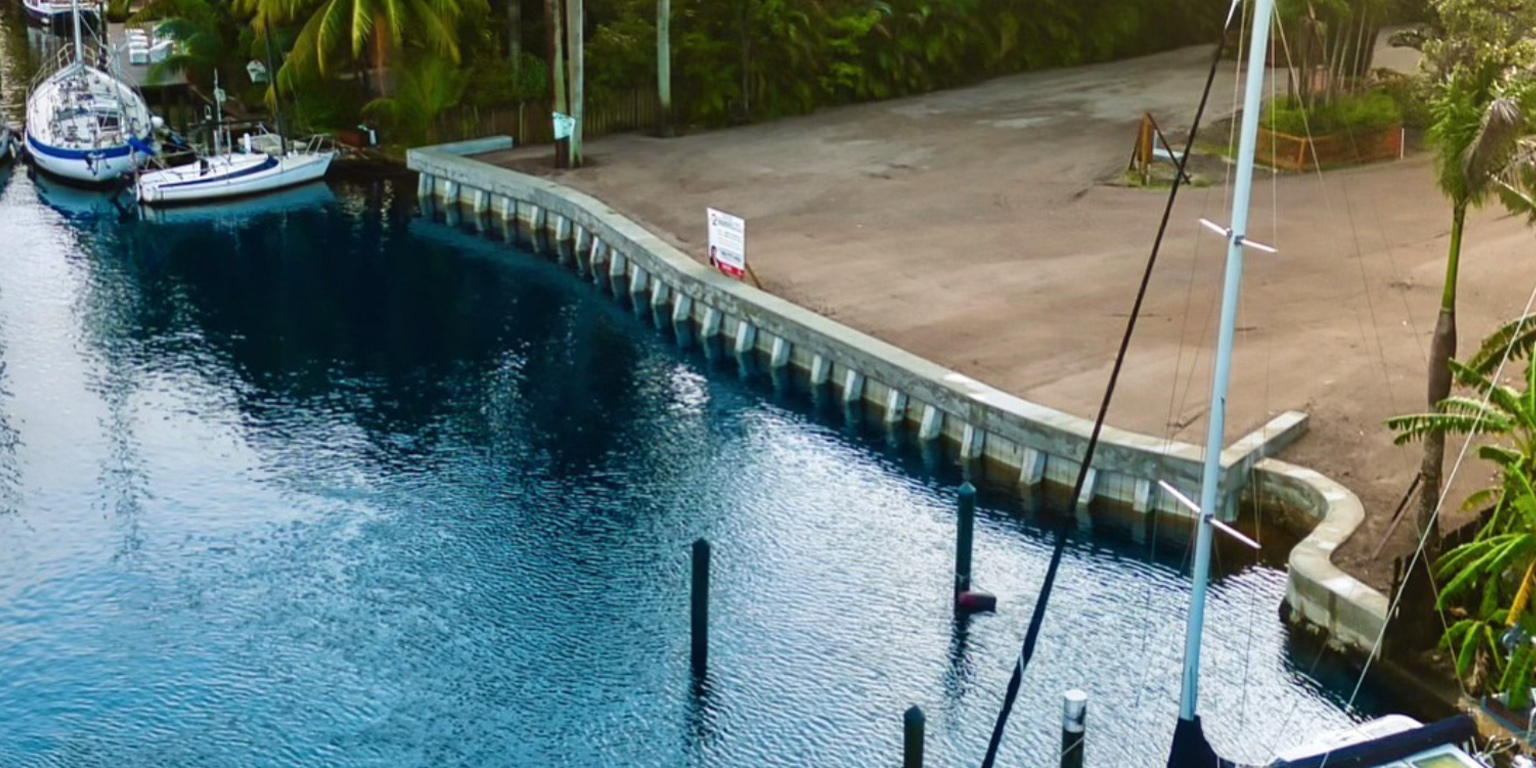
A concrete retaining wall can be a strong option when your shoreline needs soil stabilization, erosion control, and long-term structural support. Retaining walls near the water have to account for soil movement, changing water levels, drainage challenges, and constant exposure to the elements. Because of those conditions, the right wall material should be chosen based on your shoreline layout, slope, access needs, and existing drainage concerns. At The Dock Experts, we help property owners understand whether concrete is the right fit or whether another retaining wall solution may better support the project.
For many property owners, the decision is not simply about choosing the strongest-looking material. A retaining wall has to perform in a specific environment, especially when it is built near docks, patios, walkways, access points, or sloped land. Concrete can offer dependable support in the right setting, but it still needs proper planning, drainage, foundation support, and installation. That is why we approach retaining wall projects by looking at the full property, not just the wall itself.
What Makes Concrete a Strong Retaining Wall Material?
Concrete is often selected for retaining walls because it can provide substantial support against soil pressure, elevation changes, and environmental wear. A well-planned concrete wall can help hold back soil while creating a more stable transition between different areas of your property. This can be useful on sloped lots where soil movement, erosion, or washout may affect outdoor spaces over time. A concrete retaining wall also offers a clean, structured appearance that can work well around shorelines, access points, and other exterior features.
That said, concrete is not a one-size-fits-all answer. Like stone, treated wood, or other retaining wall materials, it has to be matched to the property’s conditions, shoreline layout, and long-term goals. The wall must be designed with soil pressure, water pressure, drainage, and load-bearing needs in mind. These factors shape how the retaining wall should be built, reinforced, or repaired so it can perform properly in a marine construction environment.
Why Shoreline Conditions Require Careful Retaining Wall Planning
Retaining walls near the water often face greater demands than standard inland landscape walls. Soil can shift, wash out, or become saturated more easily, especially after storms, high tides, or repeated runoff. Sloped land along the shoreline may also experience pressure from both the soil behind the wall and water conditions around the base. These conditions make careful planning essential before deciding which retaining wall type makes the most sense.
A retaining wall may need to help manage erosion, support changing elevations, protect nearby walkways, and preserve access to docks or outdoor spaces. It may also need additional drainage or base stabilization to reduce the risk of pressure building behind the wall. Concrete can be part of that solution, but the overall design matters just as much as the material. At The Dock Experts, we evaluate how the wall will interact with the shoreline, surrounding structures, and water movement before recommending a path forward.
When Concrete May Be the Right Choice
Concrete may be a good fit when a property needs strong structural support, improved shoreline stability, or a durable replacement for an aging retaining wall. It can be useful when the wall must help manage elevation changes or protect areas affected by erosion and soil movement. Concrete may also offer advantages when the project calls for a wall that can stand up to moisture, weight from the soil, and ongoing exposure. A concrete retaining wall can be practical when paired with the right drainage system and erosion control measures.
However, the best choice depends on the property. Site access, wall height, slope severity, shoreline conditions, and permitting requirements can all affect whether concrete is the right recommendation. In some cases, repairing or reinforcing an existing wall may be more appropriate than building a new one. In other cases, replacement may be the better long-term option if the wall is no longer stable or no longer suited to the property’s conditions.
Drainage Is One of the Most Important Factors
Drainage is one of the biggest factors in how well a retaining wall performs over time. When water becomes trapped behind a wall, it can create added pressure that contributes to cracking, bowing, leaning, or settlement. This pressure becomes even more important where the wall is already exposed to moisture, runoff, and changing water conditions. Even the strongest concrete retaining wall can experience problems if drainage is not properly addressed.
That is why drainage system installation is often part of a responsible retaining wall plan. Weep holes, French drains, gravel, grading, and other drainage solutions can help relieve trapped water behind the wall. These features are not just add-ons; they help the wall manage the conditions it was built to face. At The Dock Experts, we look closely at how water moves around the property so the retaining wall is supported by a system designed for long-term performance.
Repair vs. Replacement: How to Think About the Decision
Choosing between repair and replacement depends on the condition of the wall and the cause of the damage. If the issue is isolated, such as minor cracking or early water intrusion, targeted repair may help restore function and extend the wall’s useful life. If the wall is leaning severely, shifting in large sections, or showing foundation failure, replacement may be the safer and more practical option. When an existing concrete retaining wall no longer supports the property properly, rebuilding may allow the design to better match current shoreline conditions and water exposure.
This decision should be based on more than appearance. A wall can look manageable from the surface while still having drainage, foundation, or soil-pressure issues behind it. That is why we assess the wall’s structure, surrounding grade, water movement, and base conditions before recommending a repair or replacement plan. Our goal is to help property owners make an informed decision that fits the condition of the wall and the needs of the property.
What to Consider Before Installation
Before installing a concrete retaining wall, it is important to understand how the property’s layout will affect the project. Shoreline shape, soil conditions, wall height, equipment access, nearby structures, and storm exposure can all influence the design. Retaining wall projects near the water may require more coordination than standard landscape walls because tides, water levels, and environmental conditions can affect timing and access. These details help determine how the wall should be built and what support systems may be needed.
Permitting and ordinance requirements may also play a role. A retaining wall that affects drainage, shoreline conditions, or elevation changes may require additional planning before construction begins. The Dock Experts takes care of the permitting process for our clients, including the necessary paperwork, compliance coordination, and project-related documentation required before work begins. By handling these details directly, we help keep the project organized, reduce confusion for property owners, and create a clearer path from evaluation to construction.
How The Dock Experts Help Property Owners
The Dock Experts provides retaining wall construction, retaining wall repair, retaining wall replacement, drainage system installation, erosion control solutions, foundation stabilization, and retaining wall reinforcement. We also offer concrete retaining wall repair for walls affected by cracking, water intrusion, structural weakening, or exposure near the water. Because shoreline work often involves more complex conditions, we look beyond the immediate damage to understand what is causing the problem. That approach helps us recommend practical options instead of applying the same solution to every property.
Our team works with property owners who need new retaining walls, repairs to existing structures, or guidance on whether a damaged wall can be restored. We consider the wall’s purpose, the surrounding shoreline, nearby docks or access points, and the property’s long-term needs. If a wall needs added height, improved drainage, better foundation support, or reinforcement against soil and water pressure, we can evaluate those needs as part of the project plan. The goal is to help protect the property with retaining wall services that are built around real site conditions.
Choose the Right Retaining Wall for Your Property
A concrete retaining wall can be a strong choice when your property needs soil support, erosion control, drainage planning, and structural stability near the water. Still, the right retaining wall depends on the property’s slope, shoreline exposure, wall height, soil conditions, and long-term goals. Concrete may be the best fit in some situations, while repair, reinforcement, replacement, or another material may be more appropriate in others. A professional evaluation is the best way to understand what your wall needs and how to move forward with confidence.
At The Dock Experts, we help property owners make informed decisions about retaining wall construction, repair, replacement, and reinforcement. Whether you are planning a new wall or concerned about damage to an existing one, our team can assess the property and explain the available options. We focus on practical recommendations that account for drainage, erosion, foundation support, and shoreline exposure. If your property needs retaining wall guidance, we are here to help you take the next step with clarity. Book an appointment
Planning a retaining wall project or concerned about an existing wall near the water? The Dock Experts can evaluate your property, explain your options, and recommend a practical path forward for construction, repair, reinforcement, or replacement. Contact our team today to book an appointment and get your retaining wall project started with confidence.